
Metering on Your Camera
Understanding Camera Metering | Perfect Exposure Every Time
If you have your DSLR camera or equivalent close by, compare your camera’s metering modes with the advice on this page. Remember that terms for camera modes may slightly vary with each manufacturer.
Understanding Camera Metering | Perfect Exposure Every Time
Understanding Camera Metering | Perfect Exposure Every Time
Metering in Photography Explained
Metering in photography is the process your camera uses to measure the amount of light in a scene to determine the correct exposure. By analysing the brightness and contrast of a subject, the camera’s metering system decides how much light should reach the sensor for a balanced image. Understanding how metering works is essential for photographers who want consistent results in varying lighting conditions — whether shooting bright landscapes, dim interiors, or high-contrast scenes.
Types of Metering Modes
Most modern cameras offer several metering modes, such as evaluative (or matrix), centre-weighted, and spot metering. Each mode measures light differently, giving photographers control over how exposure is calculated. Evaluative metering analyses the entire frame and is ideal for general photography, while centre-weighted metering prioritises the middle of the image — perfect for portraits. Spot metering, on the other hand, reads light from a very small area, allowing for precision in challenging lighting situations. Learning when and how to use each metering mode helps photographers capture perfectly exposed images straight out of the camera.

What is Metering in Photography?
Camera metering is a critical function in photography that determines the correct exposure for an image. The camera’s metering system measures the brightness of the scene and sets the optimal aperture, shutter speed, and ISO to ensure the photograph is well-exposed. Proper exposure is essential for capturing images with the right balance of light and shadow, preserving details, and achieving the desired visual effect.
01
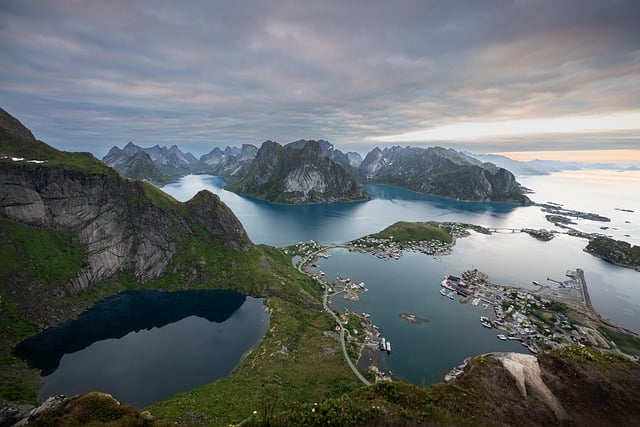
Types of Metering Modes
Modern cameras offer several metering modes to suit different shooting conditions. The main types of metering modes include:
1. Matrix (Evaluative) Metering
Matrix metering, also known as evaluative metering, divides the frame into multiple zones and evaluates the light in each zone. The camera then uses an algorithm to calculate the optimal exposure based on the overall scene. This mode is ideal for general photography as it provides a balanced exposure for most situations.
2. Center-Weighted Metering
Center-weighted metering emphasizes the light reading from the central area of the frame while giving less importance to the surrounding areas. This mode is useful when the subject is in the center of the frame, and you want to ensure it is correctly exposed, such as in portraits.
3. Spot Metering
Spot metering measures the light from a small, specific area of the frame, usually around 1-5% of the viewfinder. This mode is beneficial in high-contrast scenes where you need precise exposure control, such as in backlit situations or when photographing subjects against a bright background.
4. Partial Metering
Partial metering covers a larger area than spot metering, typically around 10-15% of the frame. It is similar to center-weighted metering but with a smaller emphasis on the central area. Partial metering is effective in moderately high-c
02

Choosing the Right Metering Mode
Choosing the correct metering mode depends on the scene and the desired outcome of the photograph. Here are some tips to help you decide:
• Matrix (Evaluative) Metering: Use this mode for general photography, landscapes, and when the scene has even lighting.
• Center-Weighted Metering: Opt for this mode when the subject is centrally placed, such as in portraits or macro photography.
• Spot Metering: Choose this mode for high-contrast scenes, backlit subjects, or when the subject occupies a small part of the frame.
• Partial Metering: Use this mode in moderately high-contrast scenes where more control is needed than what matrix metering offers..
03
Tips for Successful Metering
To get the best results from your camera’s metering system, consider the following practical tips:
1. Understand Your Scene: Analyze the lighting conditions and the contrast levels in your scene before selecting a metering mode.
2. Use Exposure Compensation: If the metering system doesn’t provide the desired exposure, use exposure compensation to adjust the brightness of your image.
3. Bracket Your Shots: Take multiple shots at different exposures to ensure you capture the best possible image, especially in challenging lighting conditions.
4. Lock Your Exposure: When using spot or partial metering, lock the exposure on the area you want correctly exposed before recomposing your shot.
5. Review Your Histogram: After taking a shot, check the histogram on your camera to ensure the exposure is balanced and adjust if necessary.
04
Conclusion: Enhancing Your Photography Journey
Understanding Camera Metering | Perfect Exposure Every Time
Camera metering is a fundamental aspect of photography that significantly impacts the quality of your images. Understanding the different metering modes and how to use them effectively can help you achieve better exposure and create stunning photographs. Whether you are a beginner or an experienced photographer, mastering camera metering will enhance your ability to capture well-exposed, detailed, and visually appealing images.