
Focusing
Master Focusing Techniques | Sharp and Clear Photography Tips
Learn how to achieve perfect focus in your photos. Explore different focusing modes, tips for portraits, landscapes, and action shots, and techniques to capture sharp, professional-looking images every time.
Focus on Your Camera
Master Focusing Techniques | Sharp and Clear Photography Tips
If you have your DSLR camera or equivalent close by, compare your camera’s Focusing Modes with the advice on this page. Remember that terms may slightly vary with each manufacturer.
Focus Modes
Master Focusing Techniques | Sharp and Clear Photography Tips
Understanding Camera Focusing Modes
Modern cameras offer a variety of focusing modes to help photographers capture sharp, detailed images in different situations. The most common modes include Single Autofocus (AF-S/One-Shot AF), Continuous Autofocus (AF-C/AI Servo AF), and Manual Focus. Single Autofocus locks onto a subject once you half-press the shutter, making it ideal for still subjects such as landscapes, portraits, or architecture. Continuous Autofocus, on the other hand, constantly adjusts focus while tracking a moving subject, which is perfect for sports, wildlife, and action photography. By knowing when to use each focusing mode, you can ensure your images stay sharp and in focus no matter the subject.
Choosing the Right Focusing Mode for Better Results
Selecting the right focusing mode can dramatically improve the quality of your photos. For example, beginners may rely on Single Autofocus for everyday shooting, while more advanced photographers use Continuous Autofocus for fast-paced moments. Manual Focus is especially useful in low-light situations, macro photography, or when precision is required, giving you full control over what part of the scene is sharp. Understanding the strengths of each focusing mode allows you to adapt quickly to changing conditions and capture professional-looking results. Whether you are photographing a fast-moving athlete or a quiet sunset, the right focusing mode helps you achieve consistently clear images.

Auto Focus (AF)
Most modern cameras offer AF, which automatically adjusts focus based on the subject’s distance from the lens. This feature is ideal for quick shots and capturing moving subjects.
01

Manual Focus (MF)
For precise control, manual focus allows photographers to adjust the focus ring on the lens manually. It’s invaluable in situations where AF may struggle, such as low light or when shooting through obstacles.
02

Single Point Focus
This technique involves selecting a single focus point in the viewfinder or LCD screen to pinpoint the exact area of focus in the frame
03
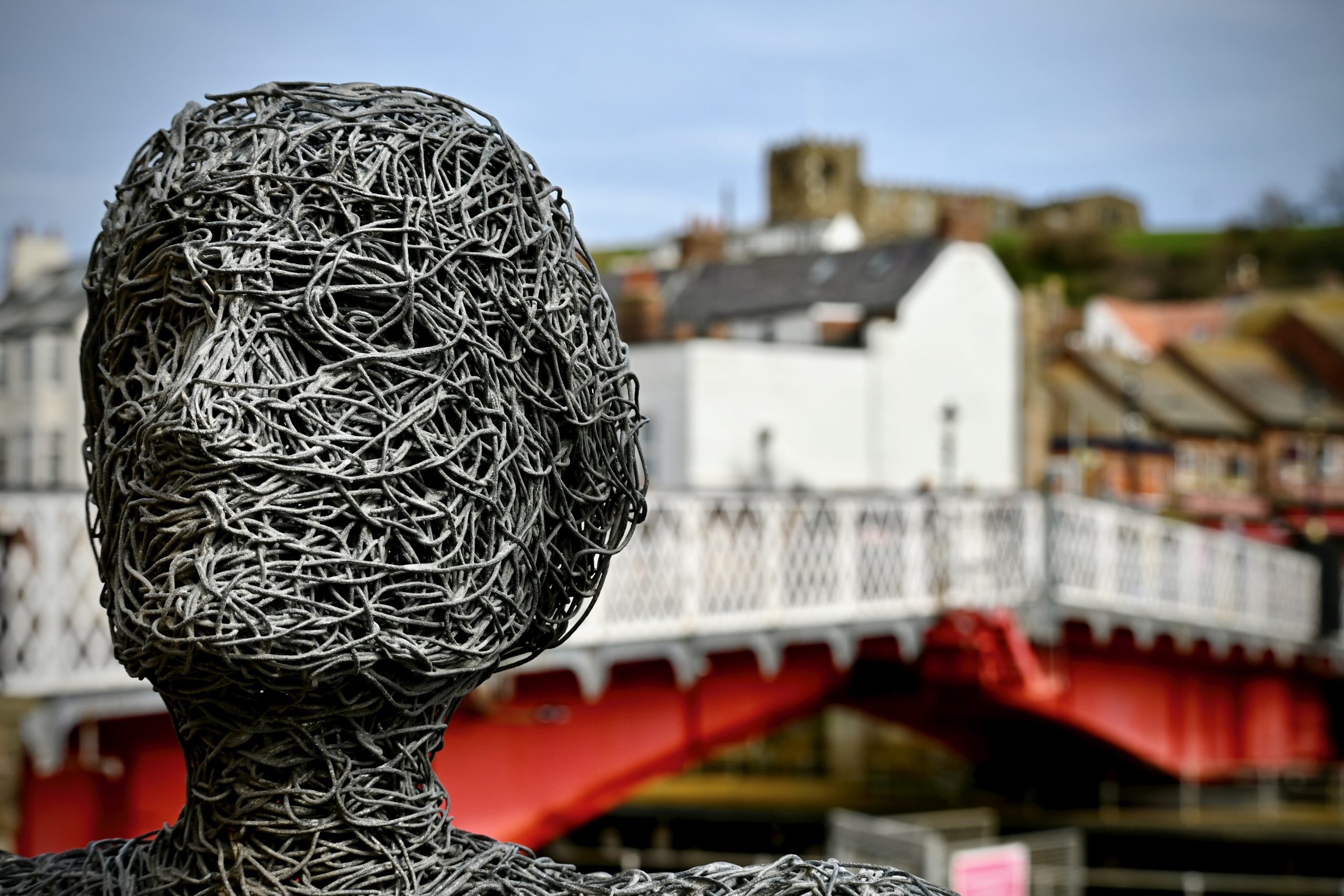
Depth of Field (DOF)
Understanding DOF helps in controlling how much of your image is in focus. A shallow DOF (large aperture like f/1.8) isolates the subject from the background, while a deep DOF (small aperture like f/16) keeps more of the scene sharp.
04
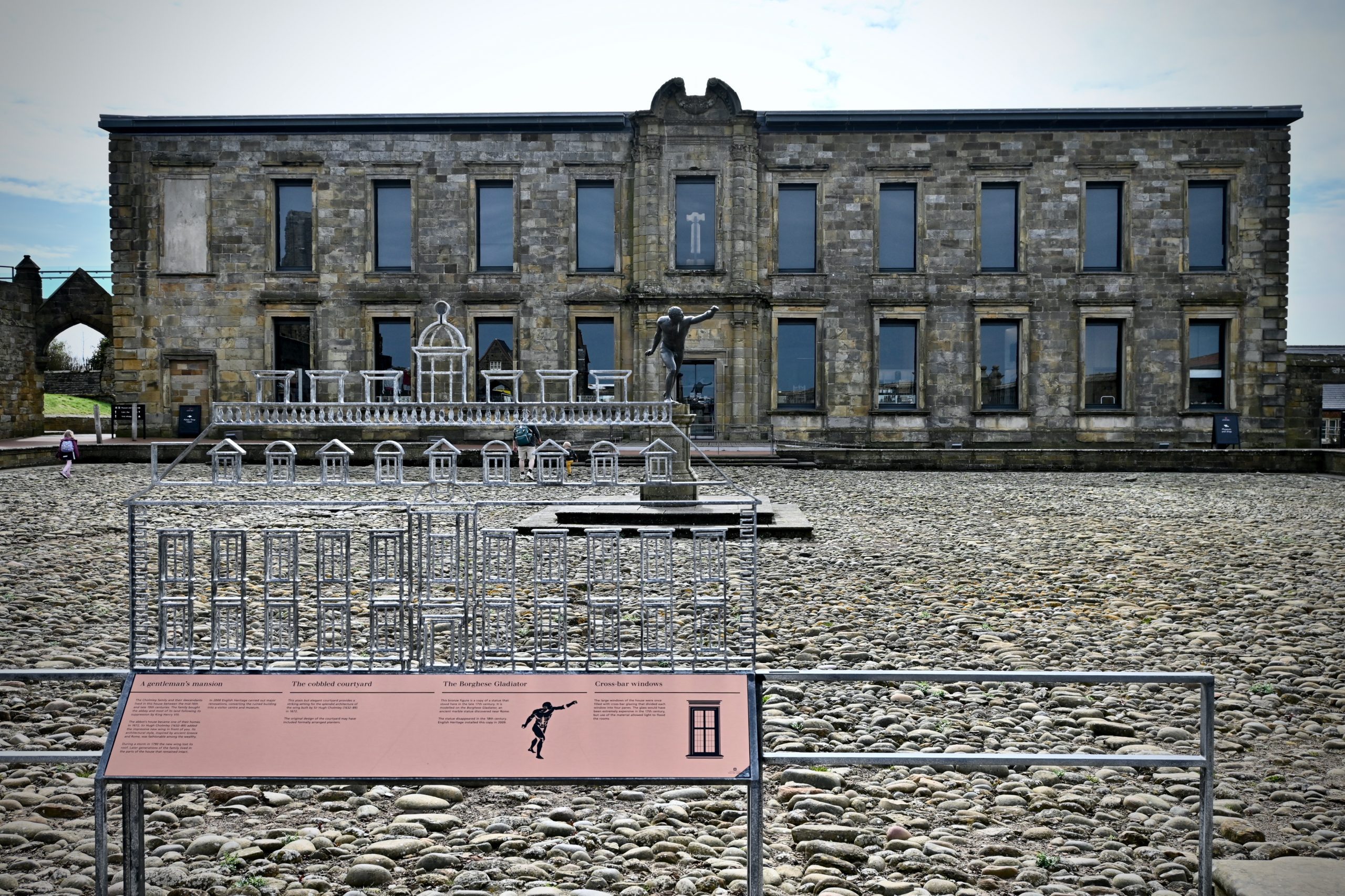
Back Button Focus
This advanced technique separates focusing from shutter release, allowing photographers to lock focus and recompose without the camera refocusing.
05
Tips for Improving Focus
1. Use a Tripod: Especially in low light or when shooting with a narrow aperture, a tripod eliminates camera shake, resulting in sharper images.
2. Pre-focus for Action Shots: Anticipate where the action will be and pre-focus your lens to capture decisive moments with precision.
3. Check Focus Magnification: Many cameras offer a feature where you can zoom in on the LCD screen to ensure critical focus, particularly useful in macro photography.
07
Conclusion: Enhancing Your Photography Journey
Master Focusing Techniques | Sharp and Clear Photography Tips
Mastering focus in photography is a journey that requires practice and understanding of your equipment. By experimenting with different techniques and understanding how to control focus effectively, you can elevate your photography to new heights. Whether you’re a beginner or an experienced photographer, focusing techniques are fundamental to creating impactful and compelling images.