
Exposure Compensation
Master Exposure Compensation | Balance Light in Your Photos
Learn how exposure compensation works in photography and when to use it. Discover tips for adjusting brightness, controlling highlights and shadows, and improving your camera shots.
Exposure Compensation on Your Camera
Master Exposure Compensation | Balance Light in Your Photos
If you have your DSLR camera or equivalent close by, compare your camera’s exposure compensation with the advice on this page. Remember that terms for camera modes may slightly vary with each manufacturer.
Exposure Compensation
Master Exposure Compensation | Balance Light in Your Photos
Understanding Exposure Compensation in Photography
Exposure compensation is a powerful camera feature that allows photographers to quickly adjust the brightness of their images without changing other core settings like aperture, shutter speed, or ISO. Most cameras tend to expose for a balanced average, which can lead to overly dark subjects in bright scenes or washed-out details in low-light conditions. By using exposure compensation, you can fine-tune the image, brightening or darkening it to achieve the perfect look. This adjustment is particularly useful in tricky lighting situations such as shooting against the sun, photographing snowy landscapes, or capturing backlit portraits.
When and How to Use Exposure Compensation
Exposure compensation is typically controlled by a simple dial or button on your camera, allowing adjustments in increments such as +1, +2, -1, or -2 stops. Increasing the value brightens your photo, while decreasing it darkens the image. For example, if you’re shooting a subject in front of a bright sky, using +1 or +2 exposure compensation can help keep the subject visible rather than appearing too dark. Conversely, in very bright conditions like snow or beach scenes, a negative adjustment prevents highlights from being blown out. Mastering exposure compensation gives you more creative control, helping you capture images that reflect the scene exactly as you envision it.
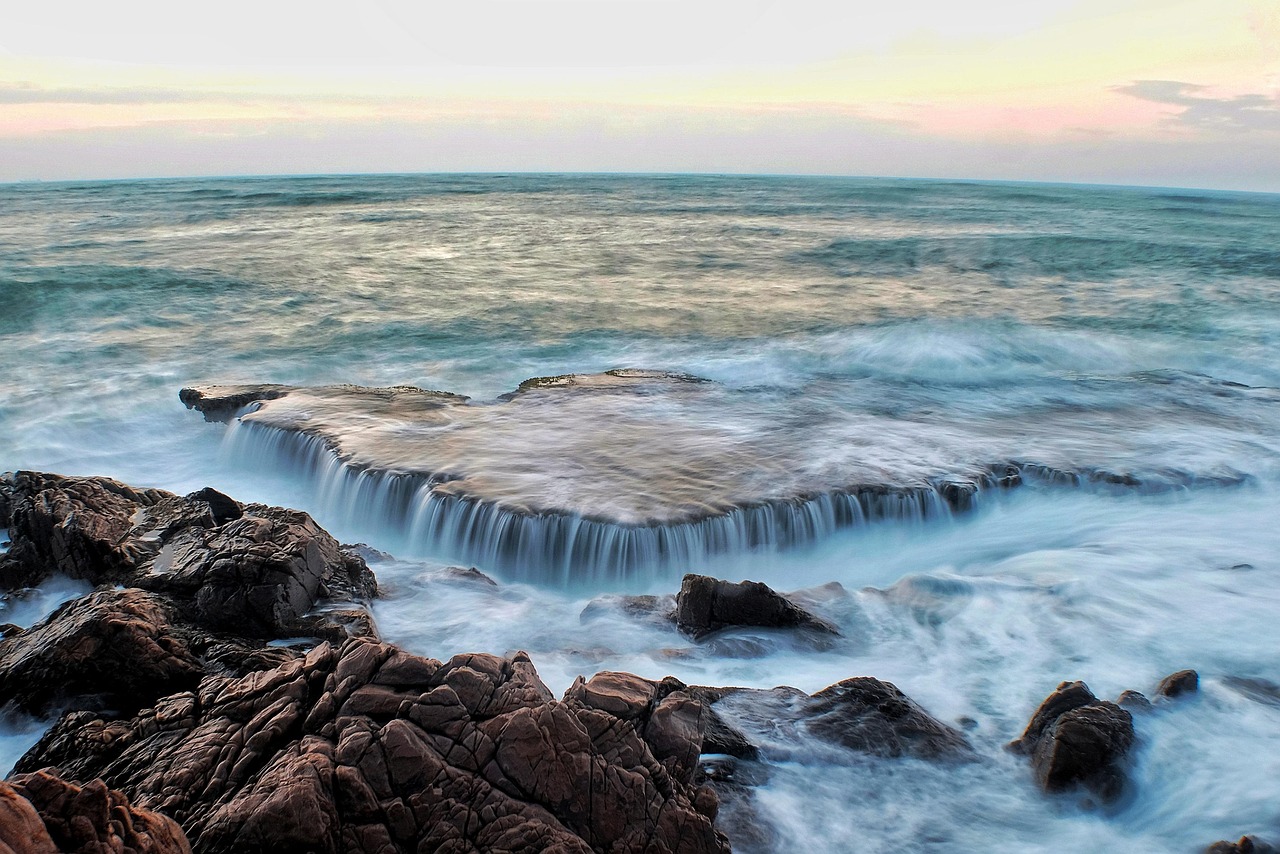
What is Exposure Compensation?
Exposure compensation refers to the technique of adjusting the exposure settings of your camera to achieve the desired brightness level for a photograph. It is particularly useful in situations where the camera’s automatic exposure settings may not accurately capture the scene as intended by the photographer. By dialling in exposure compensation, photographers can brighten or darken an image beyond what the camera’s metering system suggests.
01
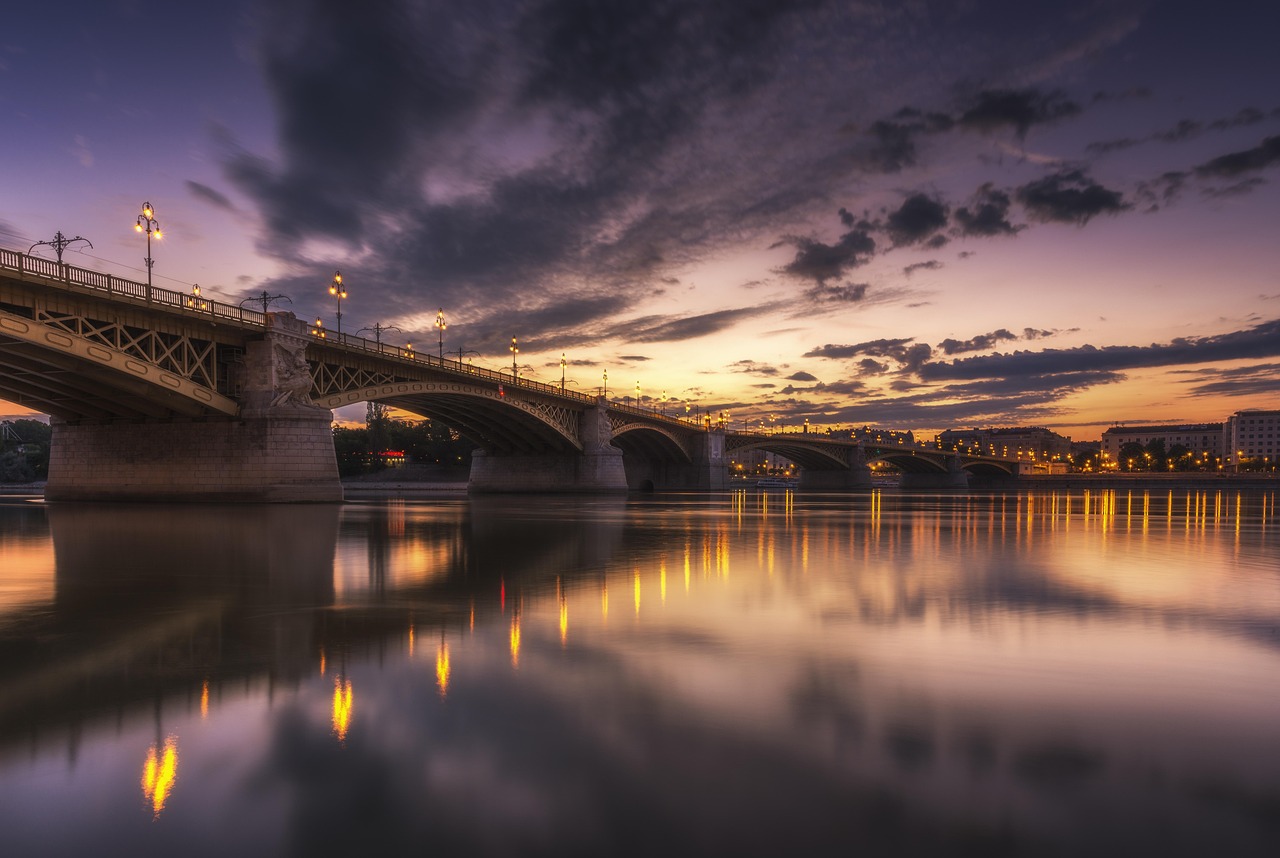
Why Exposure Compensation Matters
Photographers use exposure compensation to correct underexposed (too dark) or overexposed (too bright) images, ensuring the subjects are properly illuminated. This adjustment is essential in scenarios with challenging lighting conditions, such as high contrast scenes or backlit subjects. By fine-tuning exposure compensation, photographers can maintain detail in both shadows and highlights, resulting in more balanced and visually appealing photographs.
02
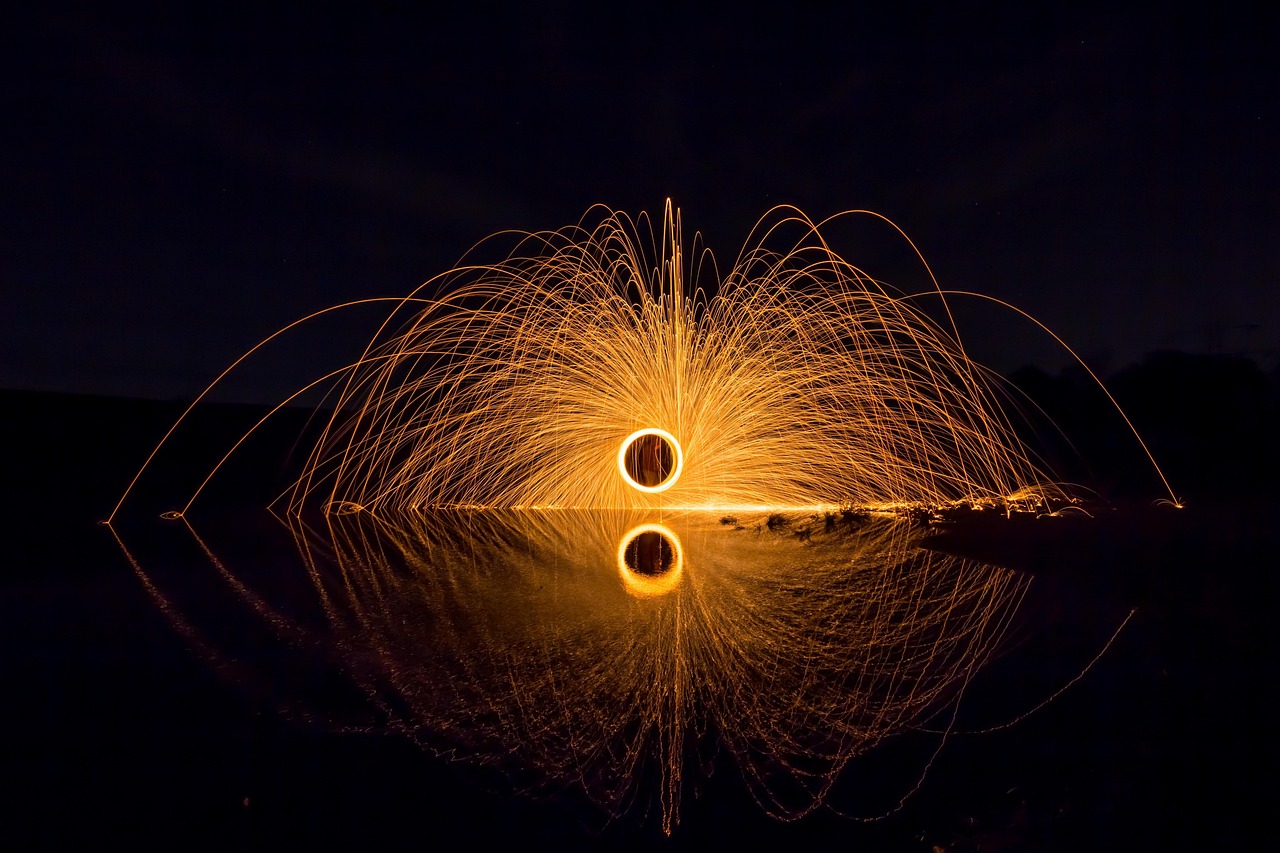
How to Use Exposure Compensation
1. Understanding Exposure Values: Exposure compensation is typically measured in stops, where each stop represents a doubling or halving of the amount of light reaching the camera sensor.
2. Manual and Semi-Automatic Modes: Exposure compensation can be adjusted in manual, aperture priority, shutter priority, or program modes, depending on your camera’s capabilities.
3. Using the Histogram: Utilise the camera’s histogram display to gauge the exposure levels accurately. A balanced histogram indicates a well-exposed image.
03
Tips for Using Exposure Compensation
• Practice Regularly: Experiment with exposure compensation in various lighting conditions to become comfortable with its application.
• Consider the Scene: Evaluate the scene’s lighting and adjust exposure compensation accordingly to highlight details and textures effectively.
• Bracketing: Combine exposure compensation with bracketing techniques to capture multiple exposures of the same scene, ensuring you have options during post-processing.
04
Conclusion: Enhancing Your Photography Journey
Master Exposure Compensation | Balance Light in Your Photos
Mastering exposure compensation empowers photographers to take control of their images, overcoming exposure challenges and enhancing creative possibilities. By understanding its principles and practicing its application, photographers can elevate their photography skills and produce captivating images in diverse lighting conditions.