Yorkshire Gardens
Beautiful Yorkshire Gardens | A Photographic Journey Through Nature
Explore stunning photographs of Yorkshire’s most enchanting gardens. From tranquil estates to colourful floral displays, discover the natural beauty, charm, and peaceful settings that make Yorkshire’s gardens so inspiring.
Garden Photography
Beautiful Yorkshire Gardens | A Photographic Journey Through Nature
Summer is officially over for sure and we are now heading deeply into autumn and winter. I always find this time of year kind of sad. I often look out for the crocus and daffodil appearing in spring and these are a strong reminder that we are heading into spring and summer. It’s along time until then however!
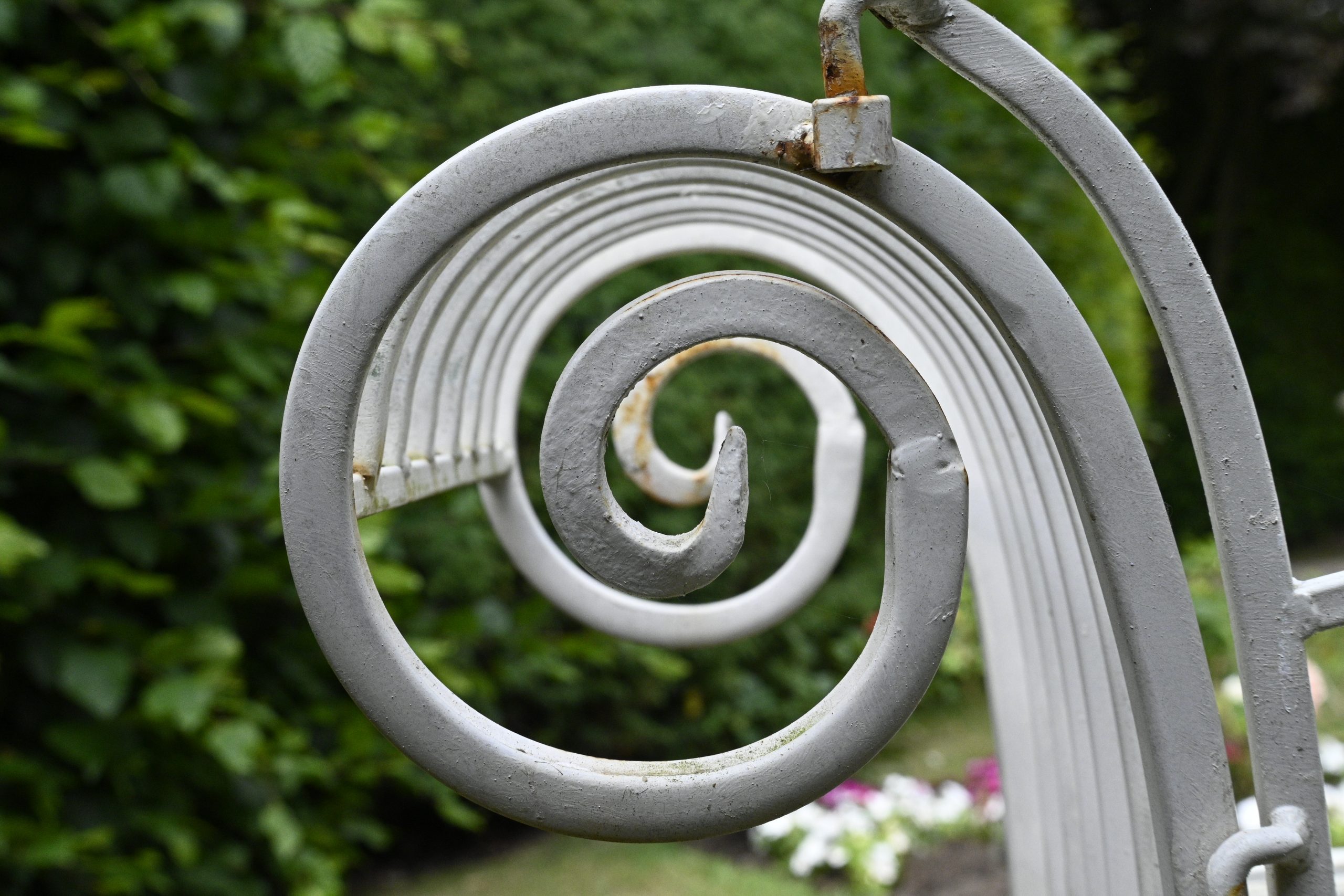
All is not lost as it an opportune time to recapture the summer with some garden photography. This is a field of photography I really enjoy because you can capture the beauty and detail of flower heads as well as garden ornaments and much more. I cannot give away the locations of the gardens but I can show you the photos!
January to April
Winter Gardening in Yorkshire – January
January in Yorkshire is a time of rest and preparation. While the days are short and frosty, it’s the perfect month to plan your garden layout, clean tools, and prune dormant fruit trees. Hardy winter plants such as hellebores, snowdrops, and witch hazel can bring early colour to borders. Gardeners can also begin sowing seeds indoors, including sweet peas and early brassicas, ready for transplanting when the soil warms.
Signs of Spring – February
By February, the first signs of life begin to appear in Yorkshire gardens. Crocuses and daffodils start pushing through the soil, brightening borders and pathways. It’s a good time to start chitting seed potatoes in a light, cool space and to plant bare-root roses or fruit bushes. Gardeners should also tidy up beds and remove old mulch to prepare for new growth. Yorkshire’s cooler climate means patience pays off, as early planting can be risky before the last frost passes.
March in the Garden – Time to Sow
March marks the real beginning of the gardening year in Yorkshire. Hardy annuals like sweet peas, nigella, and calendula can be sown under cover or directly outdoors if conditions are mild. It’s also a great time to divide clumps of perennials and start planting early vegetables such as onions, shallots, and broad beans. The longer days and rising temperatures invite gardeners back outside to refresh borders and prepare the soil for summer blooms.
April Growth and Colour
April brings fresh energy and colour to Yorkshire gardens. Tulips, primroses, and forget-me-nots burst into bloom, while fruit trees begin to blossom. It’s ideal weather for planting hardy shrubs, perennials, and early salads like lettuce and radish. As the soil warms, gardeners can sow more tender vegetables indoors and harden off seedlings ready for May planting. Regular weeding and mulching now will help keep gardens vibrant through the coming months.
May to August
May – Planting Season in Full Swing
May is one of the busiest and most rewarding months for Yorkshire gardeners. With the last frosts fading, it’s the perfect time to plant out tender vegetables such as tomatoes, courgettes, and beans. Flower borders come to life with alliums, irises, and lupins adding height and colour. Regular watering and feeding help young plants establish strong roots, while hanging baskets and containers can be filled with summer bedding for instant impact. May’s long daylight hours make it a joyful time to spend in the garden.
June – Blooms and Early Harvests
By June, Yorkshire gardens are at their most vibrant. Roses reach their first flush of colour, while herbaceous borders brim with delphiniums, foxgloves, and peonies. Early crops like lettuce, radish, and strawberries are ready to harvest, rewarding patient gardeners. It’s also a good time to sow biennials for next year’s display and to deadhead spent flowers to keep borders looking fresh. With mild evenings and lush growth, June showcases the best of Yorkshire’s natural beauty.
July – Colour and Care
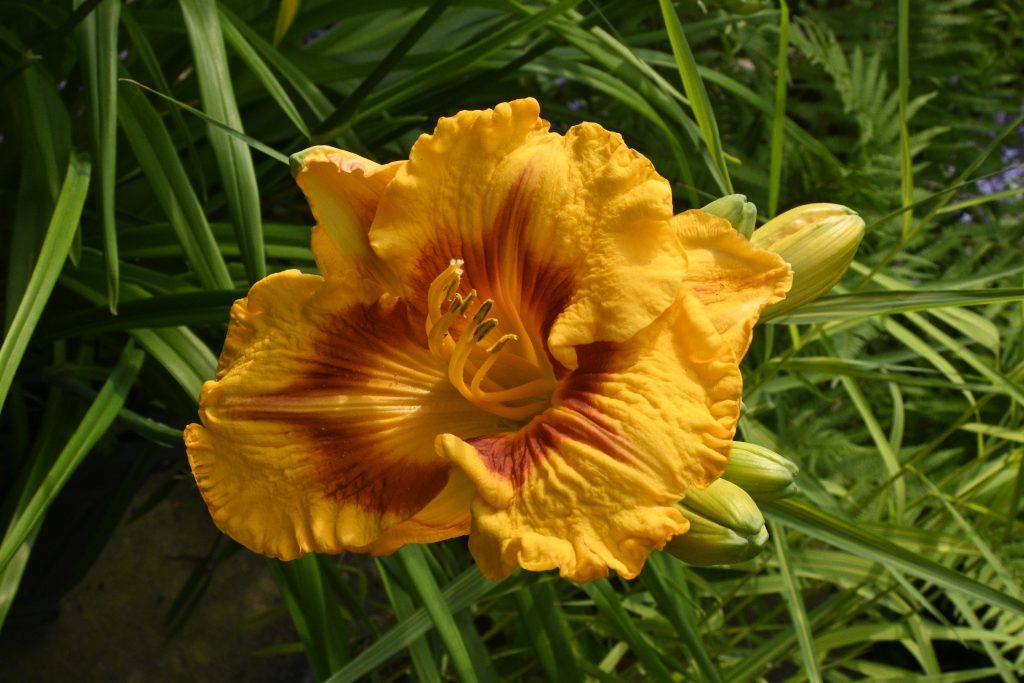
July brings warmth, long days, and rich colour across Yorkshire gardens. Dahlias, sunflowers, and daylilies thrive in full bloom, while vegetable plots overflow with beans, courgettes, and early potatoes. Watering becomes essential, especially during dry spells, and mulching helps retain soil moisture. Gardeners can enjoy peak displays while also keeping an eye on pests like aphids and slugs. With thoughtful care, July offers a month of abundant growth and colour across the region.
August – Harvest and Late Summer Beauty
August in Yorkshire is a time of abundance and relaxation. Borders are rich with colour from phlox, echinacea, and rudbeckia, while vegetable gardens offer ripe tomatoes, sweetcorn, and soft fruits. Gardeners can collect seeds from fading flowers and start planning for autumn planting. Lawns may need extra attention to recover from heat, and watering in the early morning helps conserve moisture. Late summer brings a golden glow to Yorkshire’s gardens, celebrating the full rewards of the growing season.
September to December
September – Harvest and Transition
September marks the gentle shift from summer into autumn across Yorkshire’s gardens. It’s harvest time for apples, pears, beans, and root vegetables. Late-blooming flowers like asters and sedums provide colour as temperatures cool. Gardeners can begin dividing perennials, collecting seeds, and planting spring bulbs such as daffodils and crocuses. It’s also ideal for laying new lawns or repairing patches while the soil remains warm and moist. Yorkshire’s crisp autumn air makes September a rewarding month to work outdoors.
October – Autumn Colour and Care
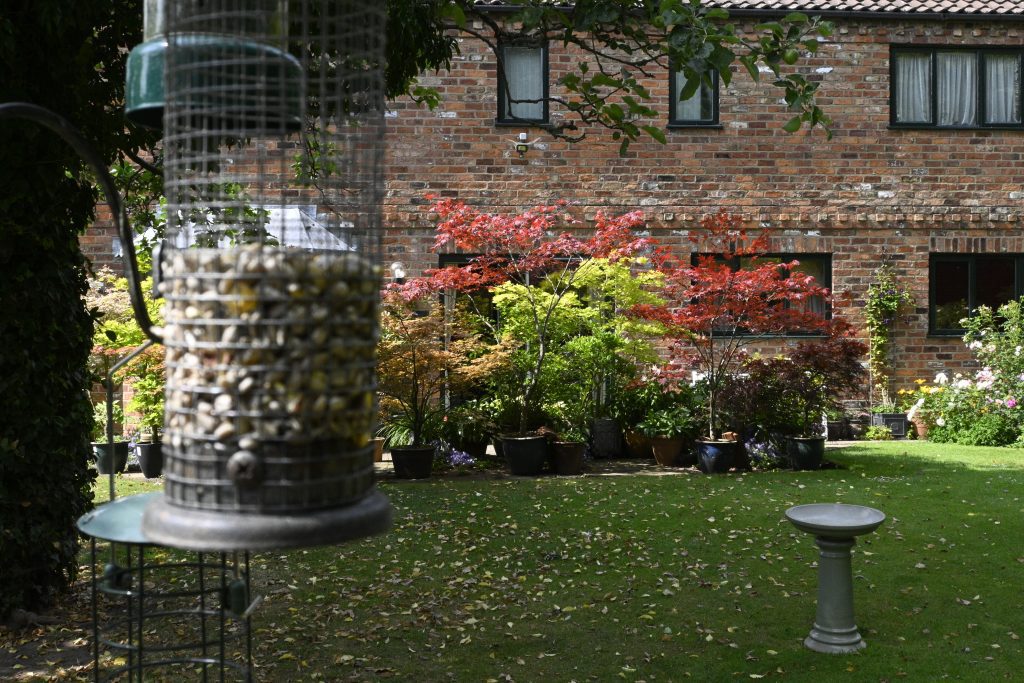
By October, Yorkshire gardens glow with deep reds, oranges, and golds. Trees like maples and acers show their best autumn colour, and it’s time to tidy beds, cut back faded growth, and add compost or mulch to nourish the soil. Hardy spring bulbs can still be planted, along with bare-root shrubs and fruit bushes. Gardeners often lift tender plants and store them safely before the first frost. October is about preparing the garden for rest while enjoying the beauty of the changing season.
November – Winter Readiness
November brings cooler temperatures and shorter days, signalling the start of the garden’s dormancy. It’s a good month for pruning roses, planting bare-root trees, and protecting delicate plants with fleece or mulch. Wildlife-friendly gardeners in Yorkshire often leave seed heads and leaf piles to provide shelter for insects and birds. Even as growth slows, the garden remains alive with subtle textures and soft winter light, offering quiet inspiration through the season.
December – Rest and Reflection
December is a peaceful time in Yorkshire gardens. Frosts glisten on lawns, and evergreen plants like holly, ivy, and boxwood provide structure and colour. Gardeners can use this month to clean tools, repair fences, and plan next year’s planting schemes. It’s also a time to appreciate the stillness and beauty of winter landscapes. With thoughtful preparation and a little care, Yorkshire gardens rest beneath the cold, ready to burst back to life when spring returns.
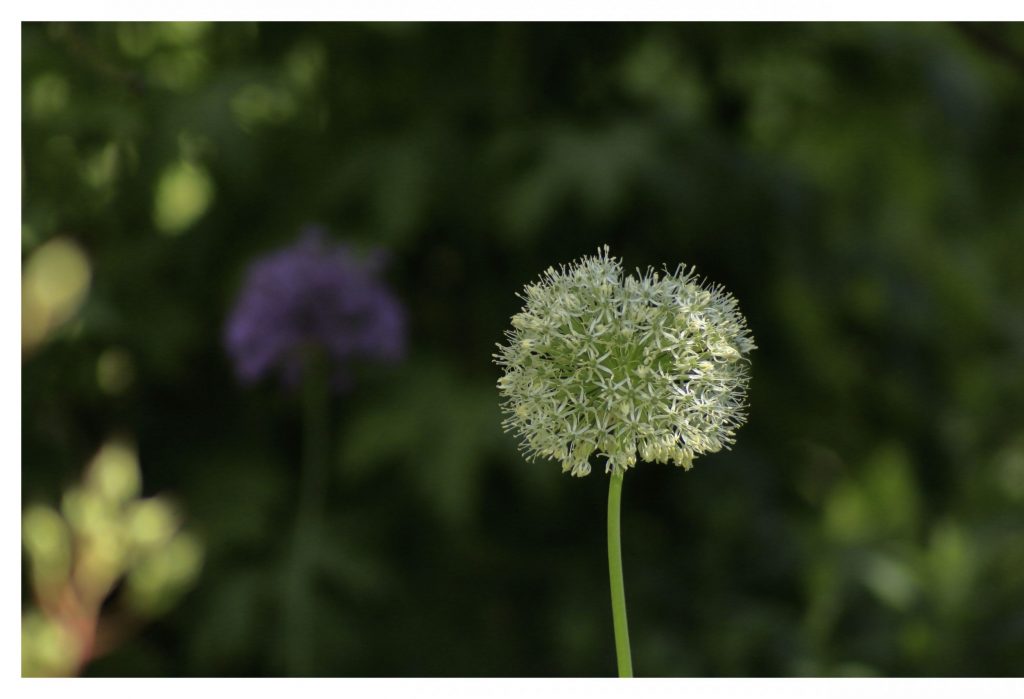
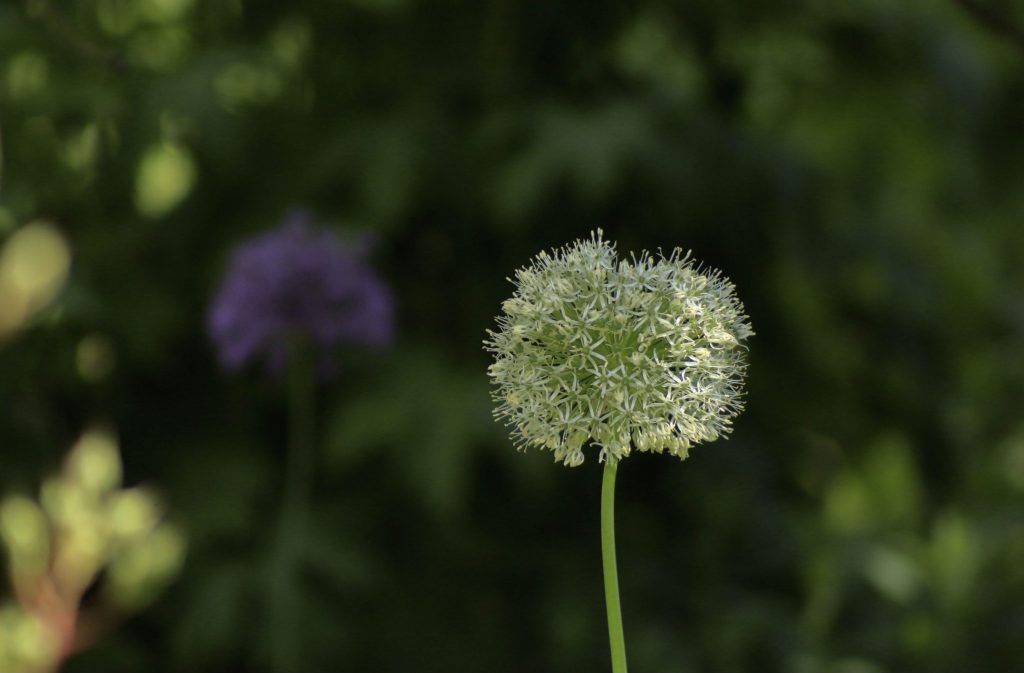
Allium
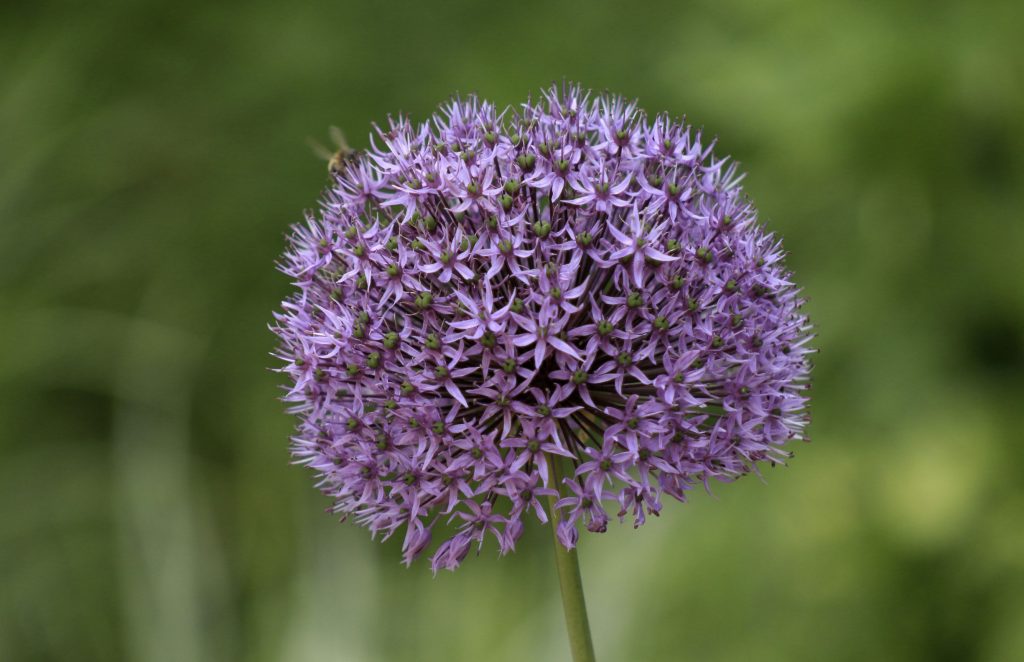
Alliums are striking ornamental onions that add height, structure, and vibrant colour to Yorkshire gardens. Blooming in late spring and early summer, their globe-shaped purple, pink, or white flowers stand tall above lush green foliage. Easy to grow and loved by bees, alliums thrive in sunny borders with well-drained soil. These bold, architectural blooms create a stunning display when planted in groups, adding elegance and drama to any garden design. They are a personal favourite of mine and I often call them “slow motion fireworks” owing to their colour exploding outwards into a sphere and fading out!
Geranium
Geranium
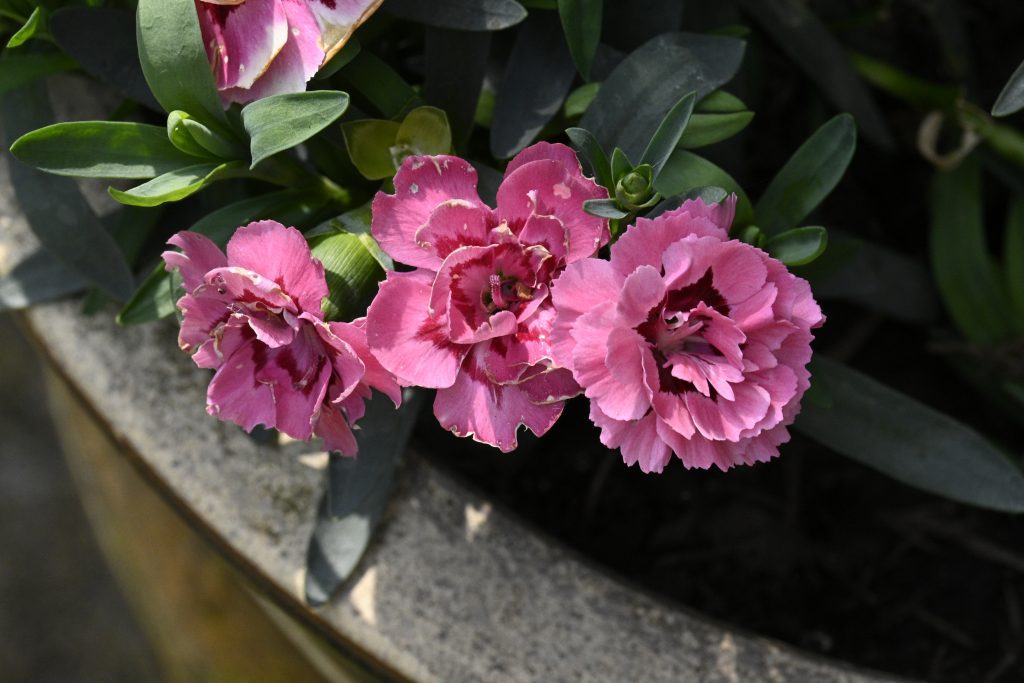
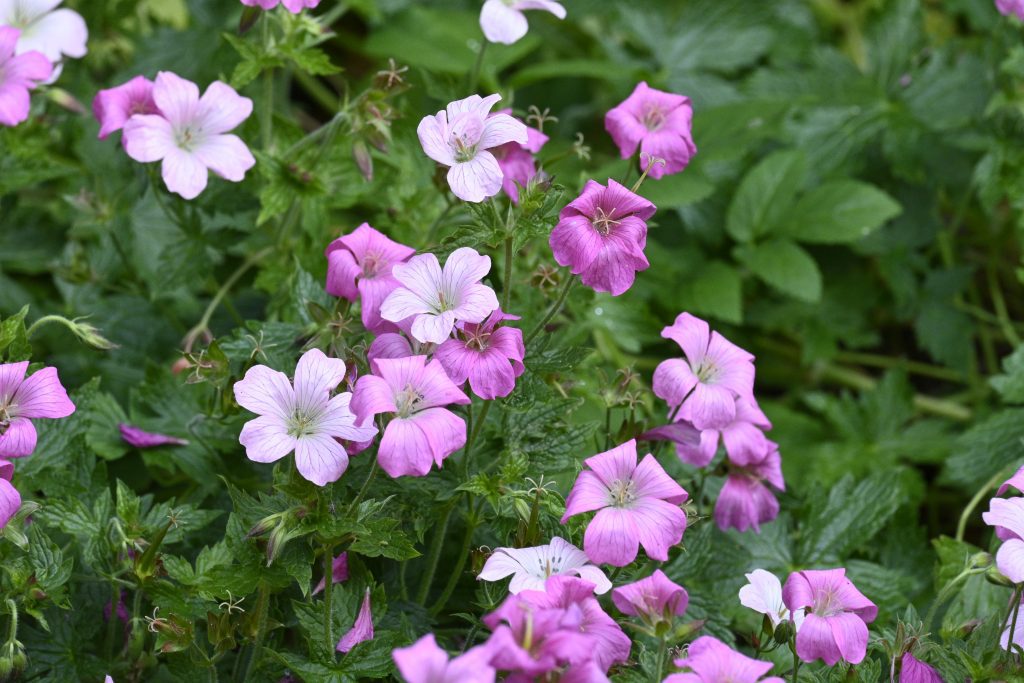
Geraniums are versatile and long-flowering plants that bring vibrant colour to Yorkshire gardens from late spring through autumn. With their rich pink, purple, and blue blooms, hardy geraniums thrive in borders, rock gardens, and containers. They’re easy to grow, drought-tolerant, and attract pollinators such as bees and butterflies. Perfect for adding a natural cottage-garden charm, geraniums provide months of colour and require minimal maintenance, making them a favourite choice for gardeners across Yorkshire.
Clematis
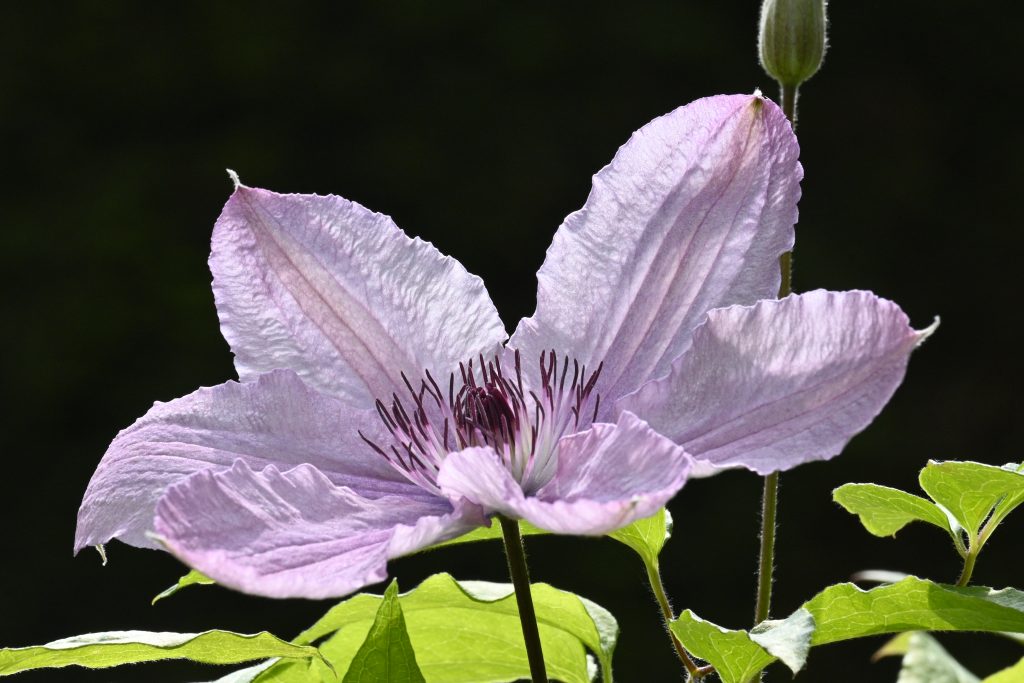
Clematis are beautiful climbing plants that bring vertical colour and charm to Yorkshire gardens. Blooming from spring through late summer, they produce stunning flowers in shades of purple, pink, white, and blue. Ideal for fences, trellises, and archways, clematis thrive in sunny or partially shaded spots with their roots kept cool and moist. Easy to grow and endlessly varied, these classic climbers add elegance and height to any garden design, creating a spectacular seasonal display.
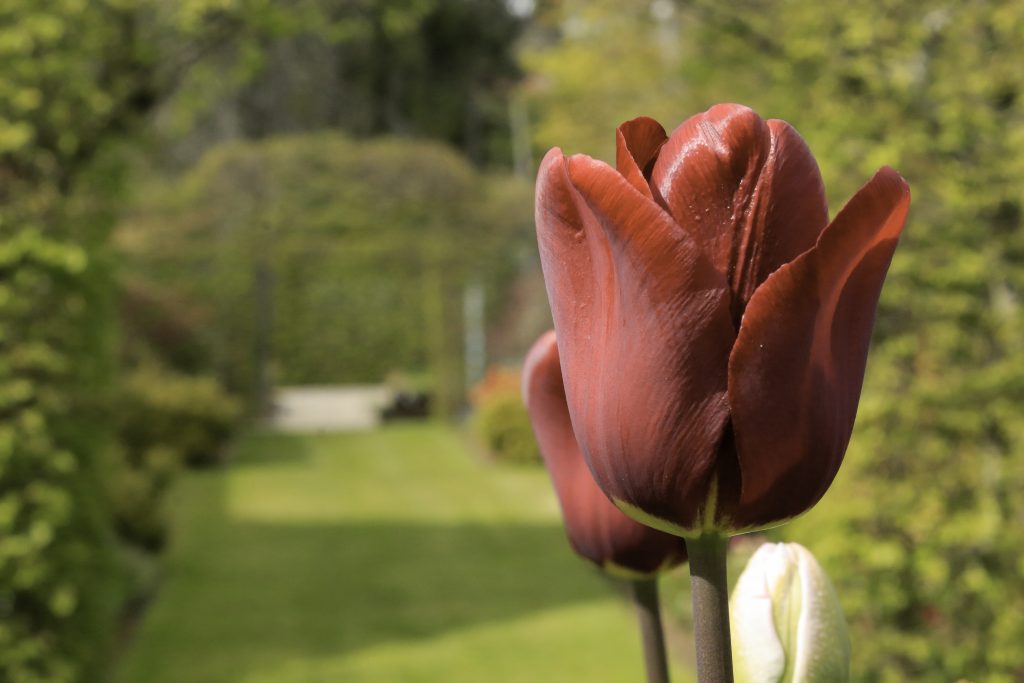
Tulips
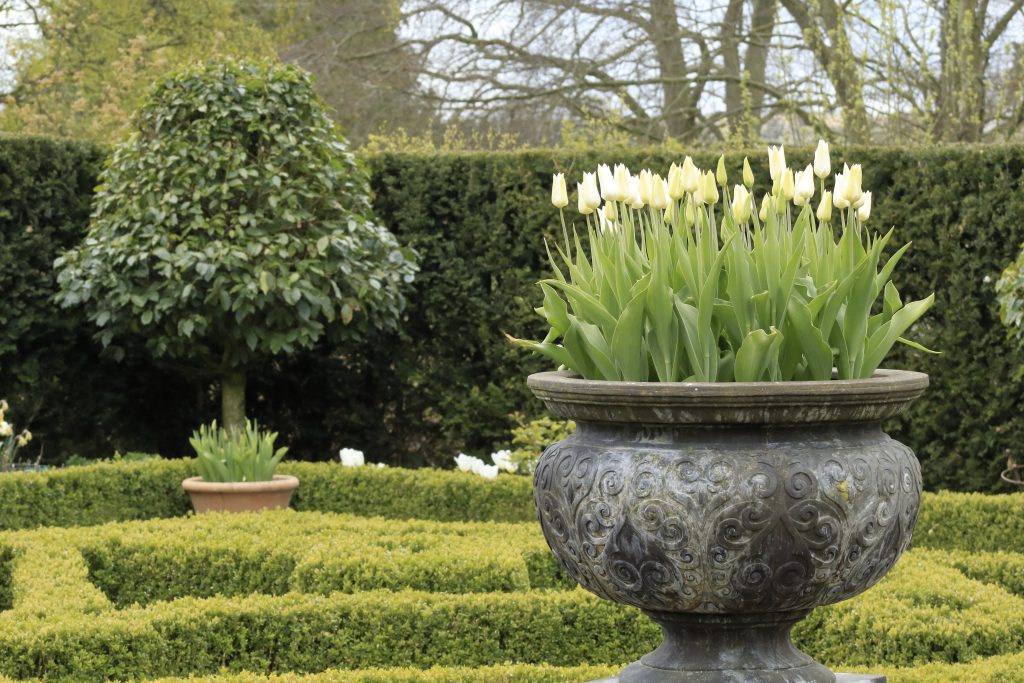
Tulips are iconic spring bulbs that bring vibrant colour and elegance to Yorkshire gardens. Blooming in a wide range of shades from red and pink to yellow and purple, they thrive in well-drained soil and sunny positions. Tulips are perfect for borders, containers, and formal displays, creating striking patterns when planted in groups. Easy to grow and low-maintenance, these cheerful flowers herald the arrival of spring and add lasting beauty to any garden.
Personal Favourites
Beautiful Yorkshire Gardens | A Photographic Journey Through Nature
I have a number of favourites from Allium to Mountain Ash when they are fully loaded with berries.
Cyclamen
Cyclamen are charming flowering plants that bring colour to Yorkshire gardens through the cooler months. With their delicate, upswept petals in shades of pink, red, and white, they thrive in shaded spots beneath trees or along woodland borders. Hardy cyclamen varieties bloom from autumn to early spring, offering vibrant contrast when little else is in flower. Easy to grow and low-maintenance, cyclamen are perfect for adding year-round interest and natural beauty to garden displays.
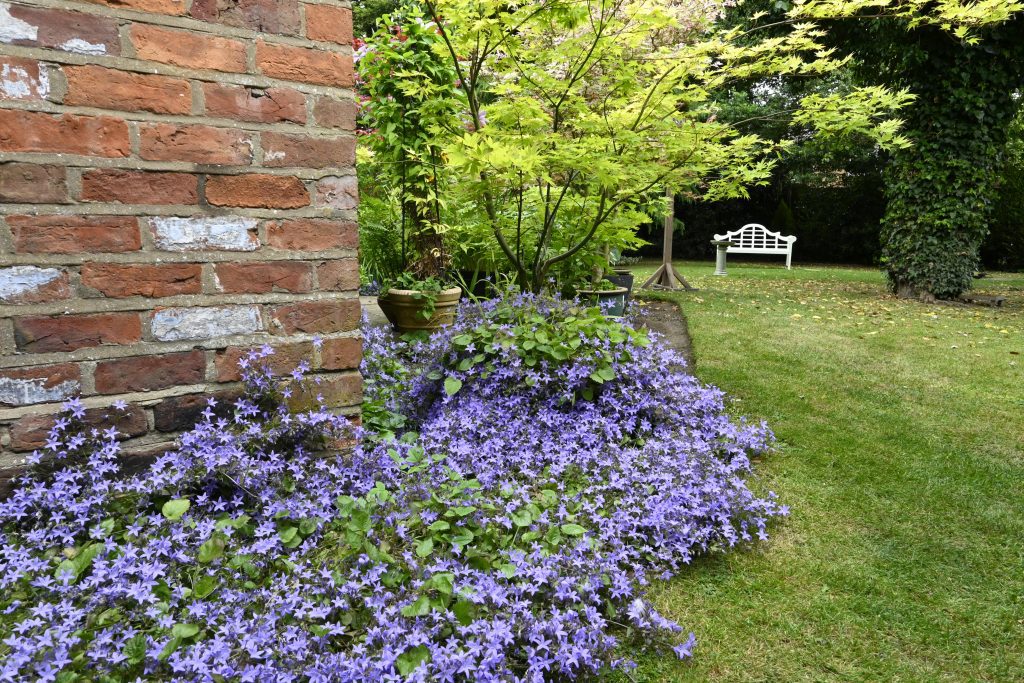
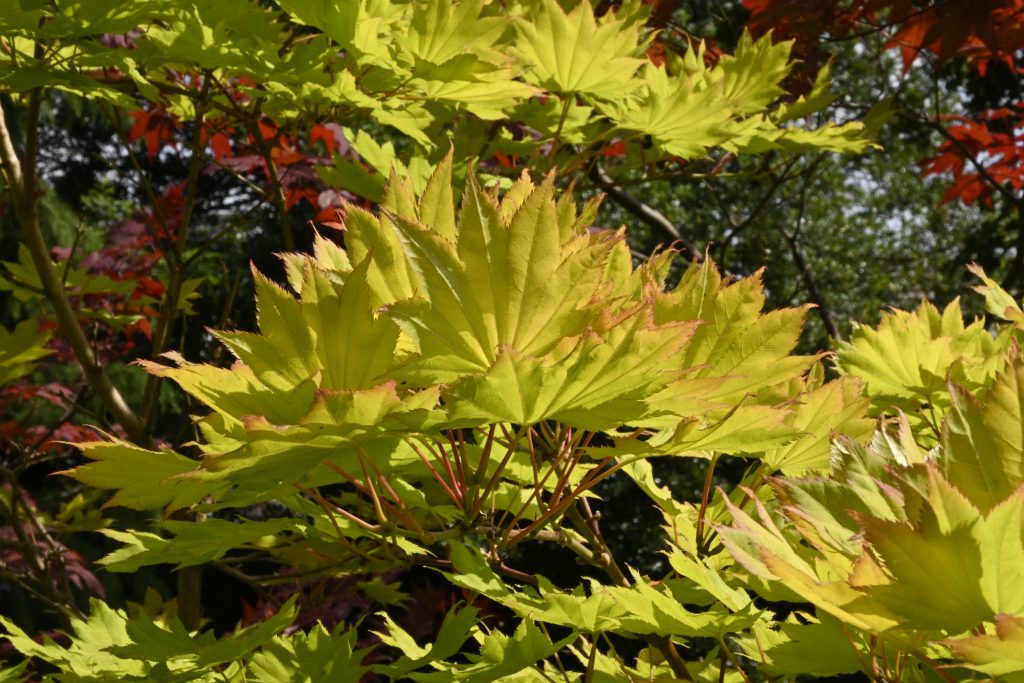
Japanese Acers
Japanese acers bring elegance, colour, and structure to Yorkshire gardens. Known for their graceful, finely cut leaves and stunning seasonal colour, these small ornamental trees create year-round interest. From vibrant spring greens to fiery autumn reds, acers thrive in sheltered, partially shaded spots with moist, well-drained soil. Perfect for borders, containers, or Japanese-style gardens, Japanese acers add a touch of tranquillity and sophistication to any outdoor space.
Garden Photography
Capturing the beauty of Yorkshire gardens requires a few key photography tips. Use natural light, especially in the early morning or late afternoon, to highlight colours and textures without harsh shadows. Focus on composition by framing plants, flowers, and pathways creatively, and experiment with angles to add depth and interest. Close-up shots of blooms, like tulips, alliums, or clematis, can reveal intricate details, while wider shots showcase the overall layout of the garden. With patience and careful observation, garden photography can bring the vibrancy and charm of every season to life.