

The Rebellion in Eden
Rebellion in Eden: How Humanity’s Future Changed
Discover what happened during the rebellion in Eden, when Satan deceived Adam and Eve and brought sin into the world. Learn how this pivotal moment affected humanity, what the Bible reveals about it, and how God’s promise of redemption began right at mankind’s beginning.
1. Understanding the Beginning of the Rebellion in Eden
The rebellion in the Garden of Eden began with doubt. Satan questioned God’s command and attempted to twist the truth. He spoke through the serpent. His goal was to influence Adam and Eve. They had everything they needed. They lived in a perfect paradise. Yet Satan used temptation to create dissatisfaction.
A Clear Command
The Bible says God gave Adam and Eve a clear command. They could eat from every tree except one. This rule tested their loyalty. It showed whether they respected God’s authority. Satan therefore targeted the one boundary placed in Eden.
2. How Satan Introduced His Deception
Satan started his rebellion by creating confusion. He asked Eve, “Did God really say…?” This created doubt. Then he contradicted God’s words. He claimed they would not die. Instead, he promised knowledge and power.
Satan Acts Subtly
This method was subtle. It appealed to human desire. He offered something that looked valuable. It suggested independence from God. Eve listened. She then believed the lies. Adam later joined in, even though he knew what God commanded.
3. Why Adam and Eve Chose to Disobey
Adam and Eve had free will. That was important. God did not force obedience. Obeying freely showed true love. Disobedience showed self-interest.
Desire to the Eyes
Eve saw the fruit. It appeared desirable. She imagined gaining wisdom. She then ate and gave some to Adam. Adam accepted it. He chose to join Eve. He failed to exercise leadership. And he ignored God’s warning.
Their choice was intentional. It was not accidental. They could have walked away. They could have asked God for help. Instead, they trusted their own judgment.
4. The Moment the Rebellion Became Real
The rebellion became complete after they ate the fruit. Their eyes opened. They felt guilt. They felt shame. They realized their disobedience. They hid from God. This reaction showed spiritual separation.

Perfection Before Rebellion
Before disobedience, they felt peace. They lived without fear. Afterward, they experienced internal conflict. Their relationship with God changed instantly. That moment introduced sin into human life.
5. How the Garden of Eden Was Affected
The Garden itself changed. Paradise was no longer perfect. God confronted Adam, Eve, and Satan. He explained the consequences. Pain entered human life. Work became difficult. Creation fell into disorder.
Judgment for Man and Serpent
The serpent received judgment. Eve would face childbirth pain. Adam would struggle to provide food. The ground produced thorns. Their perfect life ended. Yet God still showed mercy. He provided clothing. He promised a future victory over Satan.
6. God’s Promise After the Rebellion
Even though rebellion occurred, God offered hope. He promised a future descendant. This descendant would crush Satan’s influence. Many believe this pointed to Jesus Christ.
Mankind Never Abandoned
This promise showed God’s love early. He did not abandon humanity. Instead, He introduced a path to restoration. This helped reveal His patience and compassion.
7. Why This Event Matters Today
The rebellion in Eden still affects human life. People struggle with temptation. They face choices. They wrestle with pride and desire. The pattern remains the same.
Rely on Truth and Obedience
Yet there is guidance available. God’s promises remain. The rebellion reminds people to rely on truth. It shows the danger of going against God’s instructions. And it encourages faith, humility, and obedience.
The rebellion began with doubt. It continued with desire. And it led to disobedience. Yet God responded with hope. That message still benefits readers today.
Alienated From God
Rebellion in Eden: How Humanity’s Future Changed
8. How Mankind Became Alienated from God
When Adam and Eve sinned, alienation immediately began. Their relationship with God was no longer close. Before the rebellion, mankind walked in harmony with their Creator. After sin, fear replaced confidence. They hid instead of speaking openly with Him. This separation was spiritual. It affected their thinking, desires, and behavior. Humanity lost its original purity. Because of this, people became distant from God’s presence.
Sin Spread to All Men
This alienation did not stop with Adam and Eve. It passed to their children. Every generation experienced the same gap. People were born with a flawed nature. Sin became part of human identity. As time continued, mankind drifted further from God’s standards. This separation created confusion, selfishness, and spiritual blindness.
9. How Sin and Death Spread to All People
After the rebellion, death entered human existence. Physical death was not immediate. However, the process began. Their bodies became weak. They eventually died. More significantly, spiritual death occurred at once. The bond with God was broken. And that brokenness spread to all humanity.
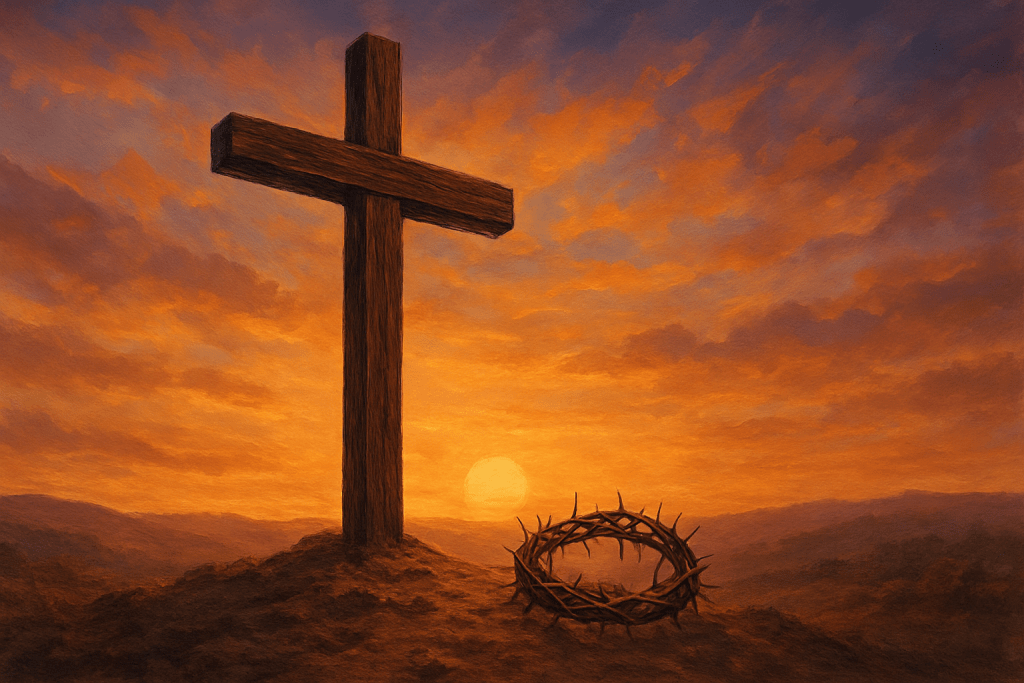
Sin Brings Aging and Death
Every person inherited this condition. People began committing their own sins. Wrong thoughts, attitudes, and actions continued. Death affected both body and soul. Generation after generation faced suffering, sickness, and sorrow. Eventually, everyone returned to the dust. This reality proves how deeply sin affected the human race.
Everyday Struggles
Furthermore, sin influenced the world itself. The earth no longer produced freely. Life became laborious. Creation groaned under disorder. Evil multiplied. People turned against each other. Violence filled societies. All these results began in Eden.
10. How Jesus’ Sacrifice Restored Hope
Although sin caused separation, God provided a way back. Jesus entered the world to solve this problem. His mission was redemption. He lived without sin. His obedience reversed Adam’s failure. Jesus offered Himself willingly. His death became a legal payment for sin.
Atoning for All Our Sins
Through His sacrifice, He removed guilt for those who believe. His blood atoned for wrongdoing. His resurrection defeated death. Because He rose, believers can receive eternal life. His sacrifice restored access to God.
We Need to Believe
However, forgiveness is not automatic. People must respond with faith. They must repent, turning away from wrongdoing. When they confess sincere belief, they can be cleansed. God then views them through Christ’s righteousness. The alienation ends. They are reconciled with God again.
A New Personality
Jesus created a new beginning. Because of Him, spiritual blindness can be removed. The heart can change. People can live differently. His sacrifice offers peace, healing, and everlasting hope.
11. Why the Restored Relationship Matters Today
Today, repentance still brings restoration. Many feel distant from God. They experience guilt, fear, and inner emptiness. However, Jesus provides access to peace. His sacrifice opens the door to forgiveness. Anyone who trusts Him can experience spiritual renewal.
Praying Through Jesus Name
This restored relationship allows communication with God. Life gains purpose, guidance, and comfort. While sin once separated humanity, redemption reconnected mankind with their Creator. The rebellion brought death, but Christ brings life.
We Can Draw Close to God
This truth offers meaning for every generation. It encourages faith, obedience, and gratitude. And it reminds the world that God never abandoned His creation. Through Jesus, reconciliation remains available today.

What Must We Do Today?
Rebellion in Eden: How Humanity’s Future Changed
12. What We Must Do Today to Remain in God’s Favour
To remain in God’s favour today, people must respond with faith, obedience, and repentance. God calls individuals to turn away from harmful actions and seek His guidance. This involves acknowledging personal sin and accepting His provision through Jesus Christ. The Bible reminds us that repentance leads to spiritual cleansing. In Acts 3:19 (WEB) we read, “Repent therefore, and turn again, that your sins may be blotted out.”
Actions Speak Louder than Words
Furthermore, faith must be active. It requires trust in God’s promises and a life shaped by His teachings. Jesus said that true devotion includes keeping His word. In John 14:23 (WEB) He declared, “If a man loves me, he will keep my word… and we will come to him.” This verse shows that obedience is not burdensome. Instead, it demonstrates genuine love and loyalty.
Prayer is Vital
Prayer also strengthens our relationship with God. It creates daily communication and builds spiritual confidence. Through prayer, people seek strength, wisdom, and forgiveness. The Bible encourages continuous prayerful living. In 1 Thessalonians 5:17–18 (WEB) Paul says, “Pray without ceasing. In everything give thanks.” Gratitude and prayer help keep the heart aligned with God’s will.
In addition, Christian morality reflects God’s favour. This means practicing honesty, kindness, love, and humility. The Bible states that transformed actions reveal true change. James 2:17 (WEB) teaches, “Faith, if it has no works, is dead in itself.” Good works are evidence of a renewed life. They do not earn salvation. Instead, they confirm that faith is genuine.
Strong Faith
Finally, belief in Jesus remains central to God’s approval. Salvation comes through Him alone. John 3:16 (WEB) states, “For God so loved the world, that he gave his one and only Son, that whoever believes in him should not perish, but have eternal life.” This promise shows that faith brings everlasting hope.
In Summary
To summarise, remaining in God’s favour today involves repentance, obedience, prayer, and active faith. It requires believing in Jesus’ sacrifice and living according to His teachings. When individuals do this, their relationship with God becomes strong, peaceful, and secure. Although humanity once faced separation due to sin, today anyone can experience reconciliation and walk confidently within God’s favour.

Satan’s Works Undone
Rebellion in Eden: How Humanity’s Future Changed
13. The Hope of the Resurrection on the Last Day
The resurrection on the last day forms one of the core promises from God. Jesus clearly stated that all those in the memorial tombs will hear His voice. However, they will not simply awaken to uncertainty. Rather, they will rise to a life where God’s righteous standards prevail. In John 5:28–29 (WEB) Jesus said: “Do not marvel at this, for the hour comes, in which all that are in the tombs will hear his voice.” This promise shows that life continues beyond death.
Moreover, this resurrection includes people once unaware of God’s purpose. Many never knew truth clearly during their lifetime. Yet, at that time, understanding will be full and accurate. Transitioning into renewed life means they will have the opportunity to learn God’s ways. Therefore, the resurrection restores life, dignity, and hope. It demonstrates that death is temporary. It proves that God has a purpose beyond the grave and that His original design for humans still stands.
14. Judgment on the Last Day
The Bible teaches that resurrection leads into a period of judgment. This is not immediate condemnation. Instead, judgment is based on actions taken after gaining full knowledge. In Revelation 20:12 (WEB) we read: “The dead were judged out of the things which were written in the books, according to their deeds.” Judgment involves fairness and opportunity.
Furthermore, God has appointed Jesus as the Judge. His judgment is perfectly balanced with mercy. Therefore, no one will face injustice. Jesus Himself reassured that His judgment reflects His Father’s will. God examines hearts, motives, and choices. People will receive abundant guidance. They will learn truth in a peaceful environment. However, those who continue refusing righteousness may face permanent consequences. Therefore, judgment is not harsh—it is equitable and restorative.
15. Eternal Life on a Paradise Earth
After judgment, faithful mankind will receive eternal life. God’s original intention for the earth was perfection. Eden demonstrated harmony, health, beauty, and joy. The Bible confirms that God will complete this plan. In Psalm 37:29 (WEB) we read: “The righteous shall inherit the land, and live in it forever.” This promise refers to everlasting life on earth.
Additionally, life on the renewed earth includes peace, stability, and physical renewal. People will no longer grow old or die. There will be no sickness, suffering, or sorrow. Perfect life will replace pain and fear. Earth will become hospitable, fertile, and joyful again. Revelation 21:4 (WEB) promises: “Death will be no more; neither will there be mourning, nor crying, nor pain, any more.” Those faithful to God will rejoice in secure family life.
Finally, eternal life continues God’s purpose from the beginning. Humans will work with meaning, worship sincerely, and enjoy creation without corruption. The cycle of sin will be broken completely. God’s presence will bring unending peace. Life on a paradise earth becomes not only hopeful—but guaranteed for those who remain loyal to Him.

Useful Links
Rebellion in Eden: How Humanity’s Future Changed
Useful Scriptures
Rebellion in Eden: How Humanity’s Future Changed
1. Scriptures About the Rebellion of Adam and Eve
Genesis 2:16–17 (WEB)
“Yahweh God commanded the man, saying, ‘Of every tree of the garden you may freely eat; but of the tree of the knowledge of good and evil, you shall not eat of it; for in the day that you eat of it, you will surely die.’”
Genesis 3:1 (WEB)
“Now the serpent was more subtle than any animal of the field which Yahweh God had made. He said to the woman, ‘Has God really said, You shall not eat of any tree of the garden?’”
Genesis 3:6 (WEB)
“When the woman saw that the tree was good for food, and that it was a delight to the eyes… she took of its fruit, and ate; and she gave some to her husband with her, and he ate.”
Genesis 3:17–19 (WEB)
“…cursed is the ground for your sake… by the sweat of your face will you eat bread, until you return to the ground…”
2. Scriptures About the Effects on Humanity Today
Romans 5:12 (WEB)
“Therefore as sin entered into the world through one man, and death through sin; so death passed to all men, because all sinned.”
Romans 3:23 (WEB)
“For all have sinned, and fall short of the glory of God.”
Ecclesiastes 7:20 (WEB)
“Surely there is not a righteous man on earth, who does good and doesn’t sin.”
1 Corinthians 15:22 (WEB)
“For as in Adam all die, so also in Christ all will be made alive.”
3. Scriptures About the Ransom Sacrifice of Jesus Christ
Matthew 20:28 (WEB)
“Even as the Son of Man came… to give his life as a ransom for many.”
1 Timothy 2:5–6 (WEB)
“There is one God, and one mediator between God and men, the man Christ Jesus, who gave himself as a ransom for all…”
Romans 6:23 (WEB)
“For the wages of sin is death, but the free gift of God is eternal life in Christ Jesus our Lord.”
1 John 1:7 (WEB)
“…the blood of Jesus Christ, his Son, cleanses us from all sin.”
John 3:16 (WEB)
“For God so loved the world, that he gave his one and only Son, that whoever believes in him should not perish, but have eternal life.”
4. Scriptures About Obeying God
John 14:23 (WEB)
“If a man loves me, he will keep my word.”
James 1:22 (WEB)
“But be doers of the word, and not only hearers, deluding your own selves.”
Deuteronomy 10:12–13 (WEB)
“…what does Yahweh your God require of you, but to fear Yahweh… to walk in all his ways, and to love him… and to keep Yahweh’s commands…”
1 Samuel 15:22 (WEB)
“Behold, to obey is better than sacrifice…”
5. Scriptures About How We Should Live Today
Romans 12:2 (WEB)
“Don’t be conformed to this world, but be transformed by the renewing of your mind…”
Micah 6:8 (WEB)
“…to act justly, to love mercy, and to walk humbly with your God.”
Ephesians 4:32 (WEB)
“Be kind to one another, tenderhearted, forgiving each other, just as God also in Christ forgave you.”
Colossians 3:12–13 (WEB)
“…put on a heart of compassion, kindness, lowliness, humility, and perseverance… forgiving each other…”
1 Peter 1:15–16 (WEB)
“But just as he who called you is holy, you yourselves also be holy… ‘You shall be holy; for I am holy.’”