
Why We Can Trust the Bible: Evidence That Strengthens Faith
Why We Can Trust the Bible: Evidence, Prophecy & Accuracy
1. What Makes the Bible Historically Reliable?
The Bible provides detailed historical records. These records match known facts. Archaeology supports many of its claims. For example, the discovery of the Hittite nation confirmed biblical references. This supports the accuracy of Scripture.

Moreover, the Bible often names real rulers and real places. Luke wrote, “There went out a decree from Caesar Augustus” (Luke 2:1). This aligns with Roman history. Likewise, the Bible mentions Pontius Pilate. Archaeologists found his name on a stone in Caesarea. This discovery affirms the Gospel accounts.
Because the Bible fits real history, we can trust its message.
2. How Does Prophecy Prove the Bible’s Trustworthiness?
The Bible contains fulfilled prophecies. These predictions came centuries before the events. This shows divine insight. Isaiah predicted the Messiah would suffer for others. “He was pierced for our transgressions” (Isaiah 53:5). Jesus fulfilled this prophecy in detail.
Another example involves the city of Babylon. Isaiah foretold its fall (Isaiah 13:19–22). History records that Babylon collapsed exactly as written. These fulfilled prophecies build confidence. They show that the Bible speaks with God’s authority.
3. Why Does the Bible’s Unity Support Its Truthfulness?
The Bible includes 66 books. It was written over 1,500 years. It has more than 40 human writers. Yet it carries one message. It consistently teaches God’s plan. It also shows humanity’s need for redemption.
Even more, the Bible presents harmony in doctrine. Its teachings remain consistent from Genesis to Revelation. For instance, God’s character stays the same. “I, Yahweh, do not change” (Malachi 3:6). This remarkable unity points to one divine Author.
4. What Does Manuscript Evidence Show?
We have thousands of ancient Bible manuscripts. They agree closely with each other. This proves careful preservation. The Dead Sea Scrolls confirmed this accuracy. These scrolls match modern translations with great consistency.
Because the manuscripts align so well, we know the message remained intact. Isaiah today reads as it did over 2,000 years ago. This level of preservation is unmatched by any ancient work.
5. How Does the Bible’s Moral Power Support Its Divine Origin?
The Bible transforms lives. Its teachings shape moral character. Paul wrote, “All Scripture is God-breathed and profitable for teaching” (2 Timothy 3:16). The Bible corrects harmful habits. It also guides believers toward love, peace, and faith.
Jesus said, “You will know the truth, and the truth will make you free” (John 8:32). Many people testify that biblical truth freed them from fear, guilt, and despair. This life-changing power supports its reliability.
6. Why Does Jesus’ View of Scripture Matter?
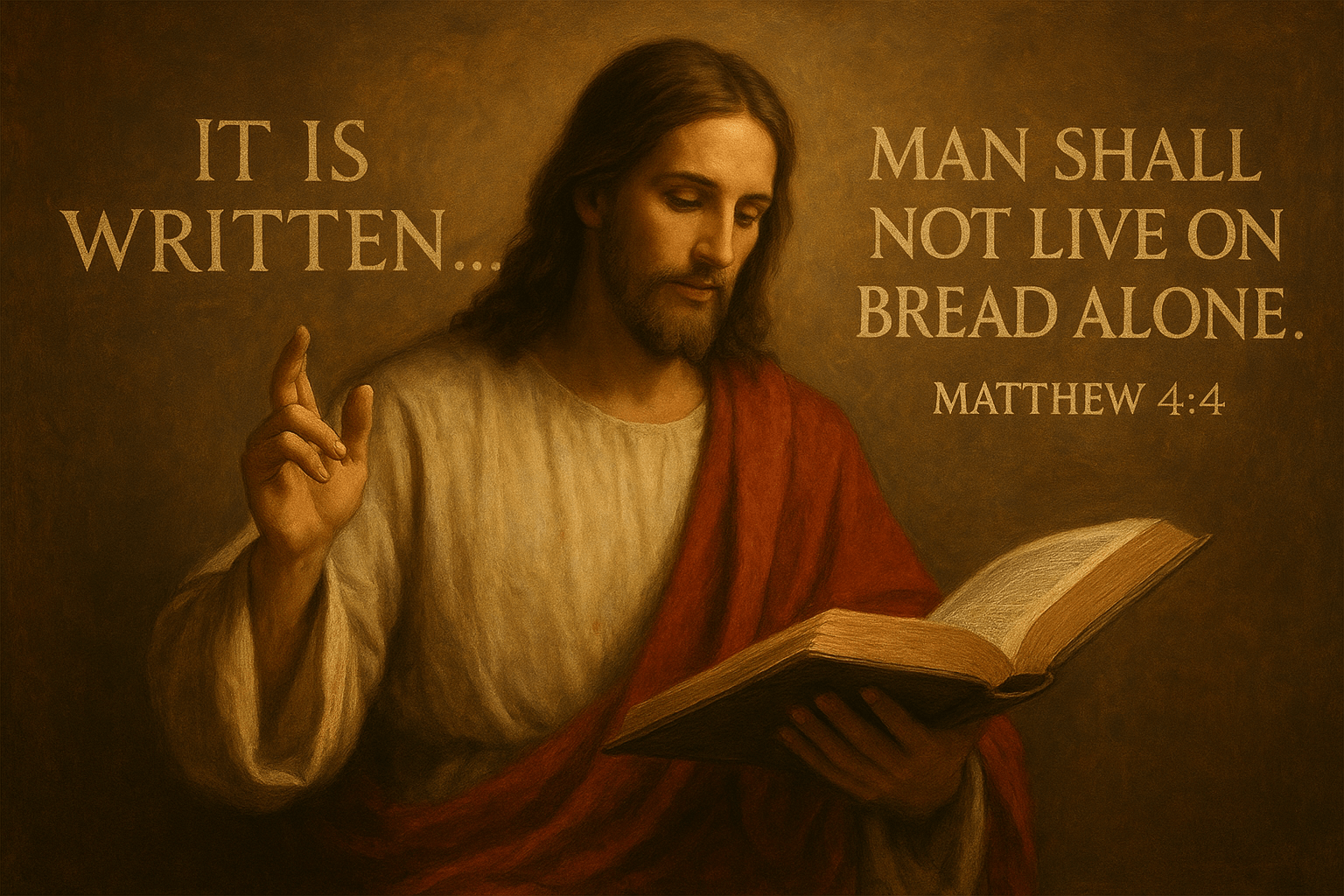
Jesus trusted the Scriptures completely. He said, “Your word is truth” (John 17:17). He quoted the Scriptures in teaching and defence. When tempted, He replied, “It is written” (Matthew 4:4). Because Jesus endorsed the Scriptures, Christians can trust them as well.
7. What Conclusion Can We Draw About the Bible’s Trustworthiness?
The Bible is historically accurate. Its prophecies come true. Its unity stands unmatched. Its manuscripts remain consistent. Its teachings transform lives. Most importantly, Jesus confirmed its divine origin.
Therefore, we can trust the Bible with confidence. It guides us with truth. It leads us to hope. It reveals God’s plan for everyone who seeks Him.
Why We Can Trust the Bible
Why We Can Trust the Bible: Evidence, Prophecy & Accuracy
1. Does the Bible Show Historical Accuracy?
The Bible records many historical events. Moreover, archaeology often confirms them. For example, Luke mentions rulers and cities accurately (Luke 3:1). This precision strengthens trust. Additionally, many ancient nations described match archaeological findings.
2. Is the Bible Textually Reliable Today?
The Bible has thousands of manuscripts. Furthermore, the consistency among them is remarkable. The Dead Sea Scrolls confirm Old Testament accuracy. For instance, Isaiah’s text matches nearly word for word (Isaiah 40:8). Therefore, we can trust its preservation.
3. Does the Bible Contain Accurate Prophecy?
The Bible includes fulfilled prophecy. These predictions show divine insight. Also, many were written centuries before fulfillment. Consider the following table:
Fulfilled Prophecies
| Prophecy | Scripture | Fulfilment |
| Fall of Babylon | Isaiah 13:19–22 | Babylon became deserted |
| Destruction of Jerusalem | Luke 19:41–44 | Roman destruction in 70 CE |
| Messiah born in Bethlehem | Micah 5:2 | Jesus born in Bethlehem |
4. Does the Bible Agree With Science?
The Bible is not a science book. Yet it contains accurate statements. Additionally, these statements match modern science. The following table gives examples:
Scientific Accuracy in Scripture
| Scientific Concept | Biblical Scripture | Description |
| Earth hangs on nothing | Job 26:7 | Matches space suspension |
| Water cycle | Ecclesiastes 1:7 | Describes evaporation and flow |
| Stars countless | Jeremiah 33:22 | Aligns with modern astronomy |
5. Does the Bible Transform Lives?
The Bible changes people. Additionally, it guides moral decisions. For example, Paul writes that Scripture equips us for good works (2 Timothy 3:16–17). Therefore, its consistent moral power supports its reliability.
6. Is the Bible Consistent Across Its Books?
The Bible contains 66 books. Yet it maintains a unified message. This is remarkable because many authors lived centuries apart. Still, its message remains consistent. Consequently, this unity supports divine authorship.
7. Does Jesus Affirm Scripture?
Jesus trusted the Scriptures. In fact, He quoted them often. He said, “Your word is truth” (John 17:17). His endorsement adds strong credibility.
In conclusion, the Bible offers historical accuracy, scientific harmony, fulfilled prophecy, moral guidance, and manuscript integrity. Therefore, we can trust it with confidence.

Why is it important that we study the scriptures?
The Bible is considered the divinely inspired Word of God, offering timeless wisdom and guidance for humanity. Throughout Scripture, God reveals His will, character, and plan for salvation. In 2 Timothy 3:16, the Bible affirms that “All Scripture is God-breathed and is useful for teaching, rebuking, correcting and training in righteousness.” The Bible is not only a historical record but a living guide, providing moral direction, spiritual insight, and practical advice for everyday life. It serves as a foundation for believers, offering hope, strength, and clarity in today’s complex world. By studying and applying its teachings, we can grow in faith, navigate life’s challenges, and align our lives with God’s will.
Studying the Bible offers profound benefits for individuals seeking guidance, peace, and purpose in today’s fast-paced world. As the Word of God, the Bible provides timeless wisdom that speaks to our personal struggles, relationships, and spiritual growth. Regular Bible study helps deepen our understanding of God’s character, strengthens our faith, and provides clarity in making decisions. It offers comfort during times of hardship, encouragement in moments of doubt, and practical advice for living a righteous life. Through its teachings, we can find direction in navigating life’s challenges and cultivate a closer relationship with God. By applying biblical principles to our daily lives, we grow in wisdom, character, and peace, aligning ourselves more closely with God’s will.
Useful Links
Why We Can Trust the Bible: Evidence, Prophecy & Accuracy
Useful Scriptures
📜 Scriptures on Why We Can Trust the Bible (WEB)
1. The Bible Is Inspired by God
2 Timothy 3:16–17 (WEB)
Every Scripture is God-breathed and profitable for teaching, for reproof, for correction, and for instruction in righteousness, that the man of God may be complete, thoroughly equipped for every good work.
2 Peter 1:20–21 (WEB)
No prophecy of Scripture is of private interpretation. For no prophecy ever came by the will of man, but holy men of God spoke, being moved by the Holy Spirit.
2. God’s Words Are Truth
John 17:17 (WEB)
Sanctify them in your truth. Your word is truth.
Psalm 119:160 (WEB)
All of your word is truth. Every one of your righteous ordinances endures forever.
3. God Preserves His Word
Isaiah 40:8 (WEB)
The grass withers, the flower fades; but the word of our God stands forever.
Psalm 12:6–7 (WEB)
The LORD’s words are flawless… You will keep them, LORD. You will preserve them from this generation forever.
4. God Cannot Lie (So His Word Is Trustworthy)
Titus 1:2 (WEB)
In hope of eternal life, which God, who can’t lie, promised before time began.
Hebrews 6:18 (WEB)
It is impossible for God to lie…
5. The Bible’s Prophecies Prove Its Reliability
Isaiah 46:9–10 (WEB)
I am God… declaring the end from the beginning… My counsel will stand.
Deuteronomy 18:21–22 (WEB)
When a prophet speaks in Yahweh’s name, if the thing doesn’t happen… that is the thing which Yahweh has not spoken.
6. The Word of God Is Perfect and Pure
Psalm 19:7 (WEB)
Yahweh’s law is perfect, restoring the soul.
Proverbs 30:5 (WEB)
Every word of God is flawless. He is a shield to those who take refuge in him.
7. God Commands Trust in His Word
Psalm 119:42 (WEB)
I trust in your word.
Psalm 119:105 (WEB)
Your word is a lamp to my feet, and a light for my path.
8. Scripture Is Eternal and Unchanging
Matthew 24:35 (WEB)
Heaven and earth will pass away, but my words will not pass away.
Psalm 119:89 (WEB)
Forever, Yahweh, your word is settled in heaven.
9. The Bible’s Teachings Are Proven True by Experience
Psalm 119:140 (WEB)
Your word is very pure; therefore your servant loves it.
Psalm 18:30 (WEB)
As for God, his way is perfect. Yahweh’s word is tested.
10. Scripture Produces Wisdom (Another Sign of Its Divine Origin)
Psalm 119:98–100 (WEB)
Your commandments make me wiser than my enemies… I have more understanding than all my teachers…
2 Timothy 3:15 (WEB)
From infancy, you have known the holy Scriptures which are able to make you wise for salvation.
📜 Scriptures Showing the Scientific Accuracy of the Bible (WEB)
1. The Earth Is Round / Spherical
Isaiah 40:22 (WEB)
It is he who sits above the circle of the earth…
The Hebrew chug refers to a sphere/roundness.
2. The Earth Hangs on Nothing
Job 26:7 (WEB)
He hangs the earth on nothing.
This aligns with Earth suspended in space—centuries before modern astronomy.
3. The Water Cycle
Ecclesiastes 1:7 (WEB)
All the rivers run into the sea, yet the sea is not full. To the place where the rivers go, there they go again.
Job 36:27–28 (WEB)
For he draws up the drops of water, which distill in rain from his vapor…
These describe evaporation, condensation, and rainfall.
4. Ocean Currents
Psalm 8:8 (WEB)
…the paths of the seas…
Matthew Maury (“father of oceanography”) cited this verse when discovering major sea currents.
5. The Hydrologic Balance of the Earth
Amos 9:6 (WEB)
…who calls for the waters of the sea, and pours them out on the surface of the earth…
Perfect summary of the water cycle.
6. Countless Stars (More Than Can Be Numbered)
Jeremiah 33:22 (WEB)
The army of the sky can’t be counted…
Long before telescopes revealed billions of galaxies.
7. The Universe Had a Beginning
Genesis 1:1 (WEB)
In the beginning, God created the heavens and the earth.
Matches scientific consensus that the universe began at a point (Big Bang).
8. Human Life Comes From Dust Elements
Genesis 2:7 (WEB)
Yahweh God formed man from the dust of the ground…
Human bodies are chemically composed of the same elements found in soil.
9. Health and Hygiene Principles Ahead of Their Time
Quarantine
Leviticus 13:4 (WEB)
…the priest shall isolate him…
Sanitation
Deuteronomy 23:12–13 (WEB)
…you shall have a place outside the camp… and cover your waste.
These practices prevented disease, centuries before germ theory.
📜 Scriptures Showing the Historical Accuracy of the Bible (WEB)
1. Accurate Historical Accounts Confirmed by Archaeology
Hittite Civilization (once doubted, now confirmed)
Genesis 23:10 (WEB)
Ephron the Hittite…
Archaeology later proved the Hittites were a major empire.
2. King David’s Historicity
2 Samuel 5:4 (WEB)
David was thirty years old when he began to reign…
The Tel Dan Inscription confirms a historical “House of David.”
3. Belshazzar as Co-Regent of Babylon (Archaeologically Verified)
Daniel 5:29 (WEB)
Belshazzar the king…
Archaeology confirmed Nabonidus’ son Belshazzar served as co-regent, explaining Daniel’s narrative.
4. Accurate Description of Ancient Customs
Marriage and Bride-Price
Genesis 34:12 (WEB)
Ask me a great dowry and gift…
Covenants and Oaths
Genesis 21:27 (WEB)
Abraham took sheep and cattle and gave them to Abimelech…
These customs align perfectly with known ancient Near Eastern practices.
5. Historical Kings and Empires
Assyria
2 Kings 19:36 (WEB)
So Sennacherib king of Assyria departed…
Persia
Ezra 1:1 (WEB)
In the first year of Cyrus king of Persia…
Cyrus Cylinder confirms Cyrus’ decree—matching the biblical account.
6. Archaeologically Verified Cities
Jericho
Joshua 6:20 (WEB)
…the wall fell down flat…
Nineveh
Jonah 3:3 (WEB)
Now Nineveh was an exceedingly great city…
Both sites have been extensively excavated.
7. Accurate Details About Ancient Egypt
Exodus 1:11 (WEB)
They built storage cities: Pithom and Raamses…
Both cities are archaeologically verified.
8. Pontius Pilate Verified
Matthew 27:2 (WEB)
…delivered him to Pontius Pilate, the governor.
The Pilate Stone (1961) confirms his historical role.
9. Caiaphas the High Priest Verified
Matthew 26:3 (WEB)
…Caiaphas, the high priest…
His ossuary (bone box) was discovered in 1990.
10. Nazareth and Galilee as Real Locations
Luke 1:26 (WEB)
…Nazareth, a city of Galilee…
Nazareth has been excavated extensively.