Scarborough Seawall Heritage TRail
Scarborough Seawall Heritage Trail – Coastal Walk, History & Scenic Views
Discover the Scarborough Seawall Heritage Trail, a stunning coastal route that explores the town’s rich maritime past, Victorian engineering, and sweeping sea views. Perfect for walkers, photographers, and history lovers, this seaside trail offers an easy, engaging way to experience Scarborough’s heritage along its dramatic shoreline.
About the Walking Trail
Scarborough Seawall Heritage Trail – Coastal Walk, History & Scenic Views
About Scarborough
Scarborough is one of North Yorkshire’s most iconic seaside destinations, offering a perfect mix of beaches, coastal scenery, family attractions, and rich maritime heritage. With its historic harbour, vibrant South Bay, clifftop castle, and sweeping views across the North Sea, the town provides endless opportunities for walking, photography, and days out along the Yorkshire Coast. Whether you’re visiting for a classic seaside holiday, exploring local history, or enjoying the dramatic coastal landscapes, Scarborough delivers a memorable experience for all ages.
About the Seawall Heritage Trail
The Scarborough Seawall Heritage Trail is a scenic coastal walk that celebrates the engineering, history, and natural beauty of Marine Drive. Stretching for around a mile beneath the towering cliffs of Castle Headland, the trail features engaging heritage panels, historical stories, and panoramic sea views along one of Scarborough’s most striking seafront routes. Ideal for walkers, families, and history enthusiasts, this accessible trail provides a unique journey through the town’s maritime past while showcasing its spectacular coastline.
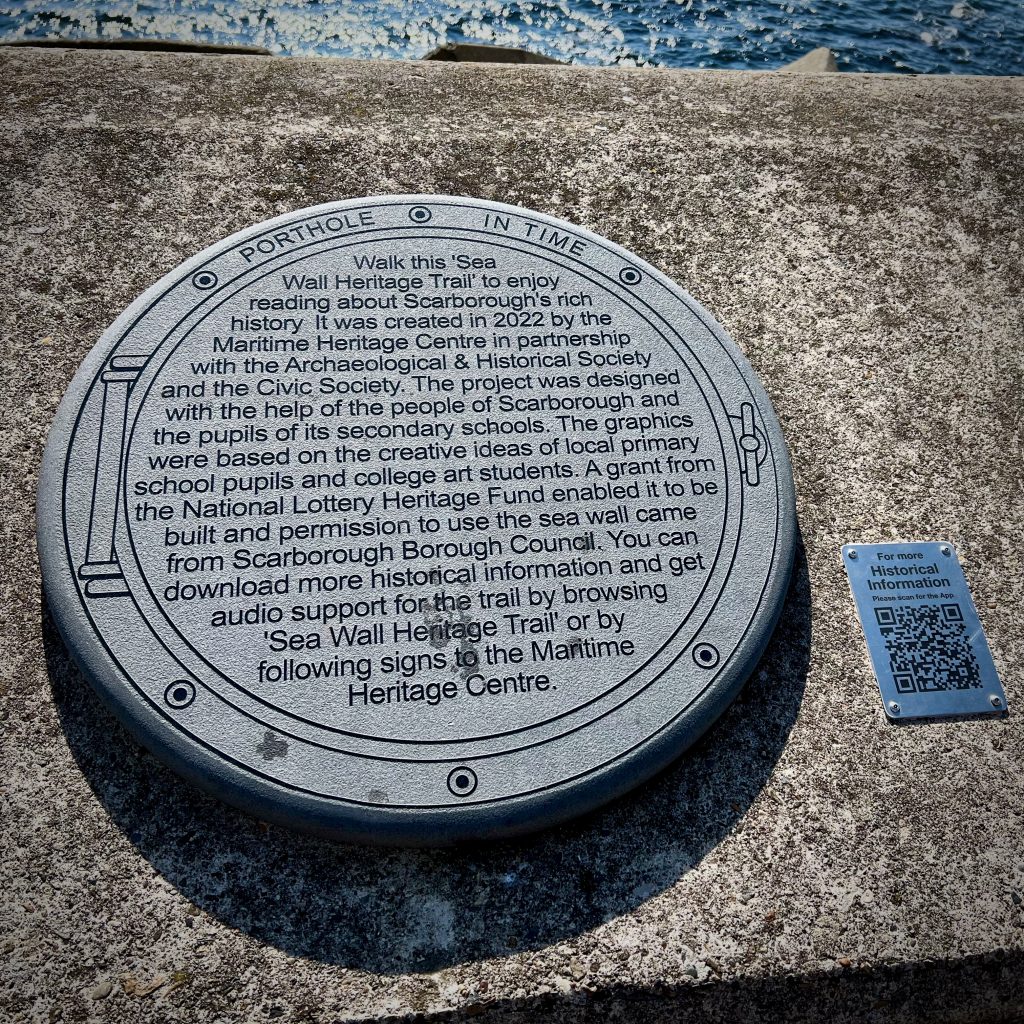
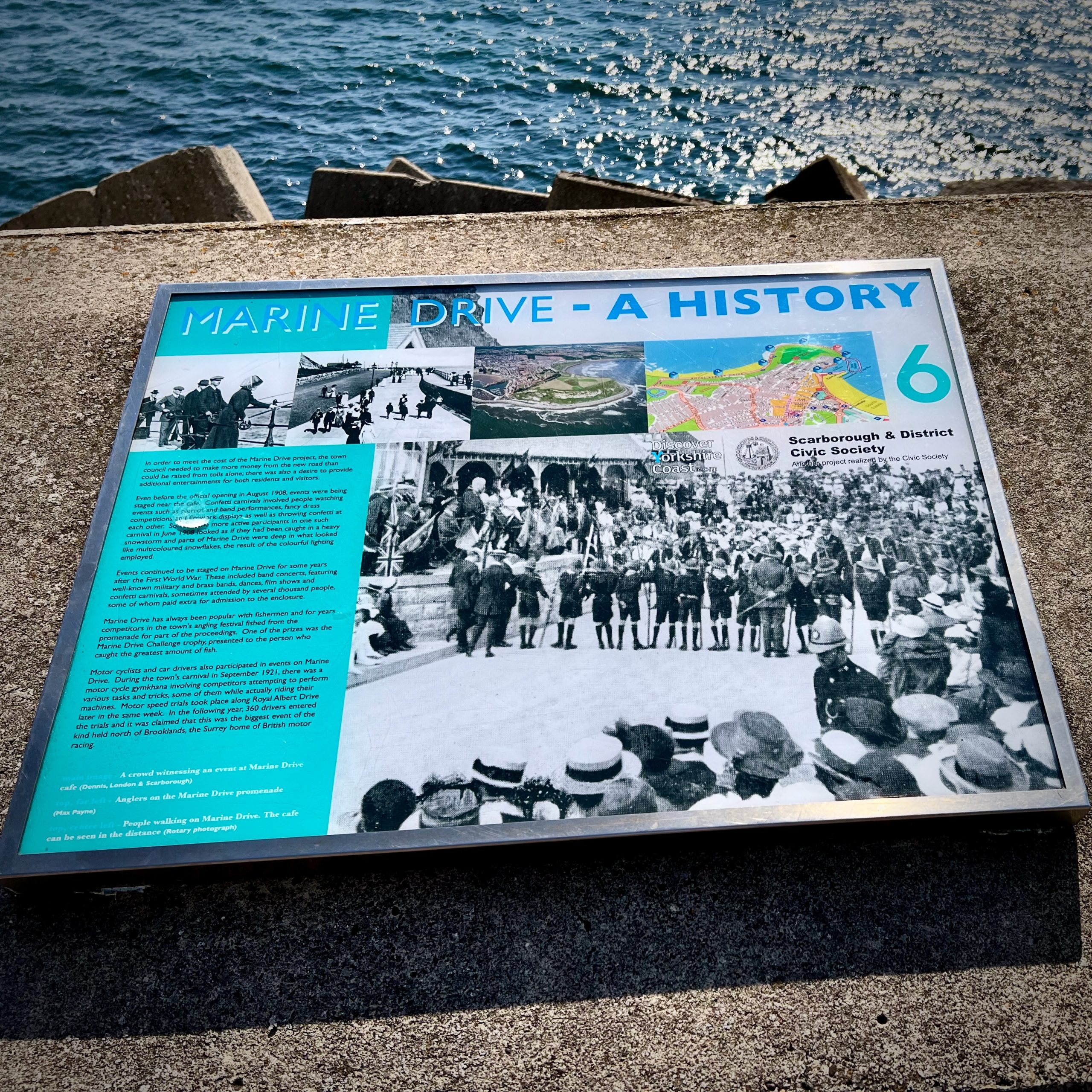
Porthole in Time
From Marine Drive in a South to North Bay direction, you can discover the Portholes in Time fixed to the seawall.
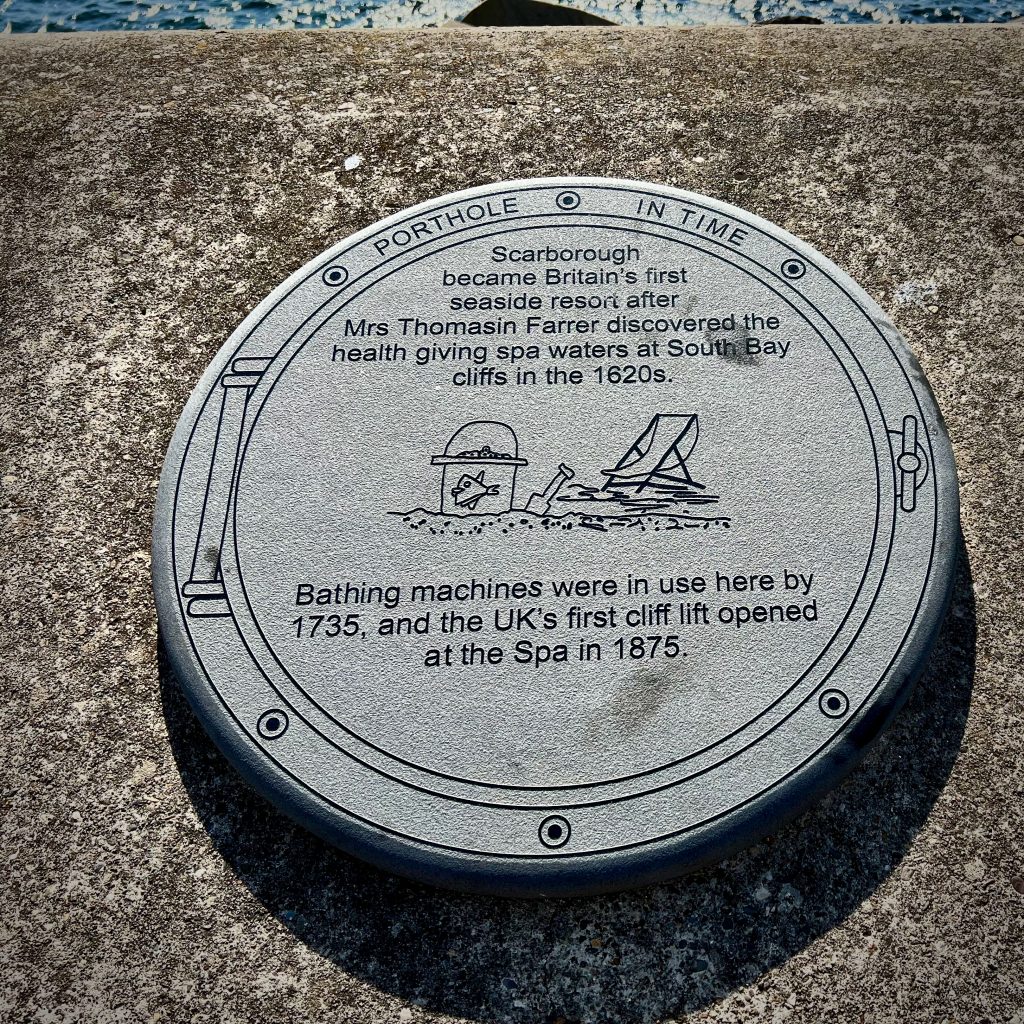
Scarborough A Seaside Resort
Scarborough became one of Britain’s first seaside resorts in the 17th and 18th centuries, after the discovery of its health-giving spa waters attracted visitors from across the country. As sea bathing grew fashionable in the Georgian and Victorian eras, Scarborough expanded with grand hotels, elegant promenades, and new attractions designed to welcome a rapidly increasing number of holidaymakers. Its natural bays, dramatic cliffs, and newly built railway connections helped transform the town into a thriving coastal destination, laying the foundations for the popular seaside resort that continues to draw visitors today.
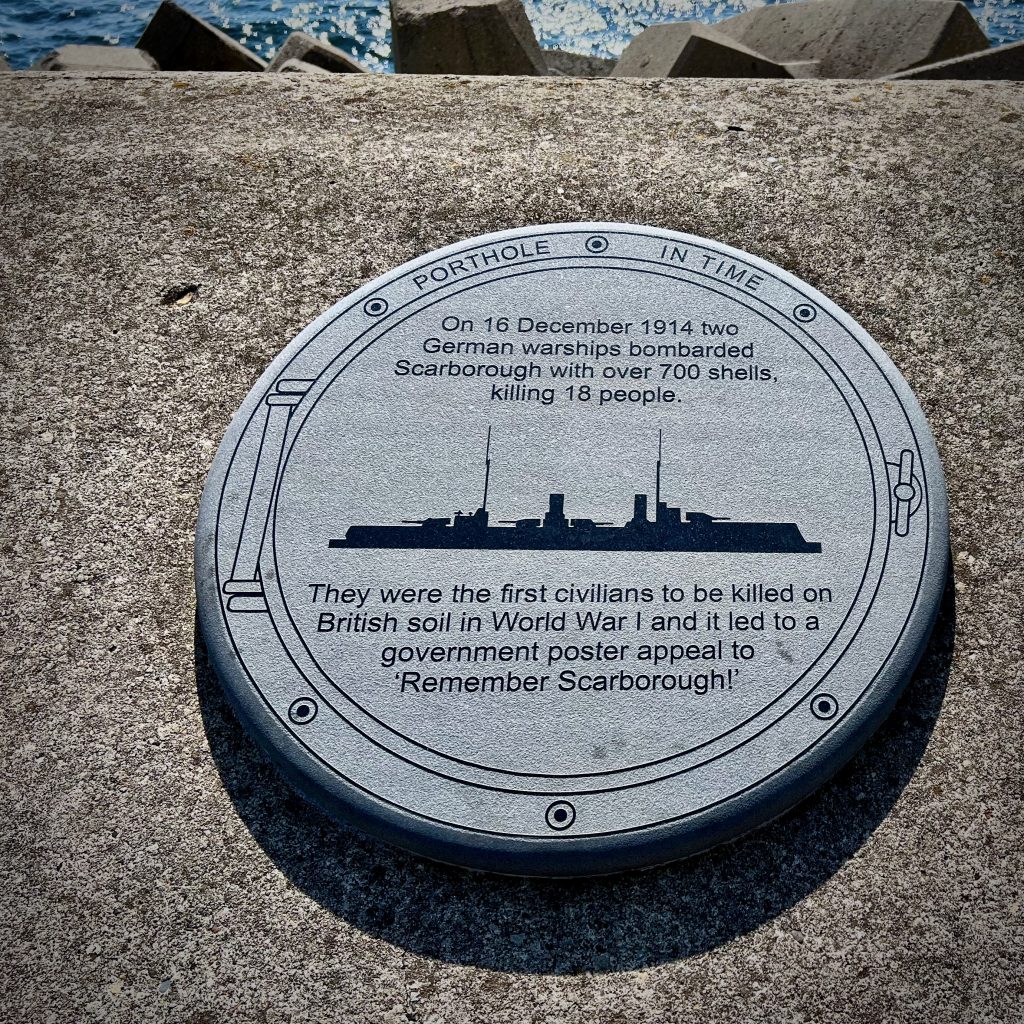
Bombardment
In December 1914, Scarborough was thrust into history when German battlecruisers bombarded the town during the First World War, marking one of the first attacks on British soil in centuries. The unexpected strike targeted civilian areas, damaging homes, iconic landmarks, and the historic castle headland, and resulting in several casualties. The event shocked the nation, strengthening public support for the war effort and leaving a lasting legacy across the Yorkshire Coast. Today, the Bombardment of Scarborough remains a significant chapter in the town’s past, remembered through memorials, heritage trails, and local maritime history.
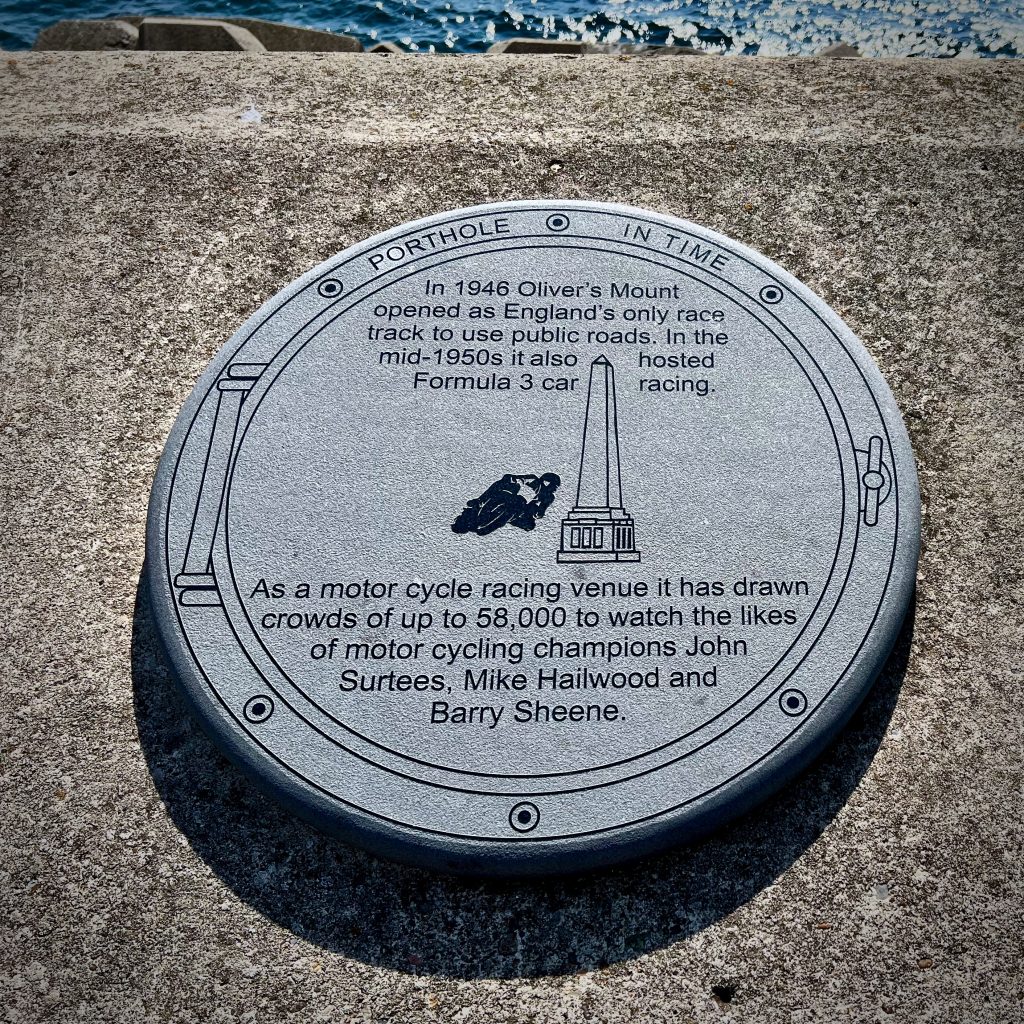
Oliver’s Mount
Oliver’s Mount Race Track is one of Scarborough’s most iconic sporting landmarks, renowned as England’s only true “road racing” circuit. Set atop a scenic hill overlooking the Yorkshire coast, the track has hosted motorcycle racing since 1946, drawing legendary riders and thousands of fans to its fast, technical bends and dramatic elevation changes. Known for its unique mix of motorsport heritage and stunning views, Oliver’s Mount continues to be a major attraction for racing enthusiasts, offering adrenaline-filled events that celebrate the golden age of British road racing.
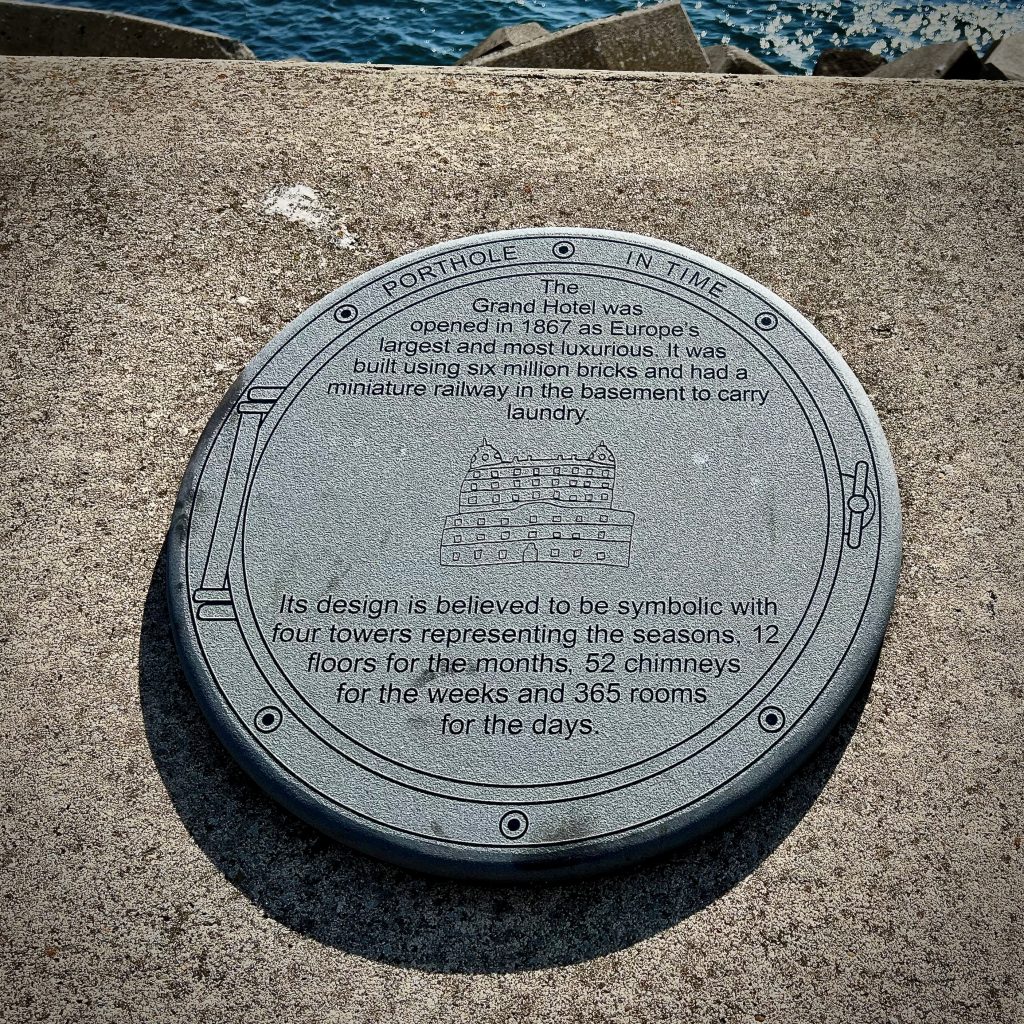
The Grand Hotel
The Grand Hotel in Scarborough is one of the town’s most famous and architecturally significant landmarks, celebrated for its impressive Victorian design and commanding position overlooking South Bay. Once one of the largest and most luxurious hotels in Europe, it was built in 1867 with a unique layout symbolising the calendar year, featuring four towers, twelve floors, and 365 rooms. Today, The Grand Hotel remains a defining feature of Scarborough’s seafront, offering visitors a glimpse into the town’s golden age of tourism and a striking backdrop for coastal walks, photographs, and historic exploration.
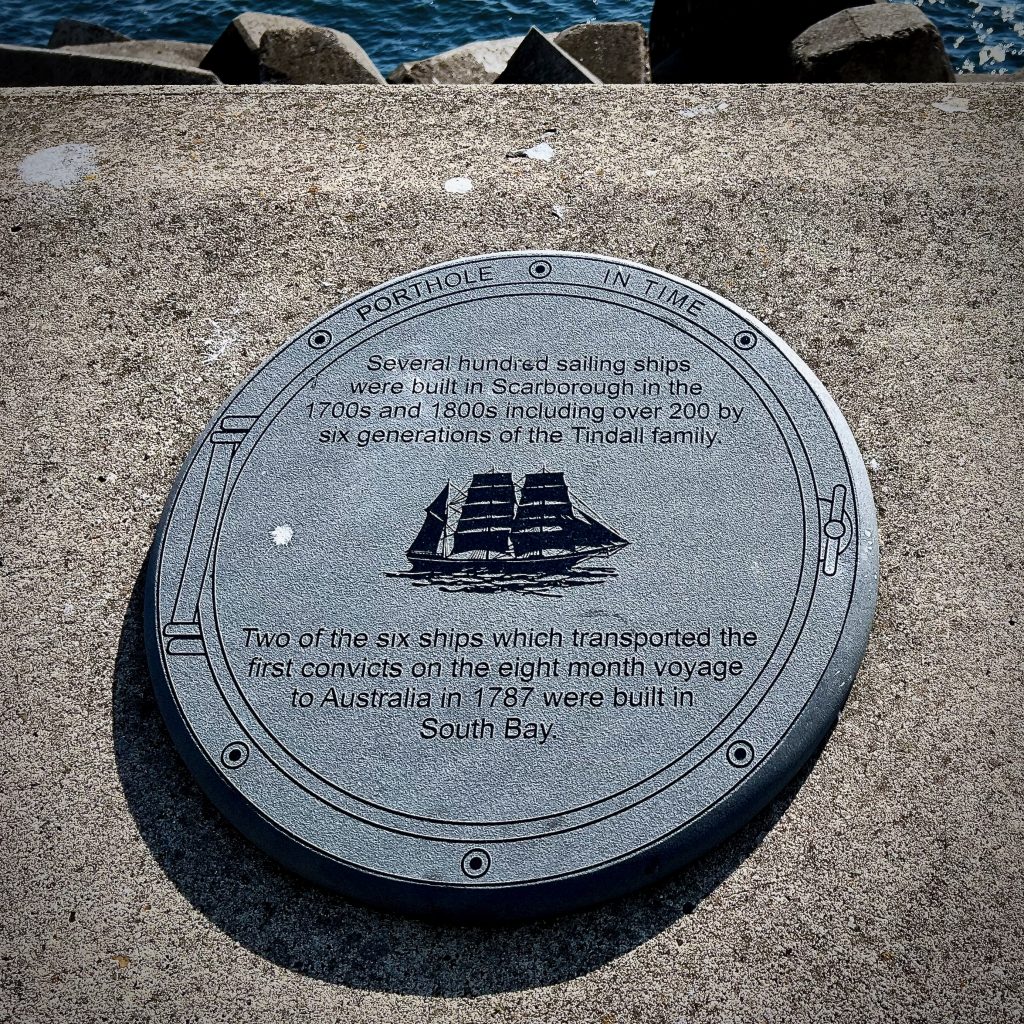
Tindall Family
The Tindall family is deeply woven into Scarborough’s local heritage, known for their longstanding influence on the town’s development, civic life, and maritime connections. As prominent merchants and community figures across the 18th and 19th centuries, the Tindalls played a key role in shaping Scarborough’s economic and social landscape during its rise as a fashionable seaside resort. Their legacy can still be traced through historic records, family landmarks, and contributions to the town’s cultural identity, making the Tindall family an important chapter in Scarborough’s rich and varied past.
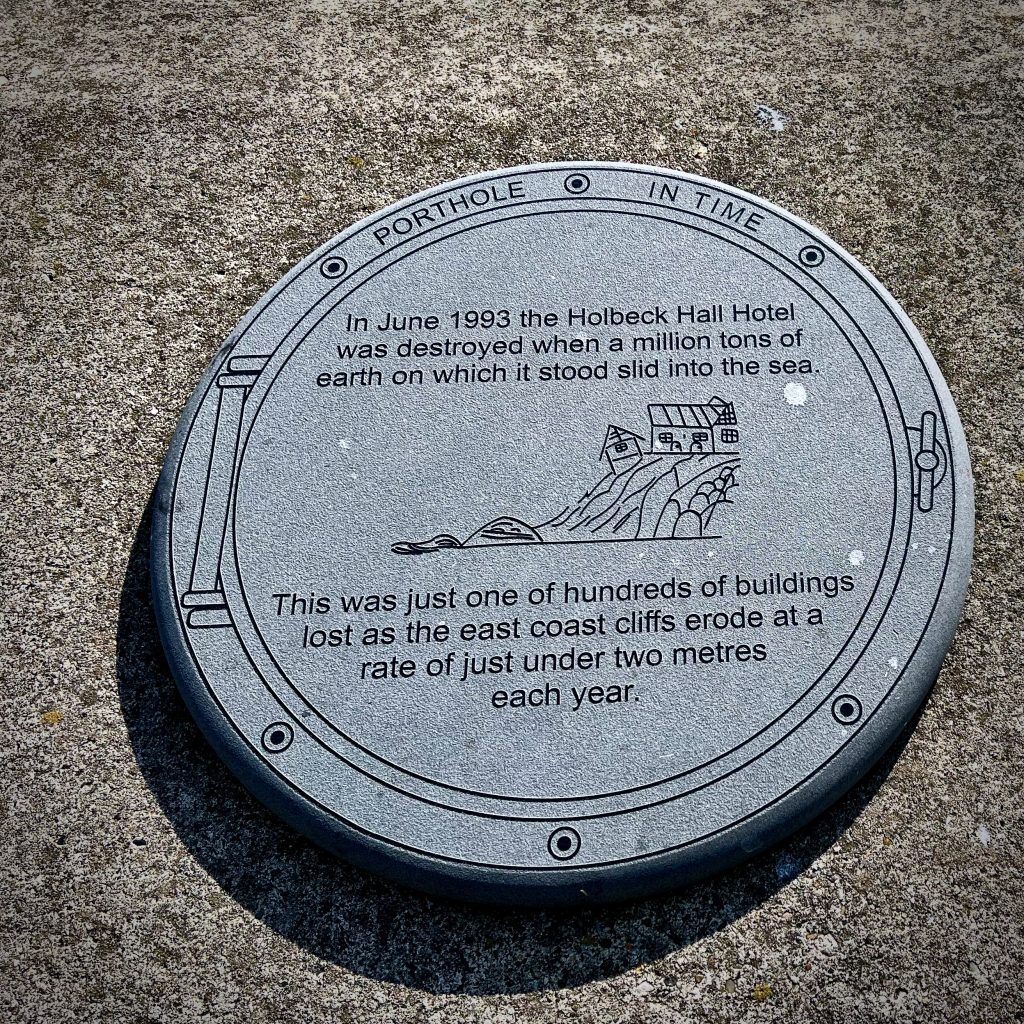
Holbeck Hall Hotel
Holbeck Hall Hotel, perched dramatically on the cliffs near Scarborough, is famous for its stunning sea views and tragic history. Originally a Victorian mansion converted into a hotel, it gained notoriety in 1993 when a landslide caused part of the building to collapse into the sea, an event that captured national attention. Today, Holbeck Hall remains an iconic landmark along the Yorkshire coast, symbolising the power of nature and offering visitors insight into the area’s coastal geology, historic architecture, and the dramatic cliffside scenery that continues to attract walkers and photographers.
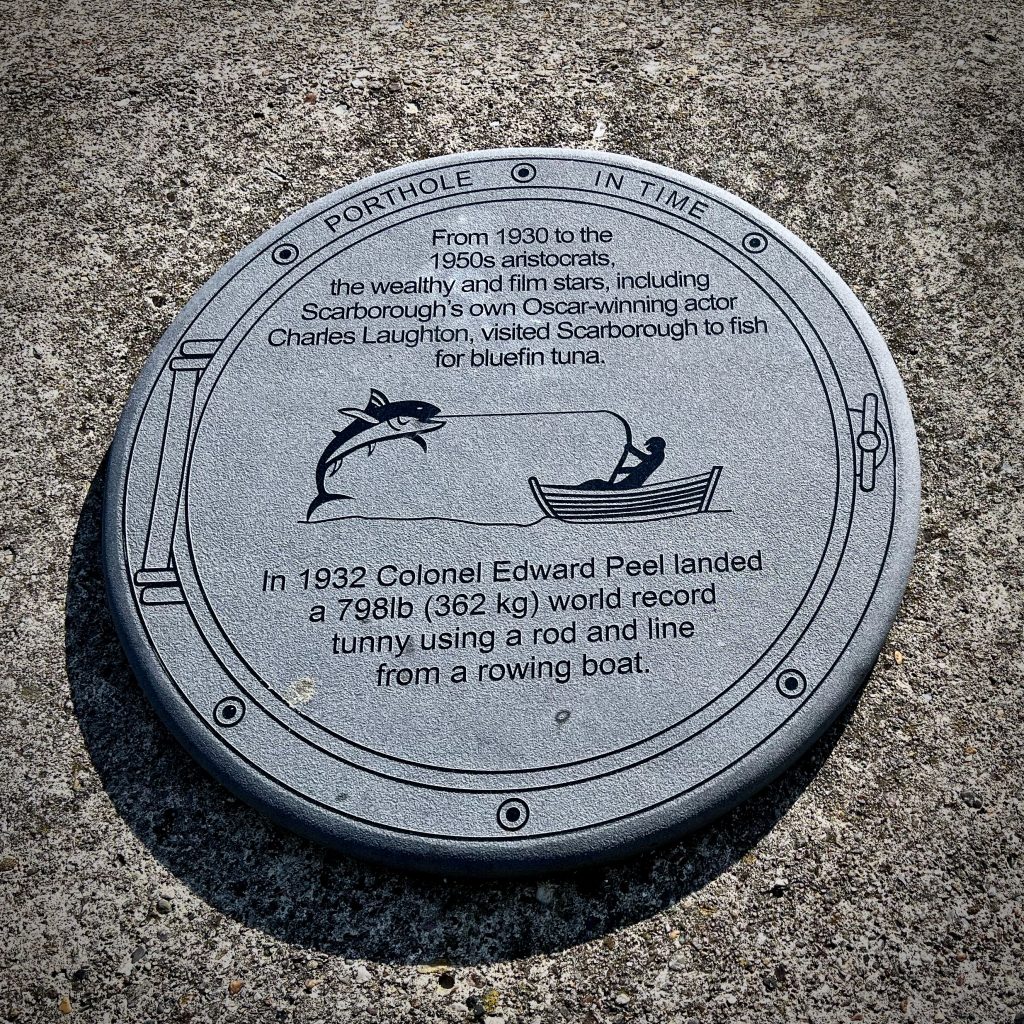
Bluefin Tuna
The bluefin tuna is one of the ocean’s most powerful and iconic fish, renowned for its size, speed, and strength. Found in the North Atlantic, including the waters off the Yorkshire coast, these majestic predators can grow to over 3 meters in length and weigh more than 600 kilograms. Bluefin tuna are highly prized by both sport anglers and commercial fisheries, but their populations have faced significant threats due to overfishing, making conservation efforts crucial. Observing or learning about bluefin tuna highlights the rich marine biodiversity of coastal regions like Scarborough, drawing interest from wildlife enthusiasts and anglers alike.
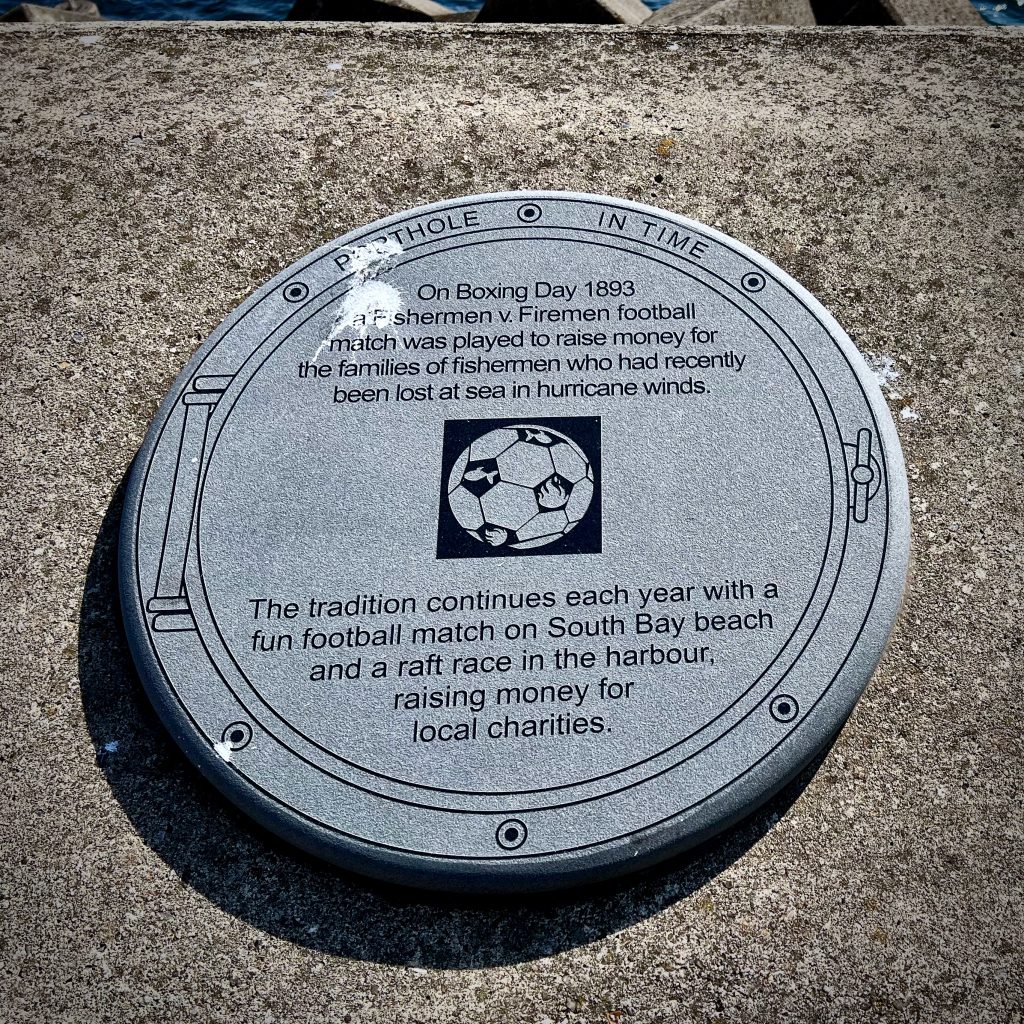
Charity Football Match
The Fishermen vs Firemen charity match was first held in 1893 to raise money for the children of five Scarborough fishermen who drowned at sea aboard the Evelyn and Maud. The very first match was played on Christmas Day (25 December) in 1893, at the Ebor Football Ground on Prospect Road. About 1,500 people attended. The match raised £9 11s 6d. The tradition moved to Boxing Day (26 December) in later years (from 1898).
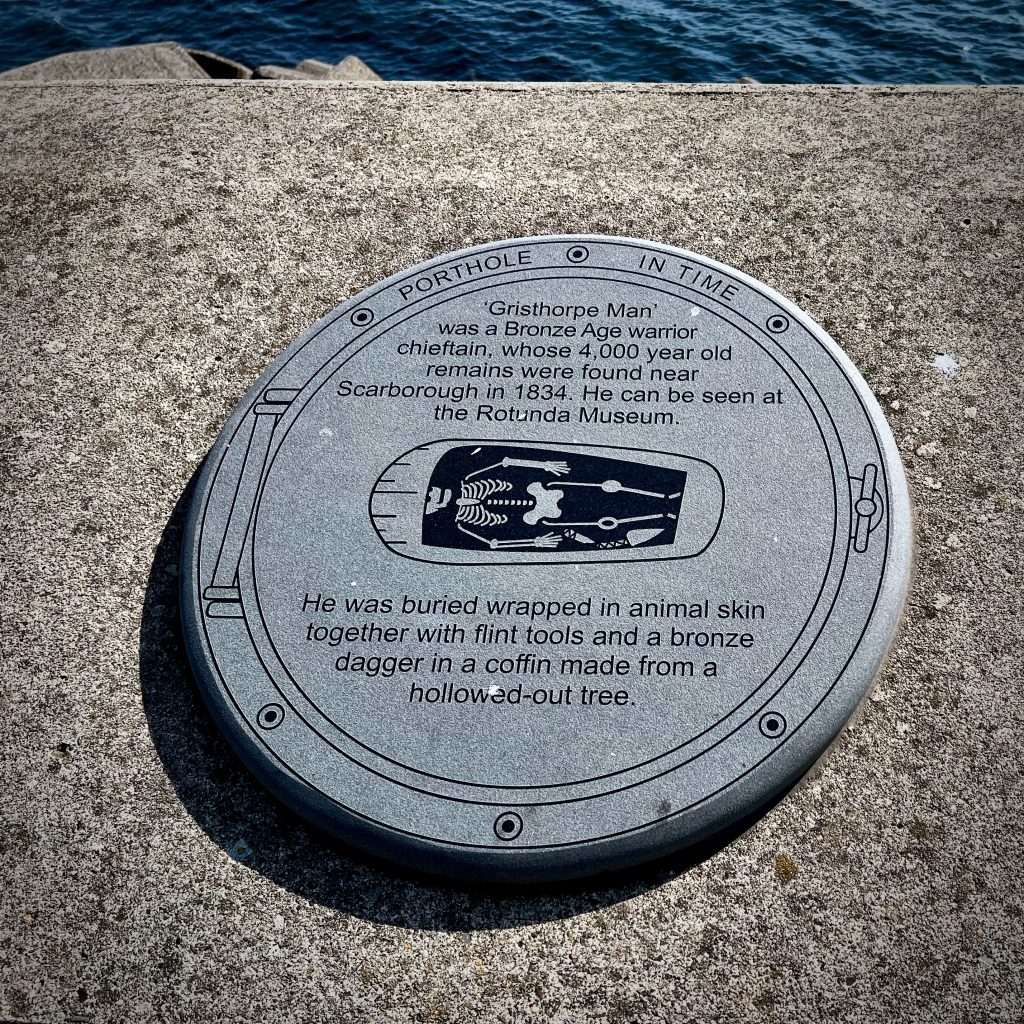
Gristhorpe Man
Gristhorpe Man is one of the most significant archaeological discoveries in North Yorkshire, providing a fascinating glimpse into Bronze Age life around 4,000 years ago. Discovered in 1834 near Gristhorpe, the well-preserved skeleton was found with a rare beaker and other burial artifacts, offering insight into the funerary practices, diet, and clothing of the period. Gristhorpe Man’s remains have helped historians and archaeologists understand the early communities that lived along the Yorkshire coast, making him an important figure in the study of prehistoric Britain and a key attraction for those interested in archaeology and ancient history.
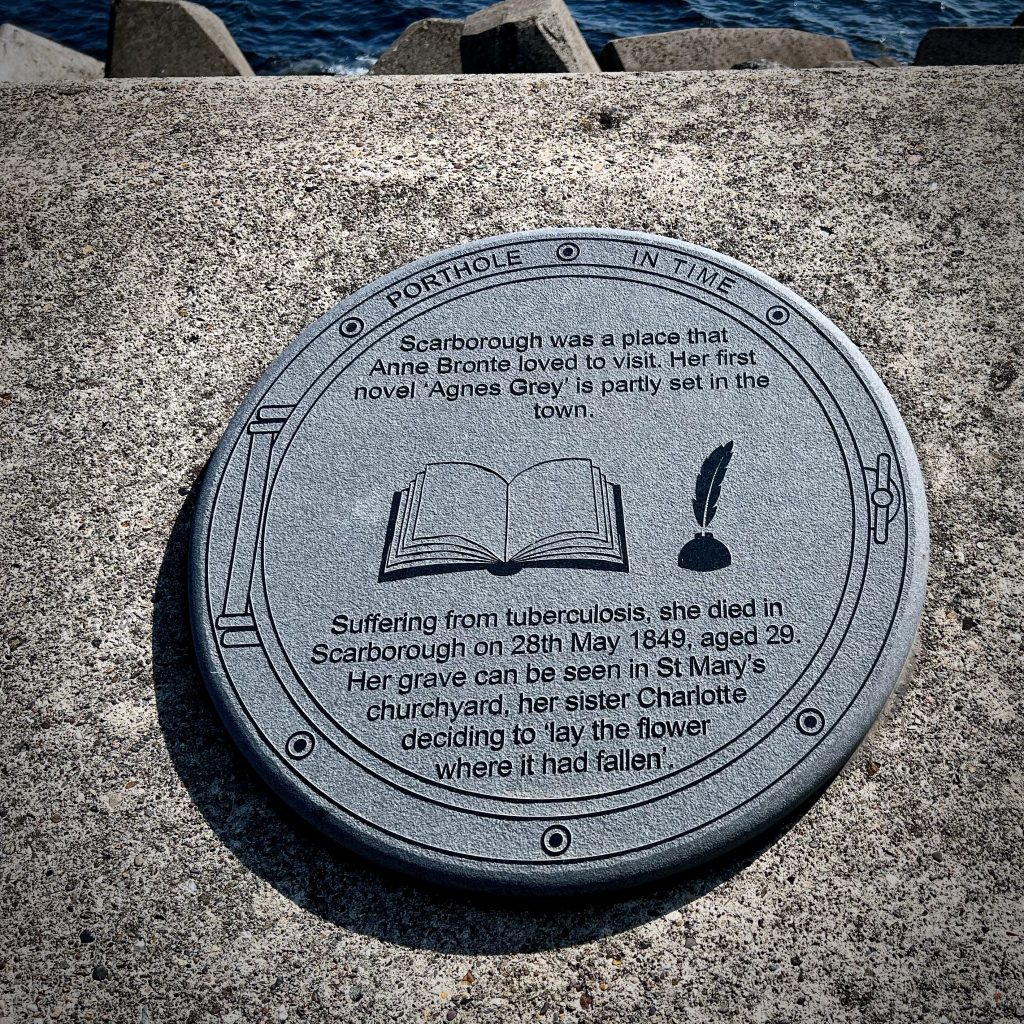
Anne Bronte
Anne Brontë, the youngest of the famous Brontë sisters, is celebrated for her insightful novels and enduring literary legacy. Born in 1820 in Yorkshire, Anne authored works such as Agnes Grey and The Tenant of Wildfell Hall, which explored themes of social injustice, morality, and the challenges faced by women in the 19th century. Her writing, marked by realism and emotional depth, provides a window into Victorian life and the struggles of ordinary people. Today, Anne Brontë remains an essential figure in English literature, drawing scholars, fans, and visitors to Yorkshire to explore her life, home, and the landscapes that inspired her work.
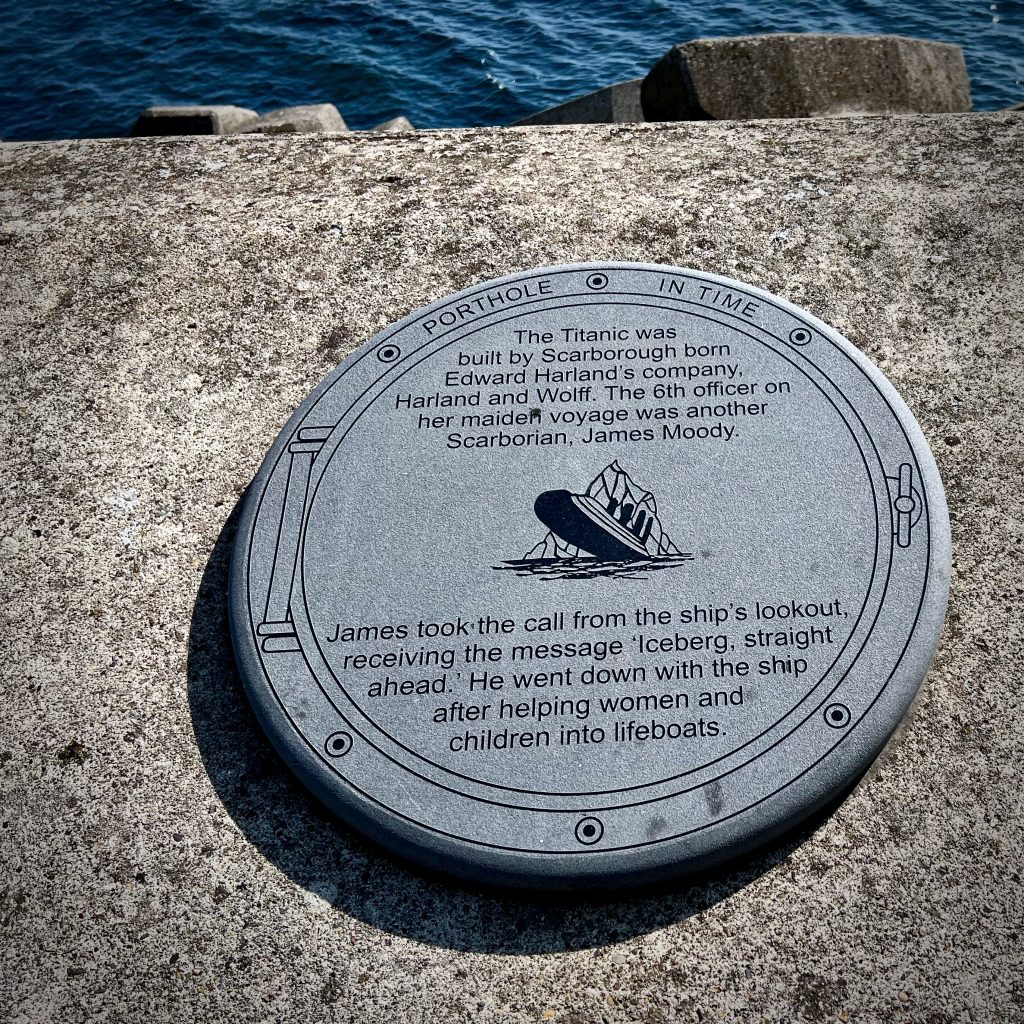
Edward Harland
Edward Harland was a British shipbuilder born in Scarborough in 1831.
He co‑founded the famous shipbuilding company Harland & Wolff, which later built iconic ships like the Titanic. He was also a politician and served as MP for Belfast North
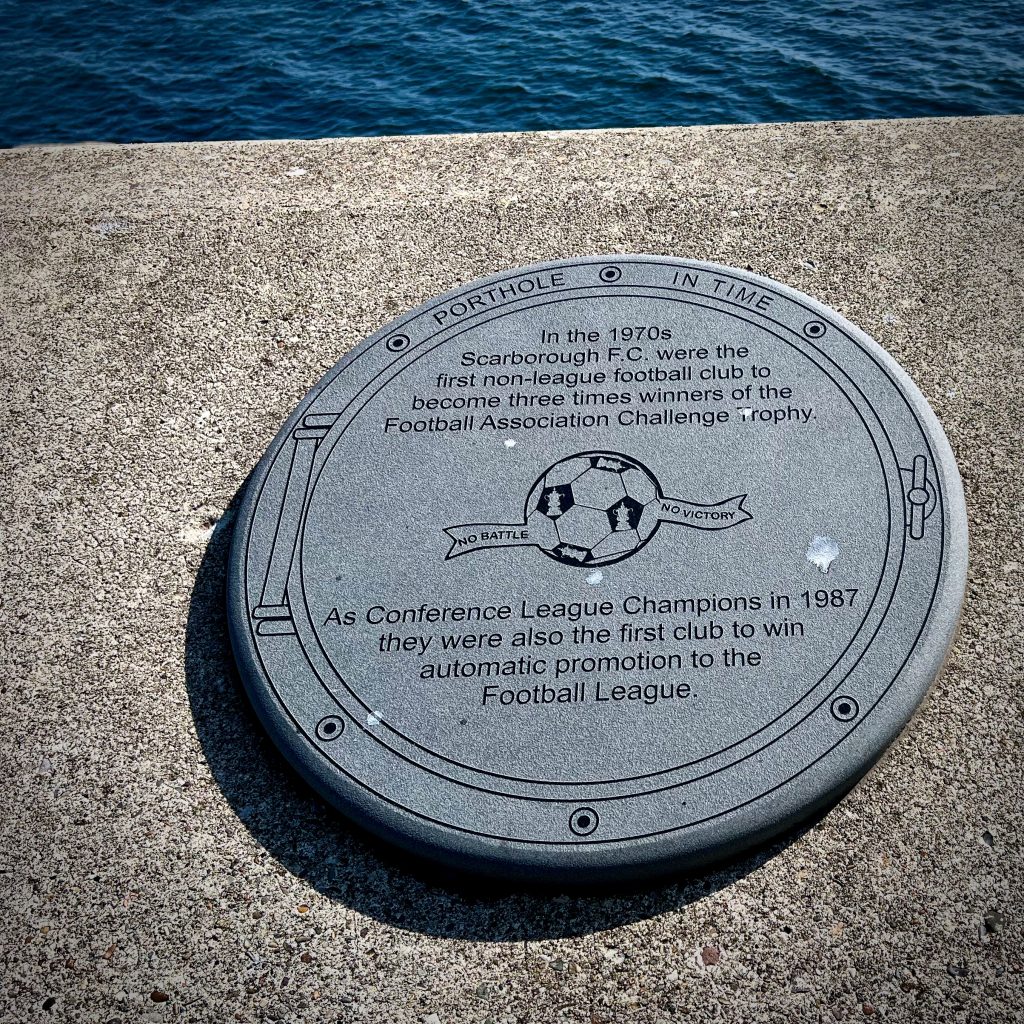
Scarborough FC
Scarborough FC was a historic football club based in Scarborough, North Yorkshire, founded in 1879 and known for its passionate local support and community spirit. The team played at the McCain Stadium and enjoyed success in both league and cup competitions, including becoming the first club to win the Football Conference and gain promotion to the Football League in 1987. Despite financial difficulties leading to the club’s liquidation in 2007, Scarborough FC remains a cherished part of the town’s sporting heritage, remembered for its iconic matches, loyal supporters, and contribution to football culture in North Yorkshire.
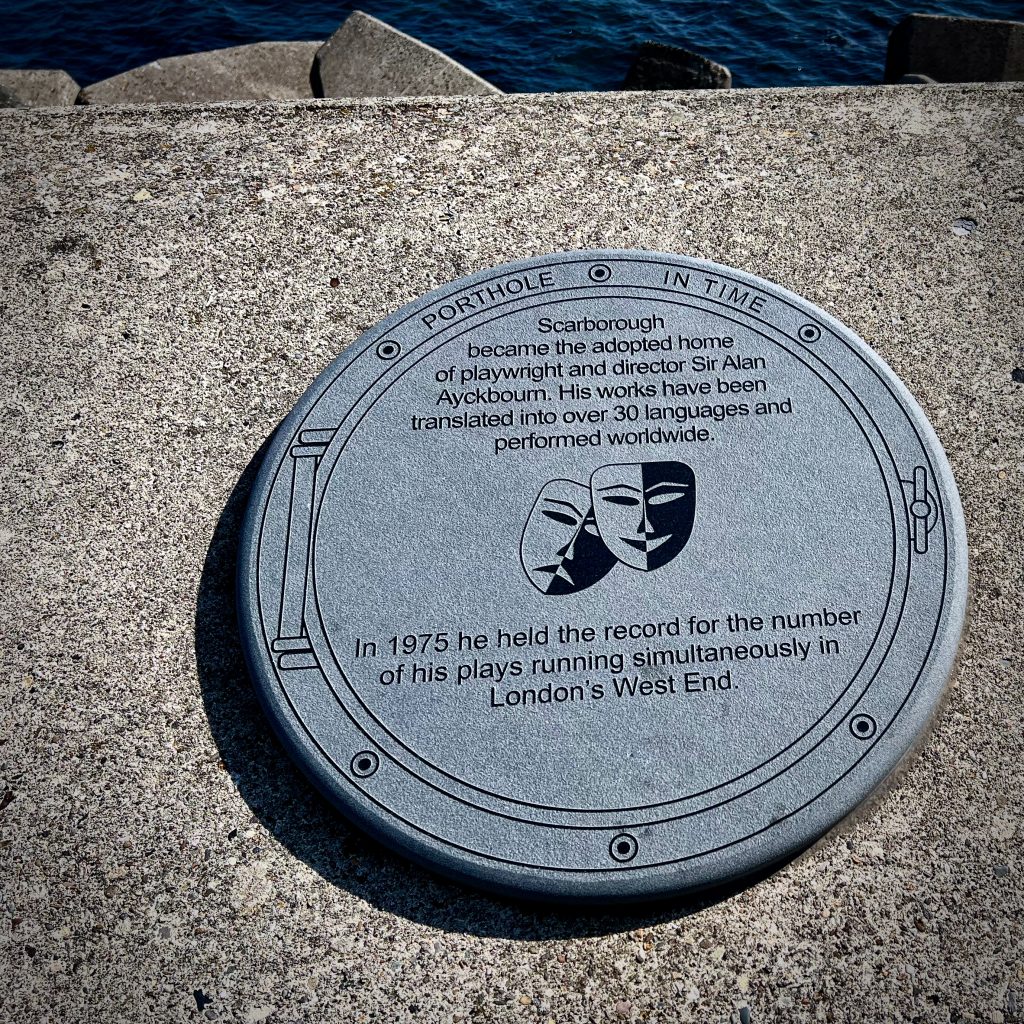
Sir Alan Ayckbourn
Sir Alan Ayckbourn is one of Britain’s most celebrated playwrights, renowned for his sharp wit, inventive theatrical techniques, and prolific career spanning over six decades. Born in 1939, Ayckbourn has written more than 80 plays, many of which explore complex human relationships and social themes with humour and insight. He is closely associated with the Stephen Joseph Theatre in Scarborough, where he served as artistic director for many years, premiering countless works that have gone on to national and international acclaim. Today, Sir Alan Ayckbourn remains a key figure in modern theatre, drawing visitors to Scarborough to experience performances in the town where much of his creative legacy was established.
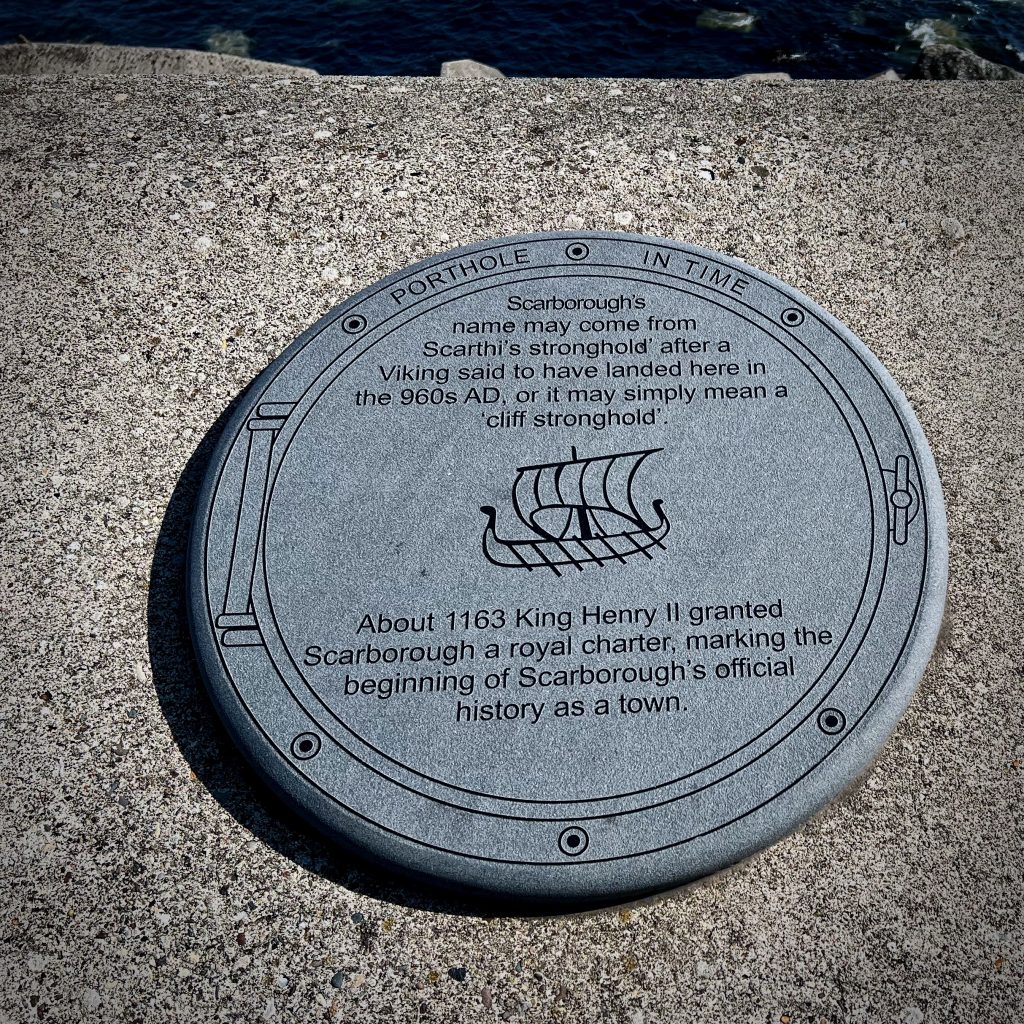
Where Scarborough Derives
The name Scarborough has its roots in Old Norse, reflecting the town’s Viking heritage. It is believed to derive from “Skáraborg,” meaning “Skári’s fort” or “the fort on the rock,” referring to the natural defensive position of the headland where Scarborough Castle now stands. This etymology highlights the town’s early importance as a fortified settlement and maritime hub. Over centuries, Scarborough evolved from a strategic Viking outpost into one of England’s most famous seaside resorts, but its name still preserves a link to its ancient origins and Norse past.
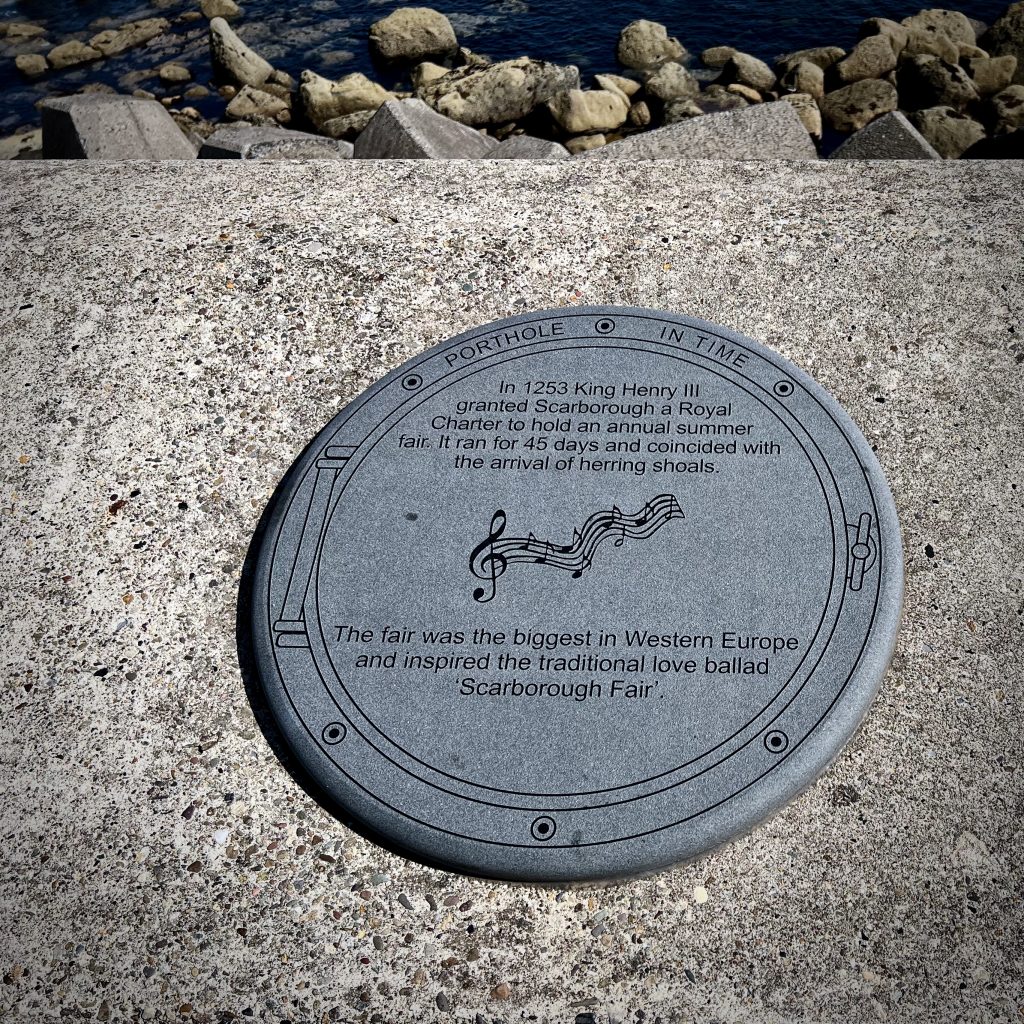
Royal Charter
King Henry III granted Scarborough a royal charter on 22 January 1253, allowing the town to hold a large annual fair. The charter specified that the fair would run from the Feast of the Assumption (15 August) to St Michael’s Day (29 September), making it a 45-day trading and celebration event. Over time, the Scarborough Fair became one of the biggest medieval fairs in Western Europe, attracting merchants from across England and beyond, including Scandinavia and the Baltic region. The fair was not just commercial — it included entertainment, food, and social gatherings, making it a major annual social event for Scarborough. It ran for many centuries, but eventually declined and ended in 1788.
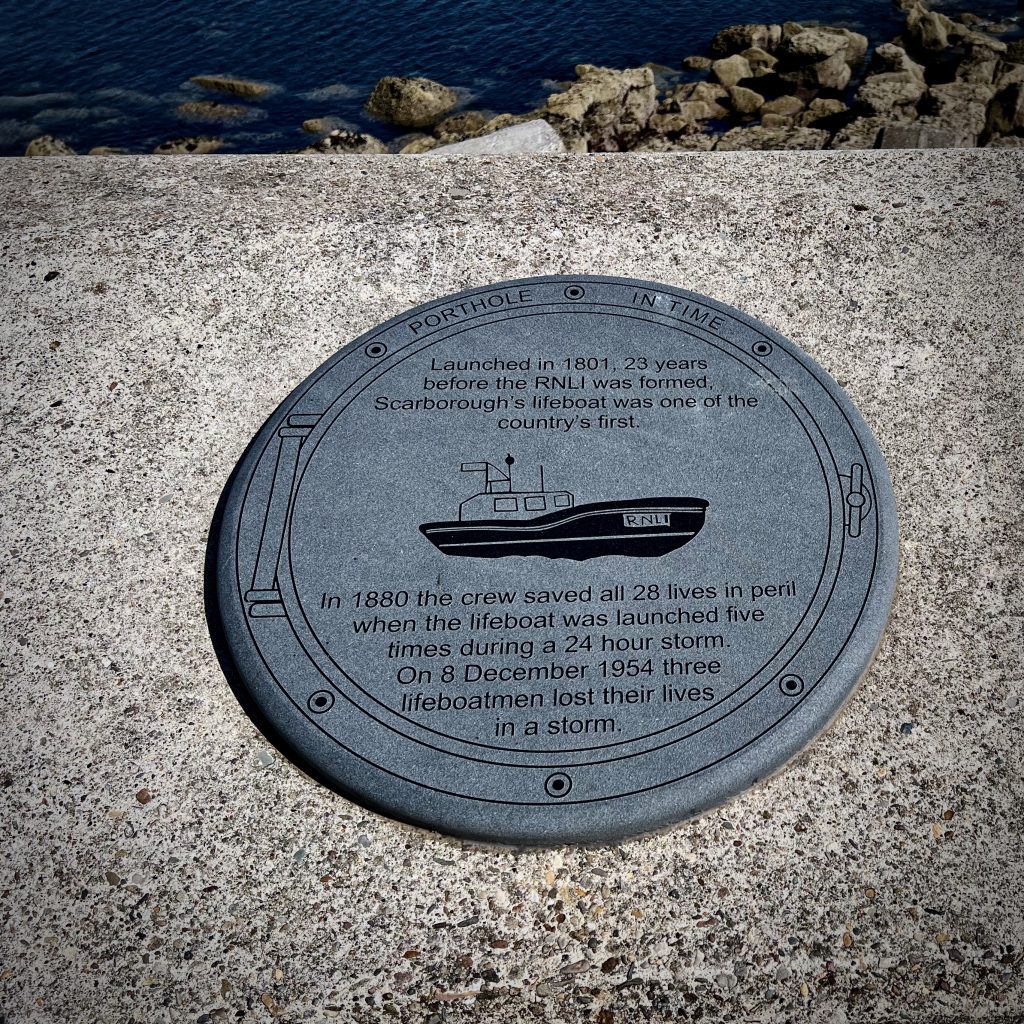
Scarborough’s Lifeboat
Scarborough’s very first lifeboat was established in 1801, funded by public donations and built locally to the designs of the pioneering lifeboat maker Henry Greathead. This original, oar‑powered boat cost just over £212 and went into service on 2 November 1801, rescuing the crew of seven from the Aurora of Newcastle in Scarborough Bay. scarboroughlifeboat.org.uk The first boathouse was located near the Mill Beck, beneath what is now the Spa Bridge. RNLI The station eventually became part of the RNLI in 1861, and since then Scarborough’s lifeboat crews have saved hundreds of lives and earned multiple medals for bravery.
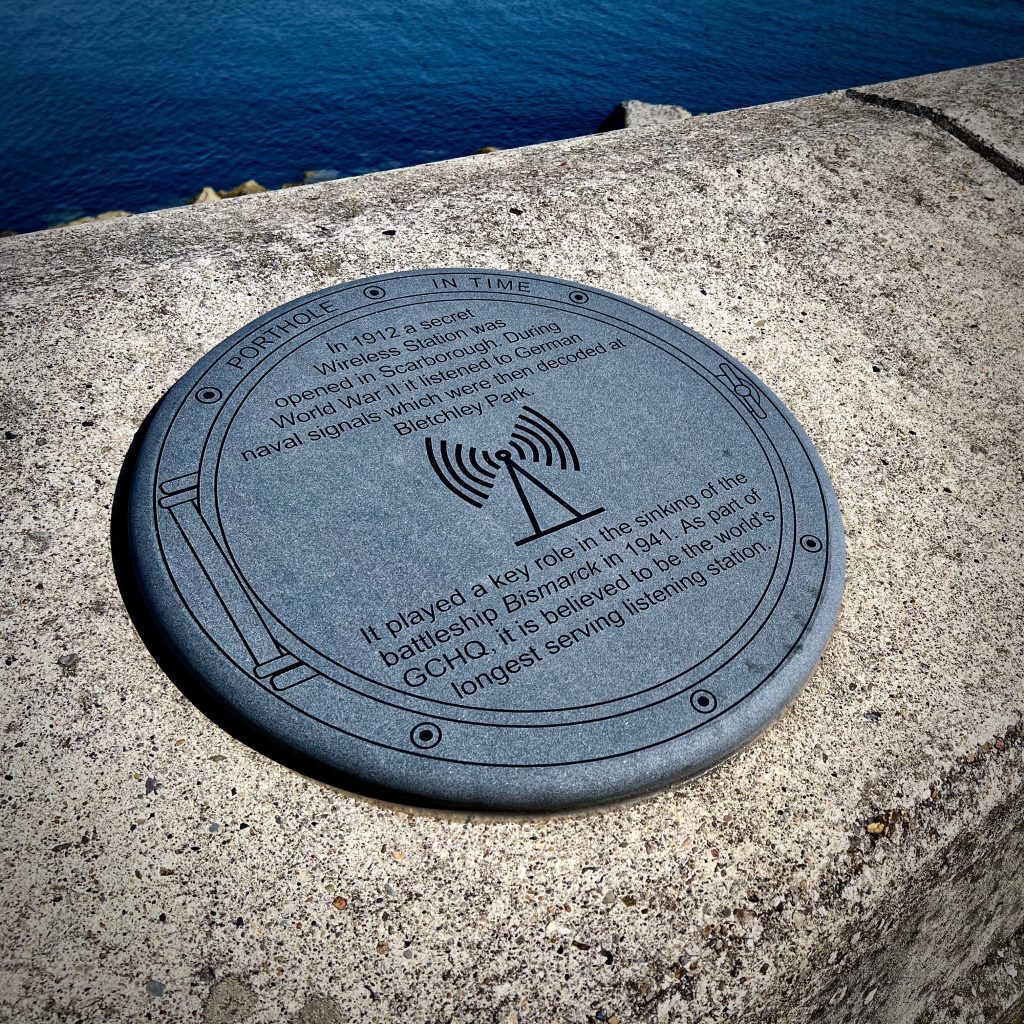
Secret Wireless Station
Scarborough’s Secret Wireless Station, now part of GCHQ Scarborough, has played a vital role in British signals intelligence for over a century. Originally established by the Royal Navy in 1912, the station monitored enemy communications during both World Wars, served as a Y‑station for naval intercepts, and later tracked Soviet transmissions during the Cold War. Declassified documents reveal its key role in major historic events, including the Cuban Missile Crisis. Today, GCHQ Scarborough continues to operate as a modern intelligence and cyber-security hub, making it a fascinating part of Scarborough’s heritage and an important landmark in the history of British communications and national security.
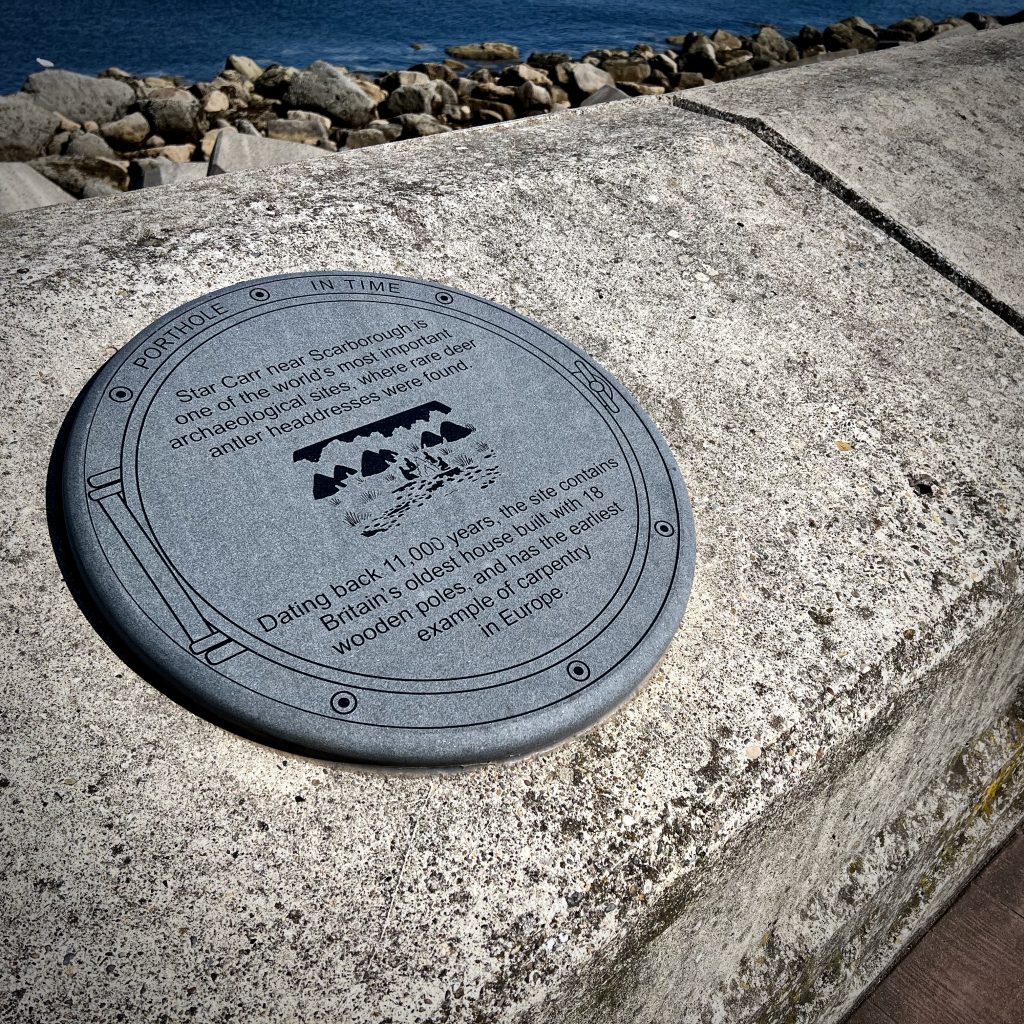
Star Carr
Star Carr is one of the most important Mesolithic archaeological sites in Britain, located near Scarborough in North Yorkshire. Dating back around 11,000 years, the site was a prehistoric settlement on the edge of a former lake, where archaeologists have uncovered remarkable finds, including wooden platforms, tools, and the rare antler headdresses used in ceremonial practices. These discoveries provide an unparalleled insight into the daily lives, hunting practices, and spiritual beliefs of early post‑Ice Age communities. Today, Star Carr remains a key site for researchers and visitors interested in ancient history, prehistoric Britain, and the origins of human settlement in the Yorkshire region.
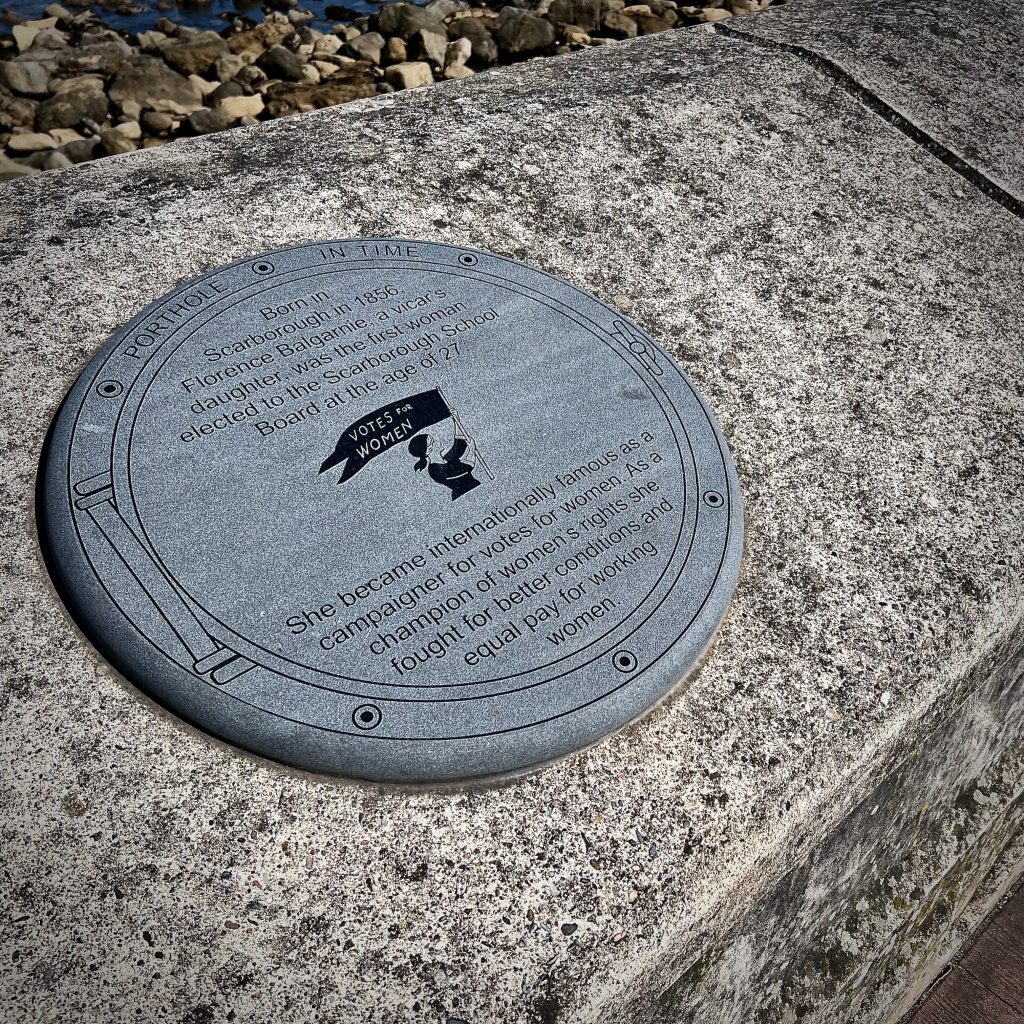
Florence Balgarnie
Florence Balgarnie, born in Scarborough in 1848, was a prominent English suffragist and social reformer whose legacy remains an important part of the town’s history. Known for her passionate advocacy for women’s rights, temperance, and social justice, Balgarnie became a leading voice in national campaigns while maintaining strong connections to her Scarborough roots. Visitors and researchers interested in Scarborough’s heritage will find her story deeply intertwined with the town’s cultural and political development during the late 19th and early 20th centuries. Today, Florence Balgarnie is remembered as one of Scarborough’s most influential historic figures, making her a valuable subject for those exploring the area’s past.
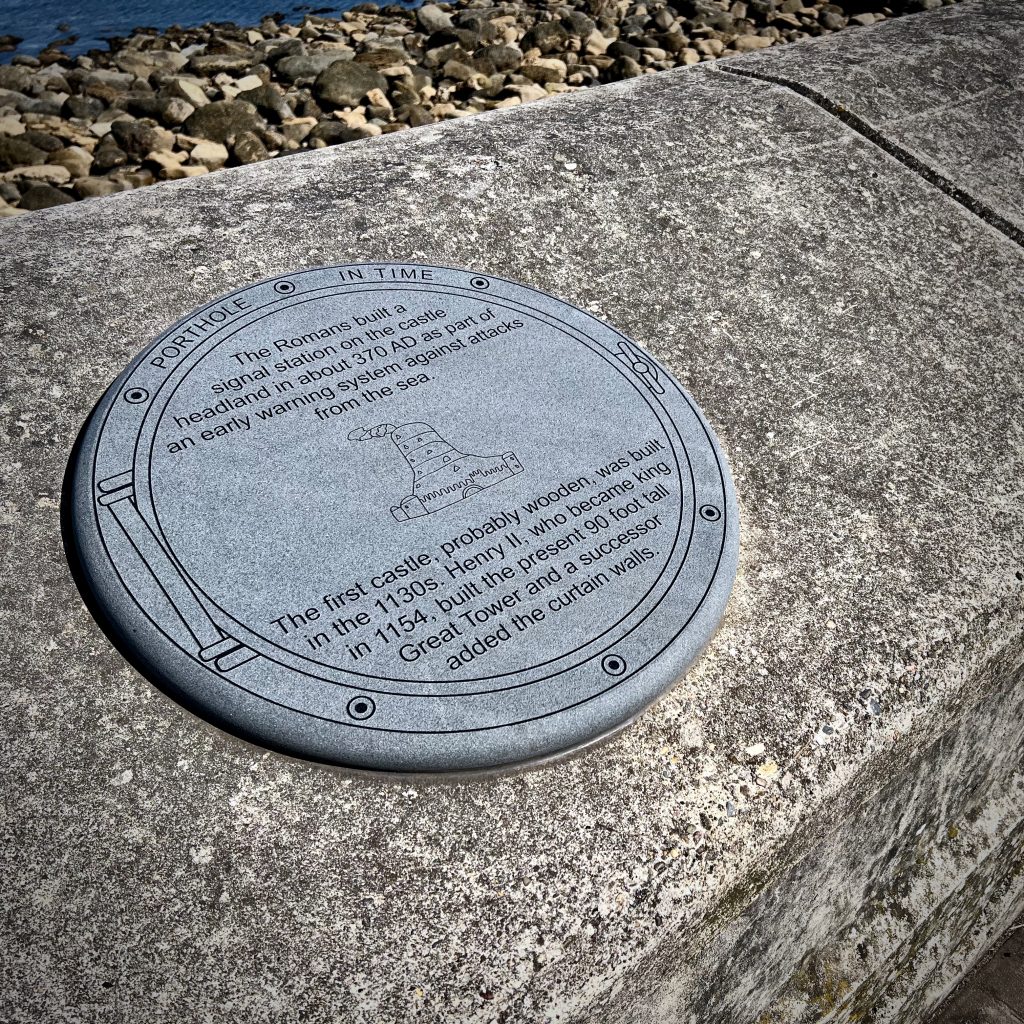
Roman Signal Station
The Roman Signal Station in Scarborough is one of the town’s most fascinating ancient landmarks, offering a glimpse into Britain’s defensive network during the late Roman period. Built in the 4th century, this coastal lookout formed part of a chain of signal stations designed to warn of Saxon raids along the Yorkshire coast. Today, visitors can explore the remains of the Scarborough signal station, set dramatically above the North Sea, and learn how Roman soldiers used fire and smoke signals to communicate urgent messages. As an important archaeological site, the Roman Signal Station is a must-see attraction for anyone interested in Scarborough’s early history and Roman Britain.
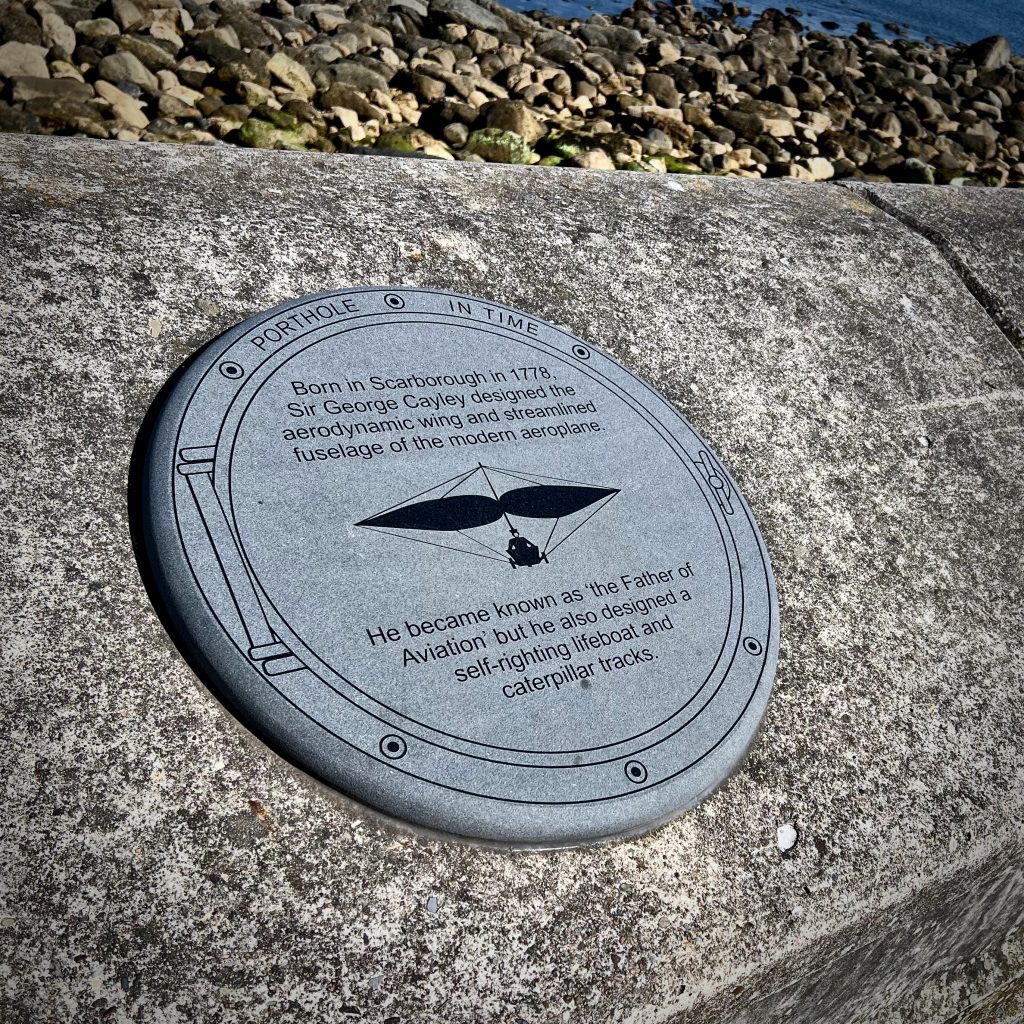
Sir George Cayley
Sir George Cayley, often called the “Father of Aviation,” was a pioneering English engineer and inventor whose groundbreaking work transformed the understanding of flight. Born in 1773 near Scarborough, Cayley designed the first successful glider and identified the key aerodynamic forces—lift, drag, thrust, and weight—that still define modern aviation. His innovative experiments on the Yorkshire landscape laid the foundations for future aircraft design, long before the Wright brothers took to the skies. Today, Sir George Cayley’s legacy is celebrated across Yorkshire, making him an essential figure for anyone exploring the region’s rich scientific and engineering heritage.
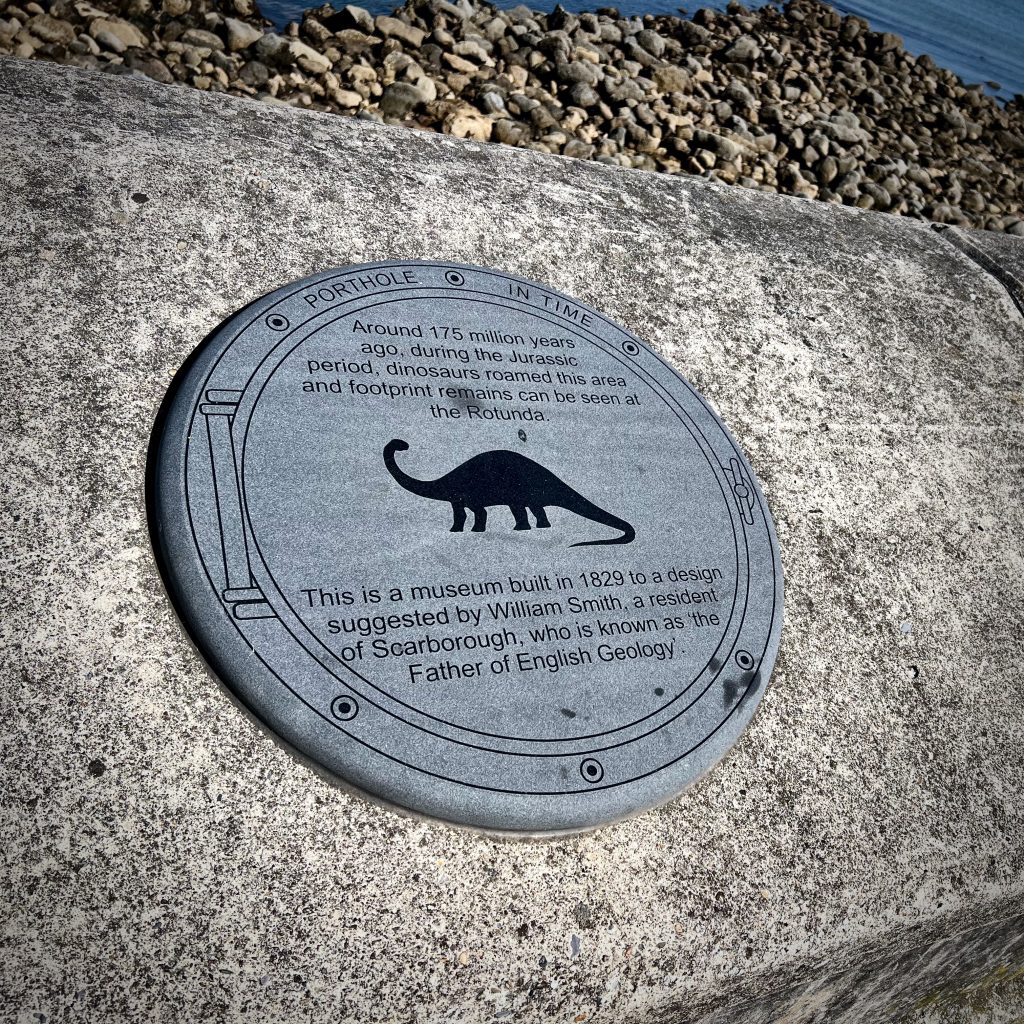
Rotunda Museum
The Rotunda Museum in Scarborough is one of the oldest purpose-built museums in the world, renowned for its exceptional geology and archaeology collections. Designed in 1829 under the guidance of pioneering geologist William Smith, the museum showcases the rich prehistoric heritage of the Yorkshire Coast, including fossils, dinosaur footprints, and Whitby jet. Its distinctive circular architecture and expertly curated displays make the Rotunda Museum a must-visit attraction for anyone interested in natural history. Whether you’re exploring Scarborough’s coastline or delving into the region’s ancient past, the Rotunda Museum offers an educational and engaging experience for visitors of all ages.
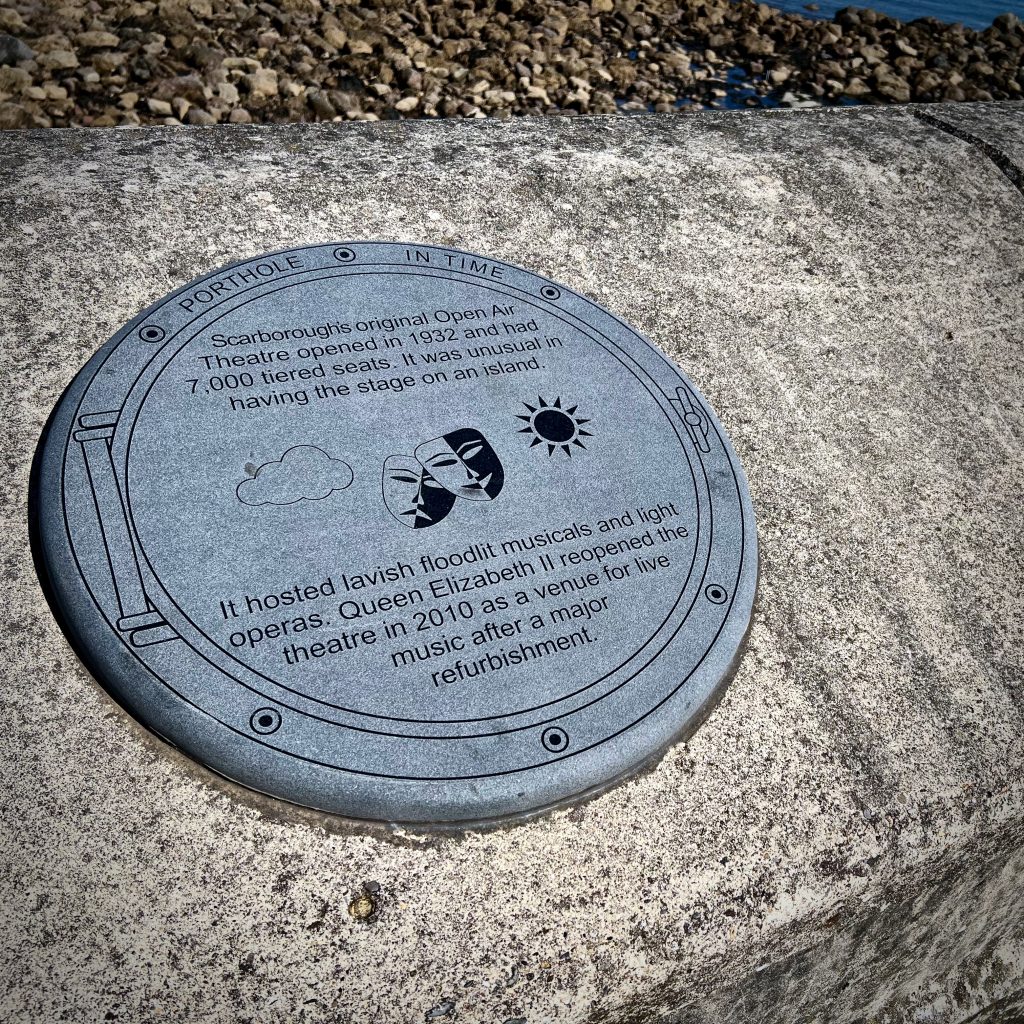
Open Air Theatre
Scarborough Open Air Theatre has a rich and unique history, first opening in 1932 as a grand lakeside venue designed to host large-scale productions, concerts, and pageants. Once considered the largest open-air theatre in Europe, it became famous for its spectacular water-based performances and dramatic natural setting. After decades of use and a period of closure, the theatre was fully restored and relaunched in 2010, transforming it into a premier modern entertainment venue while preserving its historic charm. Today, Scarborough Open Air Theatre attracts world-class artists and thousands of visitors each year, making its legacy an important part of the town’s cultural and tourism heritage.
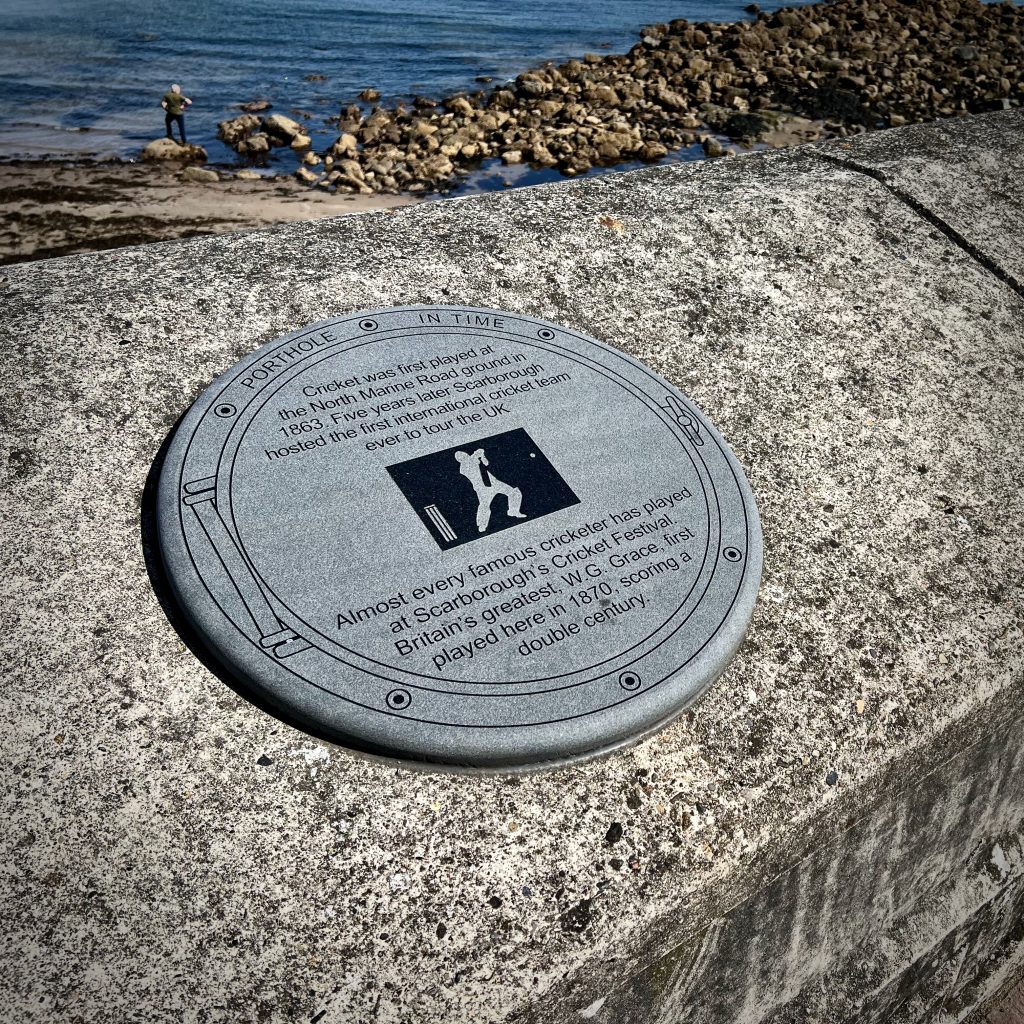
Scarborough Cricket
Scarborough has a proud and longstanding cricket heritage, with the town recognised as one of the most iconic venues in English county cricket. The Scarborough Cricket Festival, established in 1876, is one of the oldest and most celebrated cricket festivals in the world, attracting thousands of fans to North Marine Road each summer. Legendary players from Yorkshire and beyond have graced the ground, making it a cornerstone of the county’s sporting tradition. Known for its lively atmosphere, historic charm, and exceptional coastal setting, Scarborough’s cricket history remains an important draw for sports enthusiasts and visitors interested in Yorkshire’s rich cricketing culture.
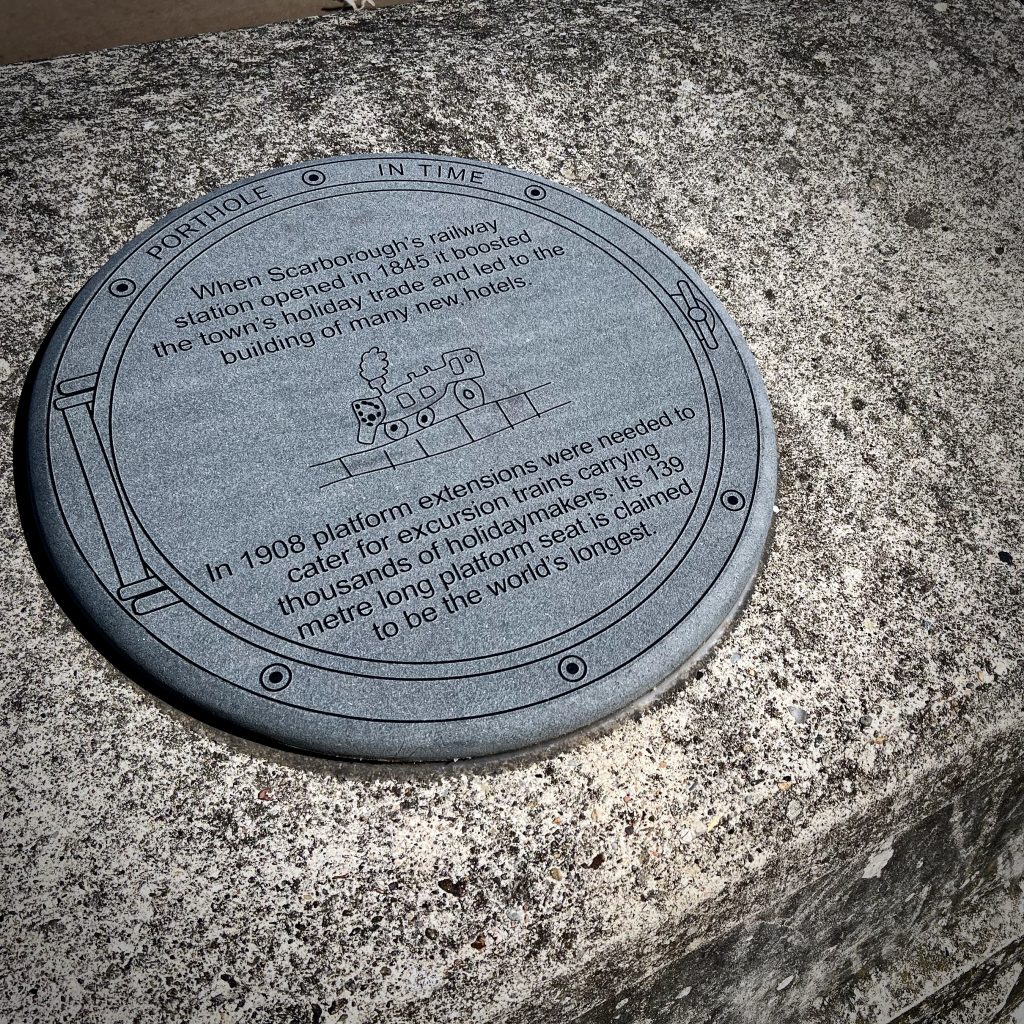
Scarborough’s Railway Station
Scarborough Railway Station, opened in 1845, is one of the oldest and most iconic stations on the Yorkshire coast, serving as a key gateway for visitors travelling to this popular seaside destination. Operated today by TransPennine Express and Northern, the station connects Scarborough with major cities including York, Leeds, Manchester, and Liverpool. Its impressive Victorian architecture, spacious concourse, and convenient town-centre location make it a landmark in its own right. Whether arriving for a holiday, a day trip, or commuting, Scarborough Railway Station remains an important part of the town’s history and modern transport network, providing reliable and scenic links across the region.
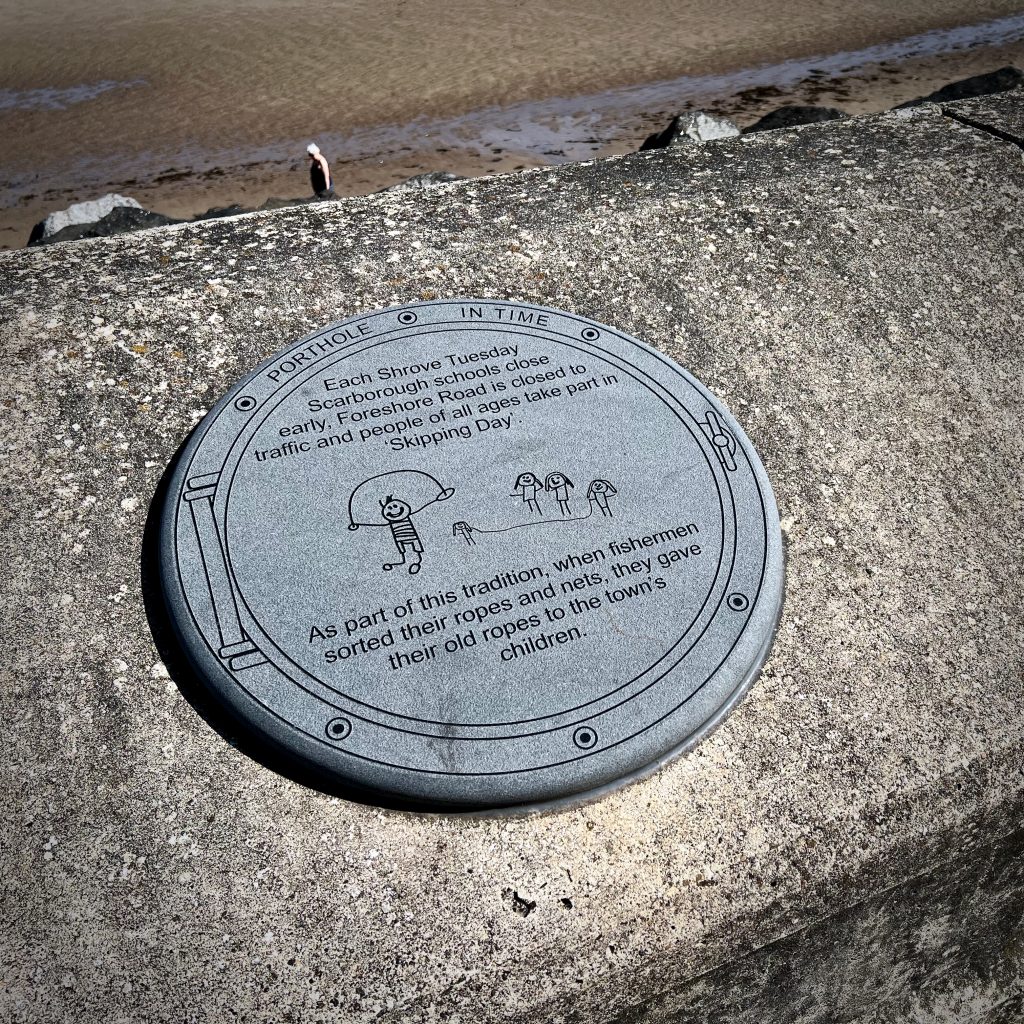
Shrove Tuesday
Scarborough has long been known for its unique Shrove Tuesday traditions, especially those once observed by local schools across the town. For generations, pupils were given a half-holiday on Shrove Tuesday, a custom dating back to the 18th century, allowing children to enjoy festive activities such as skipping on the seafront—a practice that remains a beloved Scarborough tradition today. Many schools participated in community celebrations, reinforcing the town’s strong cultural identity and connection to its historic customs. Though modern school schedules have changed, Scarborough’s Shrove Tuesday skipping celebrations continue to attract families, visitors, and former pupils, keeping this distinctive local heritage alive.
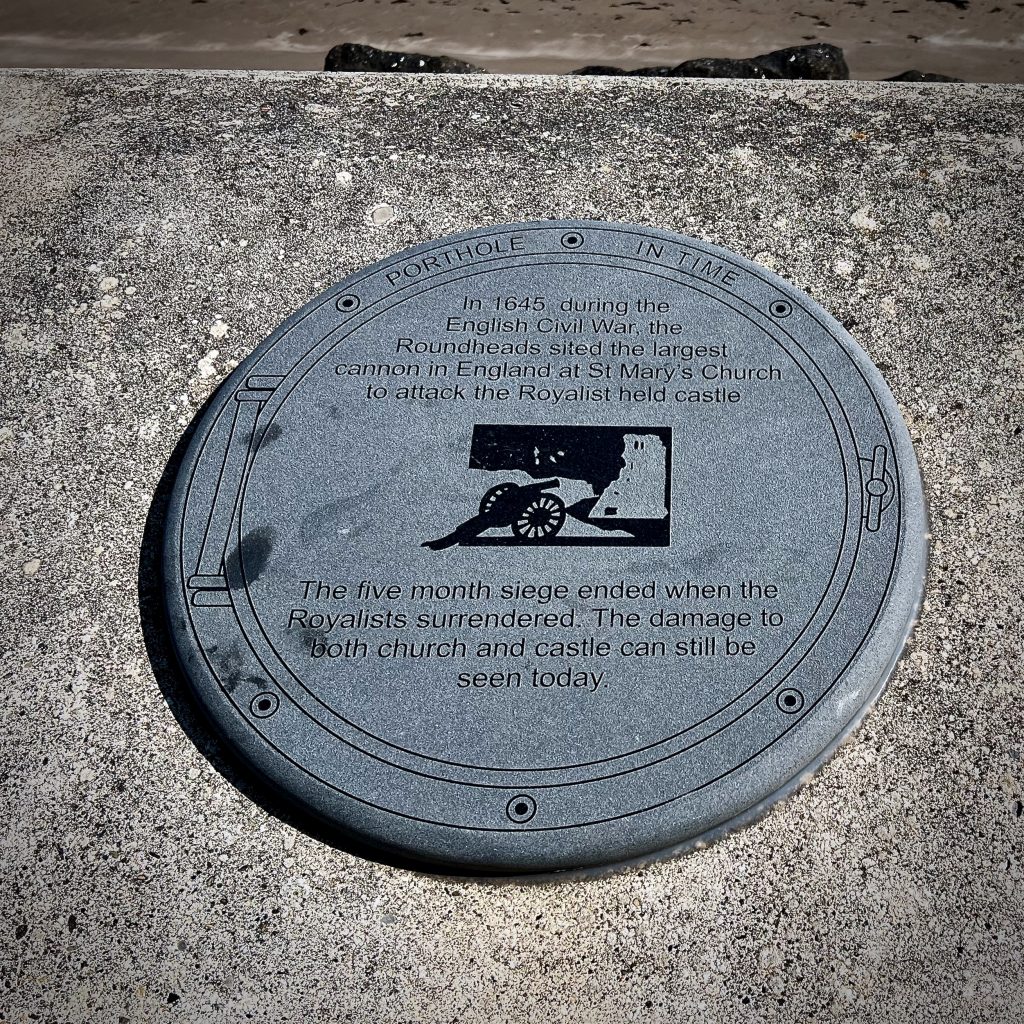
Civil War 1645
In 1645, Scarborough became a major battleground during the English Civil War when Parliamentary forces besieged Scarborough Castle, then held by Royalist commander Sir Hugh Cholmley. One of the most dramatic moments of the siege occurred when cannon fire from St Mary’s Church—used by Parliamentarian artillery—caused significant damage to both the church and the castle’s defenders. The bombardment badly damaged the church tower, parts of which still remain in ruins today as a reminder of the conflict. The siege of 1645 was one of the fiercest in the North, lasting more than five months, and its impact on St Mary’s and the surrounding town forms an important chapter in Scarborough’s Civil War history.
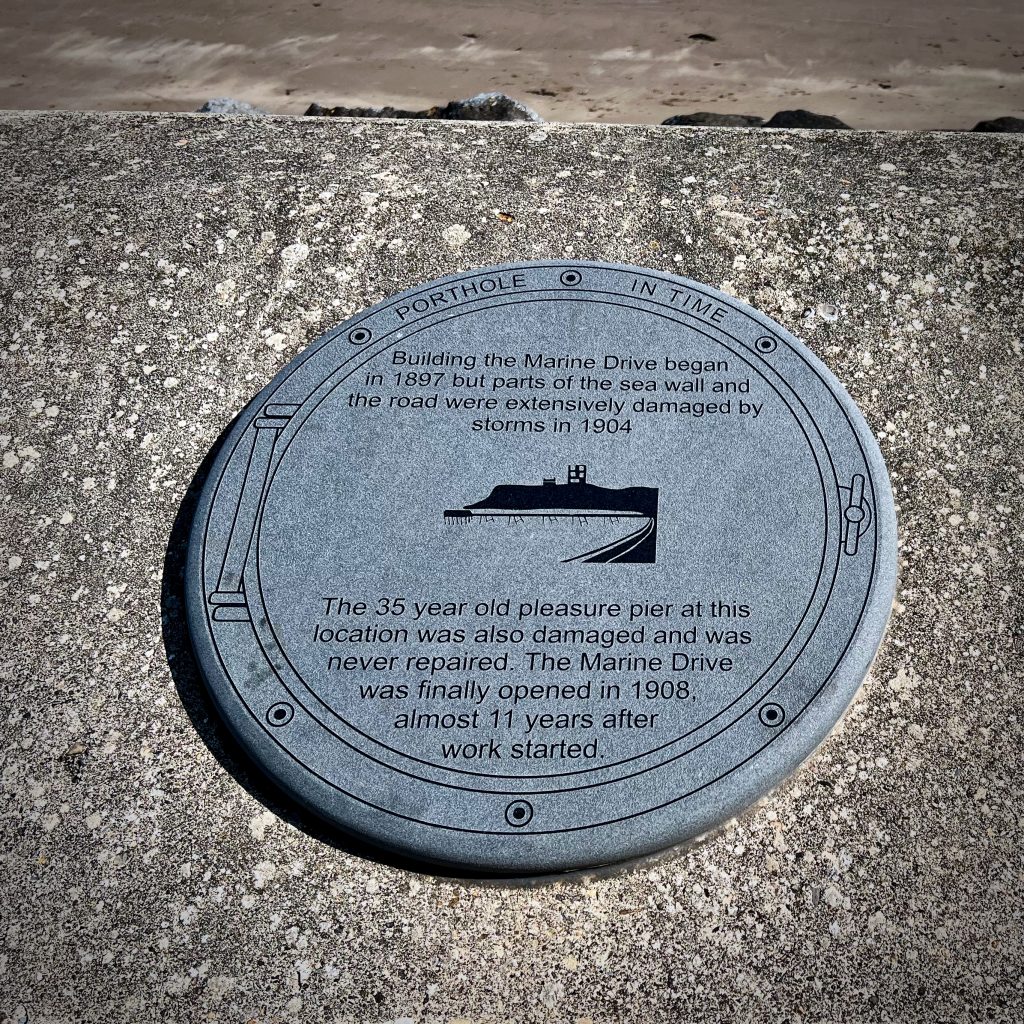
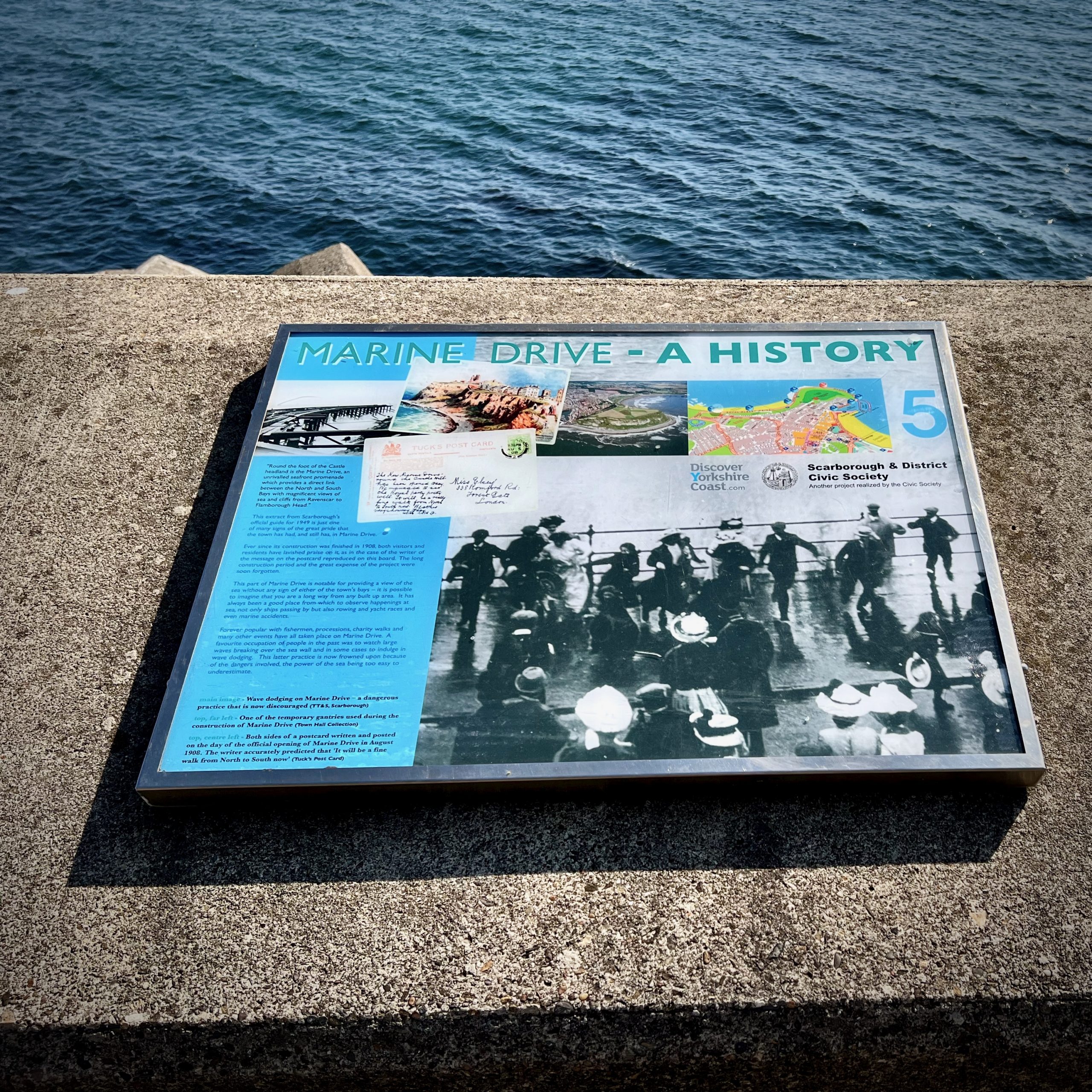
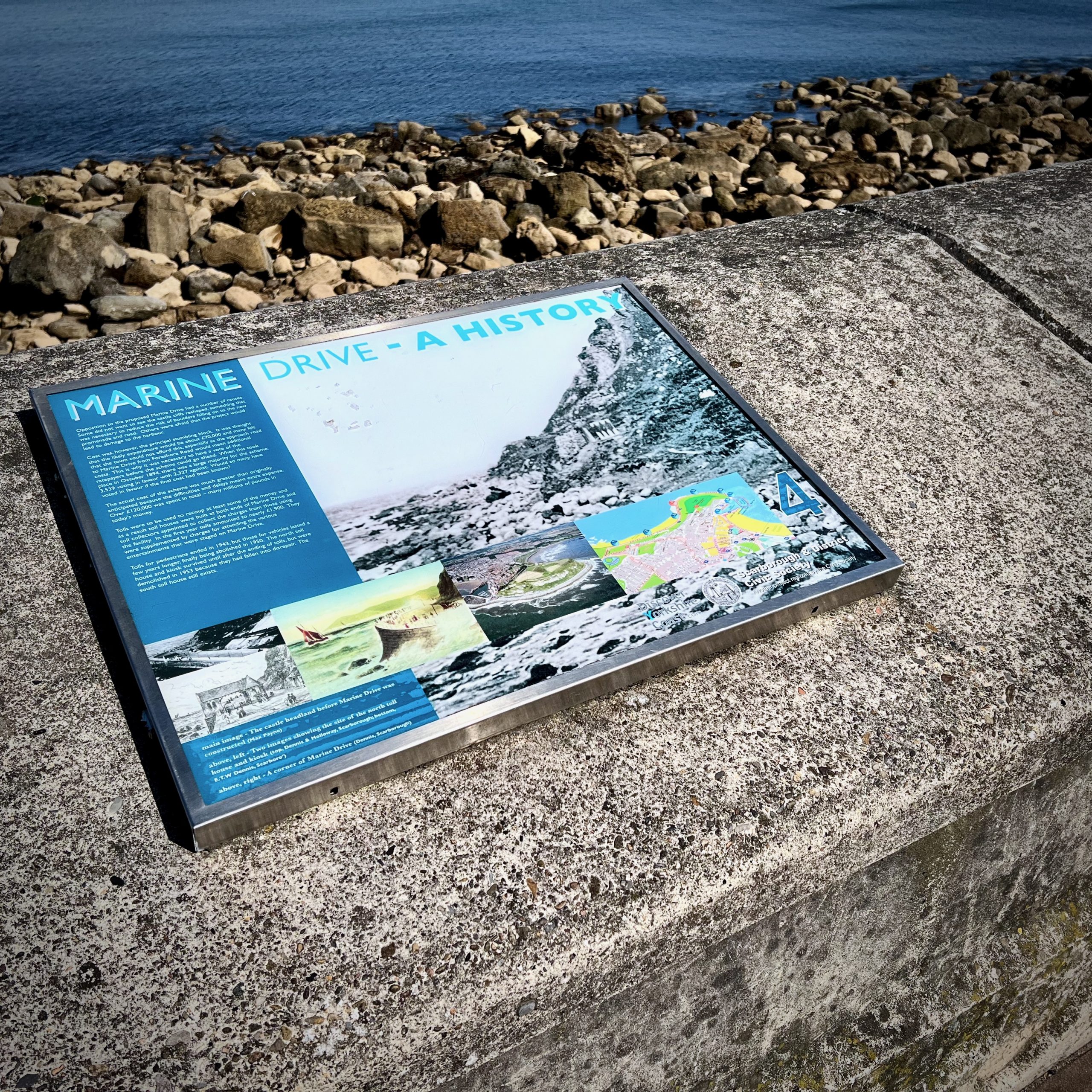
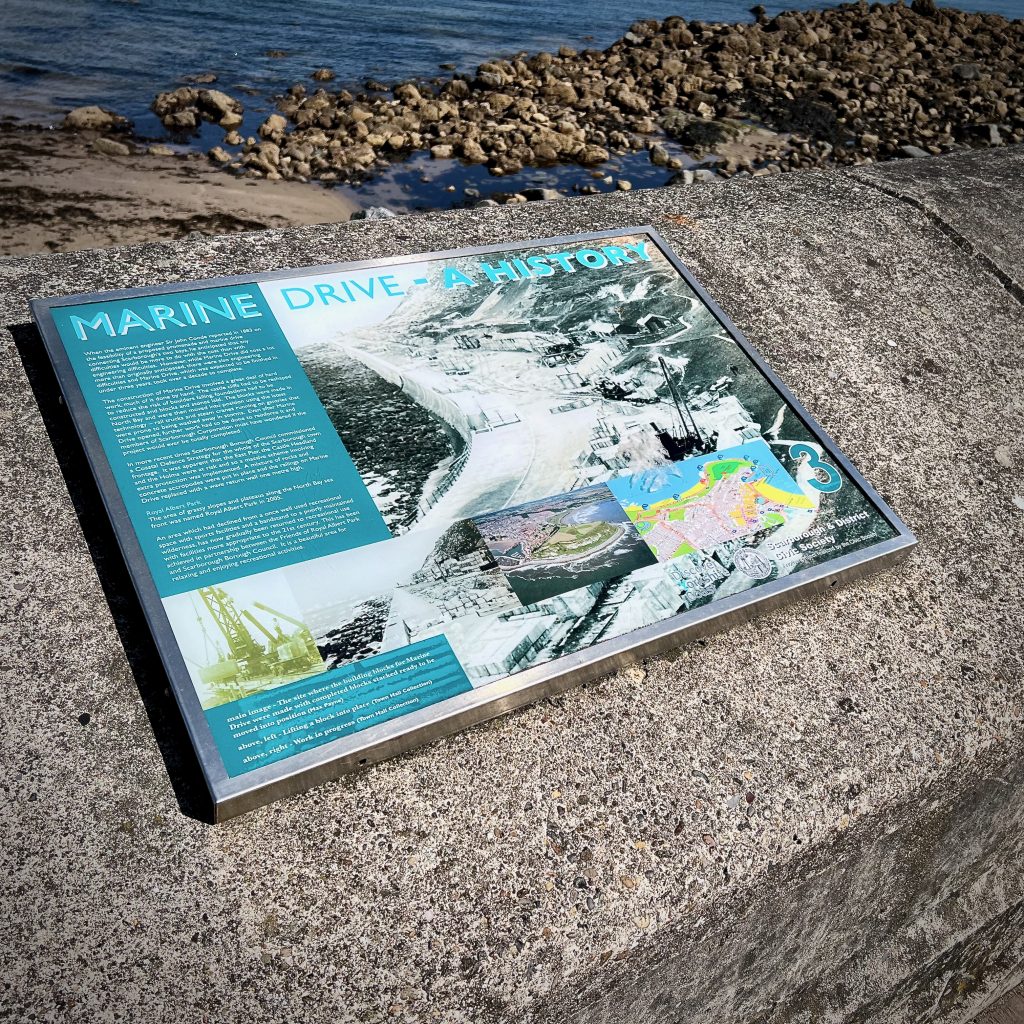
Marine Drive
Marine Drive in Scarborough is a landmark coastal road with a rich history, completed in 1908 to link the town’s North and South Bays around the base of the dramatic Castle Headland. This ambitious engineering project transformed Scarborough’s seafront, creating a scenic promenade that quickly became popular with Victorian and Edwardian visitors. Built using thousands of tons of stone to withstand the powerful North Sea waves, Marine Drive has long been admired for its striking views, access to wildlife, and connection to the town’s historic castle. Today, it remains one of Scarborough’s most iconic walkways, offering a blend of natural beauty, heritage, and seaside charm for tourists and locals alike.
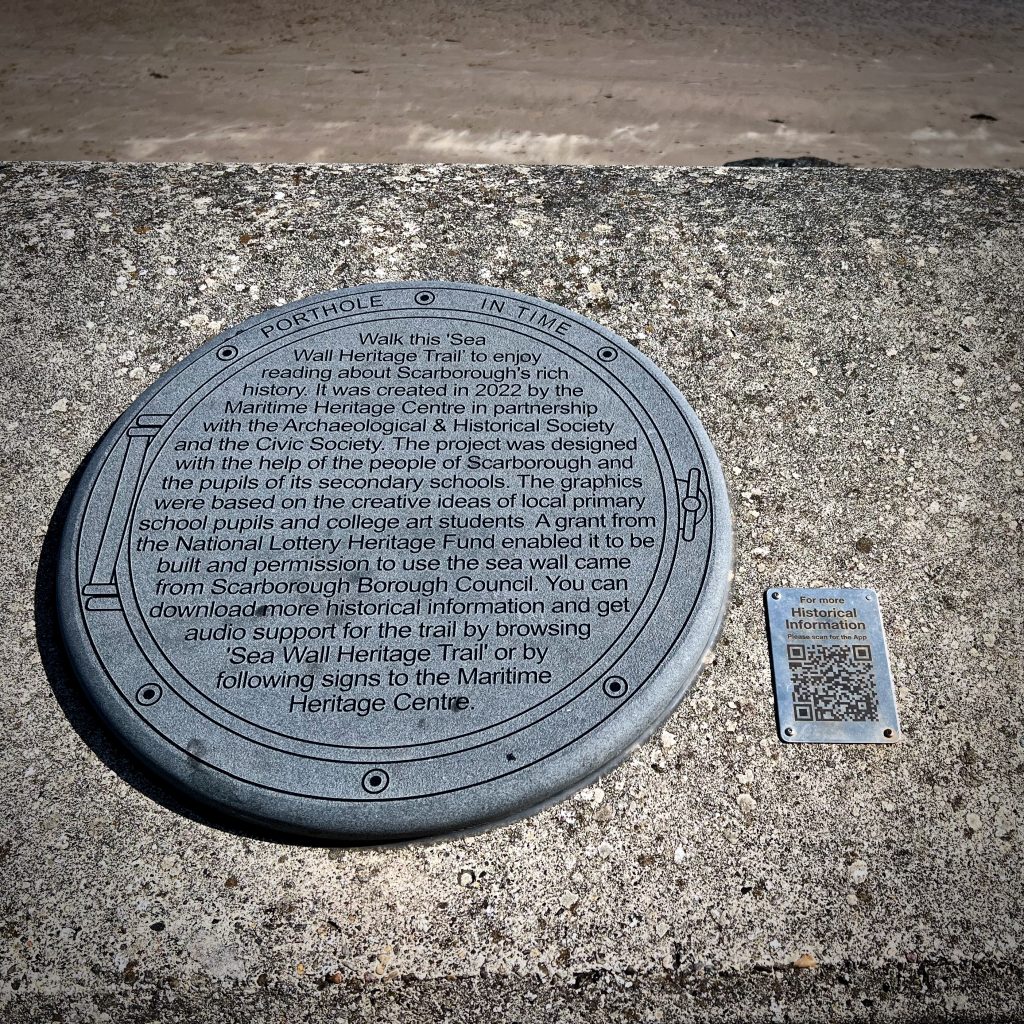
Maritime Heritage Centre
The Scarborough Maritime Heritage Centre is a fascinating destination celebrating the town’s long and storied connection with the sea. Housed in a historic lifeboat station on the South Bay, the centre showcases Scarborough’s fishing, shipbuilding, and seafaring history through engaging exhibits, photographs, and interactive displays. Visitors can explore the lives of local fishermen, the evolution of maritime technology, and the town’s role in coastal trade and rescue missions. As a key cultural attraction, the Scarborough Maritime Heritage Centre offers both residents and tourists an immersive experience, highlighting the town’s rich maritime past and continuing connection to the North Sea.
Useful Links
- Scarborough Maritime Heritage Centre — Sea Wall Heritage Trail (Portholes in Time)
- Visit North Yorkshire — Sea Wall Heritage Trail (overview & visitor info)
- Marine Drive — Sea Wall route & landmarks (Scarborough Gateway)
- The Scarborough News — article on the Sea Wall Heritage Trail
- Tripadvisor — Scarborough Sea Wall Heritage Trail (reviews & photos)
- National Rail — Scarborough station (travel & accessibility info)
- YouTube — “Portholes in Time” Sea Wall Heritage Trail video
- Scarborough Borough Council — visitor info, parking & local services