
Aperture Value on Your Camera
Understanding Aperture Value (Av) | Beginner’s Photography Guide
If you have your DSLR camera or equivalent close by, compare your camera’s Aperture Priority Mode with the advice on this page. Remember that terms for camera modes may slightly vary with each manufacturer.
Aperture Value Priority Mode
Understanding Aperture Value (Av) | Beginner’s Photography Guide
Aperture value, often written as f-stop (f/2.8, f/5.6, f/11, etc.), controls the size of the lens opening that allows light into the camera. A low f-number (wide aperture) like f/1.8 means the opening is large, letting in more light. This is useful in low-light conditions or when aiming for a shallow depth of field—where the subject is sharp but the background is beautifully blurred. Portrait photographers often use wide apertures to isolate their subject from the background.
On the other hand, a high f-number (narrow aperture) like f/16 or f/22 makes the opening smaller, reducing the amount of light that enters but increasing the depth of field. This means more of the scene, from foreground to background, will be in sharp focus—perfect for landscapes or architecture. The trade-off is that less light reaches the sensor, so slower shutter speeds or higher ISO settings may be needed. Understanding aperture value is essential because it not only influences exposure but also adds a powerful creative tool to shape the look and feel of your photos.

Portrait Photography
Use a wide aperture (e.g., f/1.8 or f/2.8) to achieve a shallow depth of field, making your subject stand out against a beautifully blurred background.
01
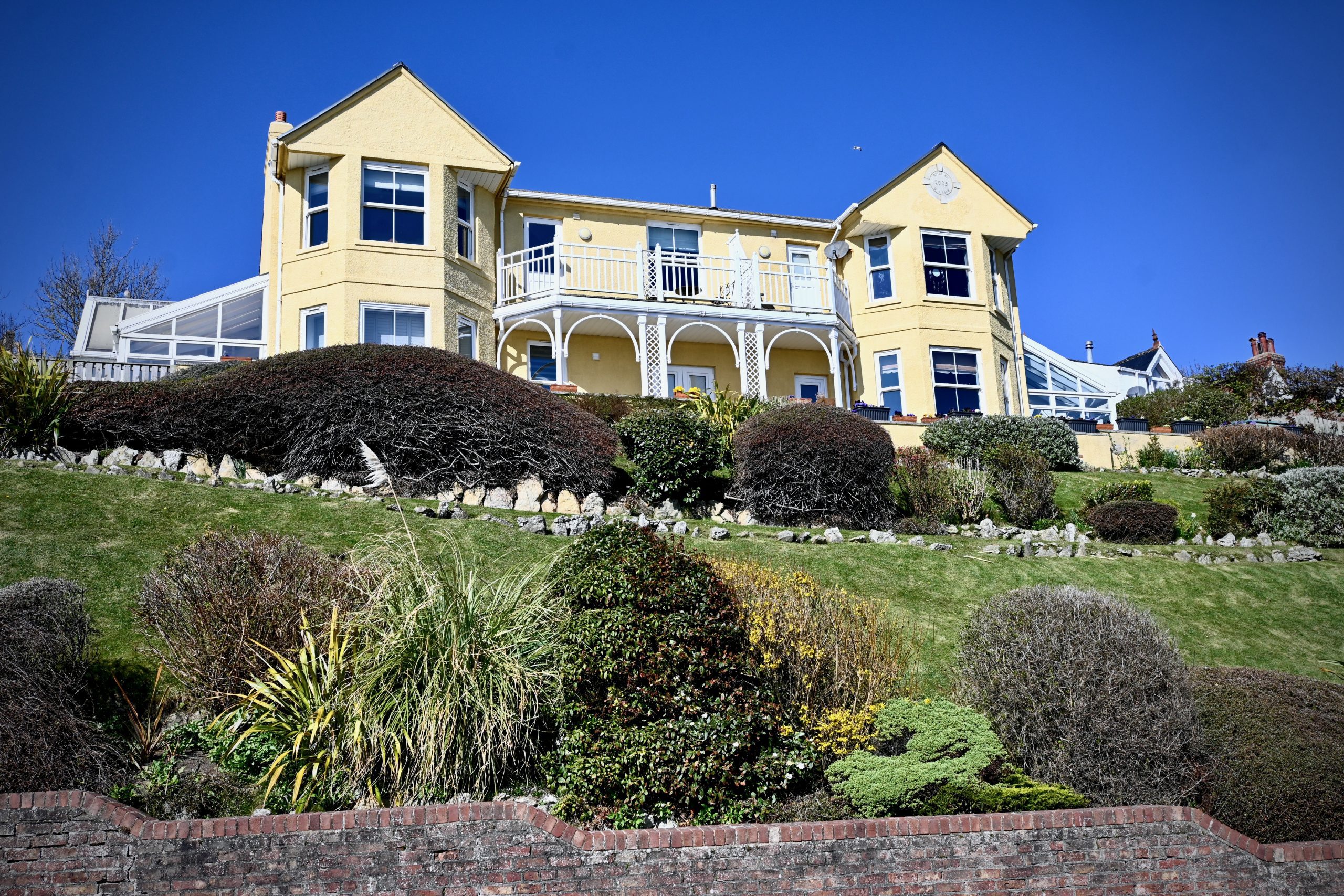
Landscape Photography
Opt for a narrow aperture (e.g., f/11 or f/16) to ensure both the foreground and background are in sharp focus, capturing the entire scene with clarity
02

Low Light Conditions
A larger aperture (e.g., f/2.0) allows more light to enter the lens, making it easier to shoot in dimly lit environments without increasing the ISO too much and risking noise.
03
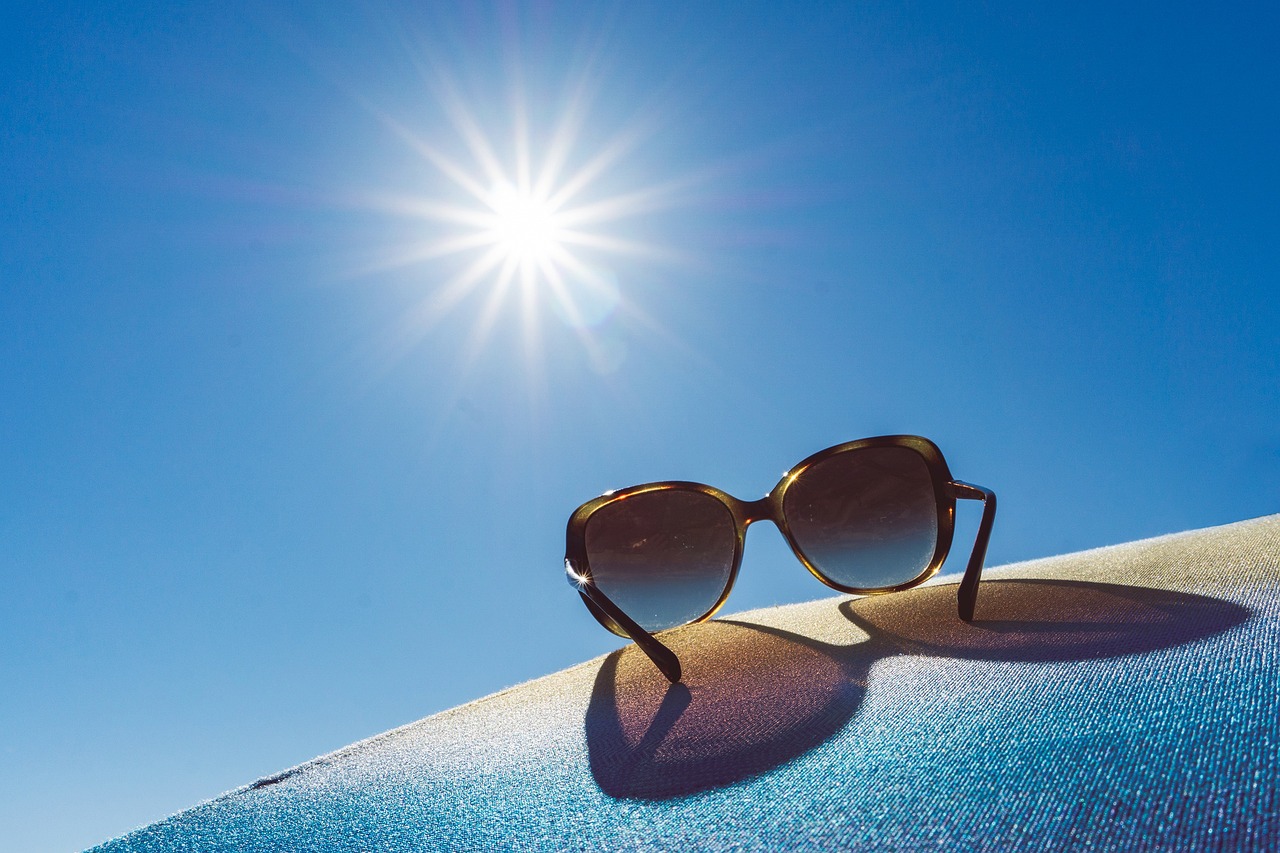
Creative Effects
Experiment with different aperture values to achieve unique artistic effects, such as starbursts around light sources with a small aperture (e.g., f/22) or selective focus with a large aperture.
04
How Aperture Value Affects Your Photos
1. Exposure Control: Aperture directly influences the exposure of your photo. A larger aperture (small f-stop number) allows more light to enter, making your image brighter. Conversely, a smaller aperture (large f-stop number) reduces the light intake, resulting in a darker image.
2. Depth of Field: Depth of field refers to the area of the image that appears sharp. A wide aperture (e.g., f/2.8) creates a shallow depth of field, making the subject stand out against a blurred background. This is ideal for portrait photography. On the other hand, a narrow aperture (e.g., f/16) increases the depth of field, keeping more of the scene in focus, which is perfect for landscape photography.
3. Sharpness and Diffraction: Using extremely small apertures (e.g., f/22) can cause diffraction, where light bends around the edges of the aperture blades, potentially leading to a loss of sharpness. Understanding the optimal aperture range for your lens ensures maximum sharpness in your images.
07
Most cameras offer multiple modes to control aperture
1. Aperture Priority Mode (A or Av): This mode allows you to set the desired aperture value while the camera automatically adjusts the shutter speed to maintain proper exposure. It’s a preferred mode for photographers who want control over depth of field without worrying about exposure settings.
2. Manual Mode (M): In this mode, you have full control over both aperture and shutter speed. This provides maximum creative control but requires a good understanding of how aperture, shutter speed, and ISO interact.
08
Conclusion: Enhancing Your Photography Journey
Understanding Aperture Value (Av) | Beginner’s Photography Guide
Mastering the aperture value on your camera is essential for any photographer looking to elevate their craft. By understanding how aperture affects exposure, depth of field, and image sharpness, you can make informed decisions that enhance your photos. Practice with different settings, and soon, adjusting the aperture will become second nature, allowing you to capture stunning images in any situation.